 Nix McRetro
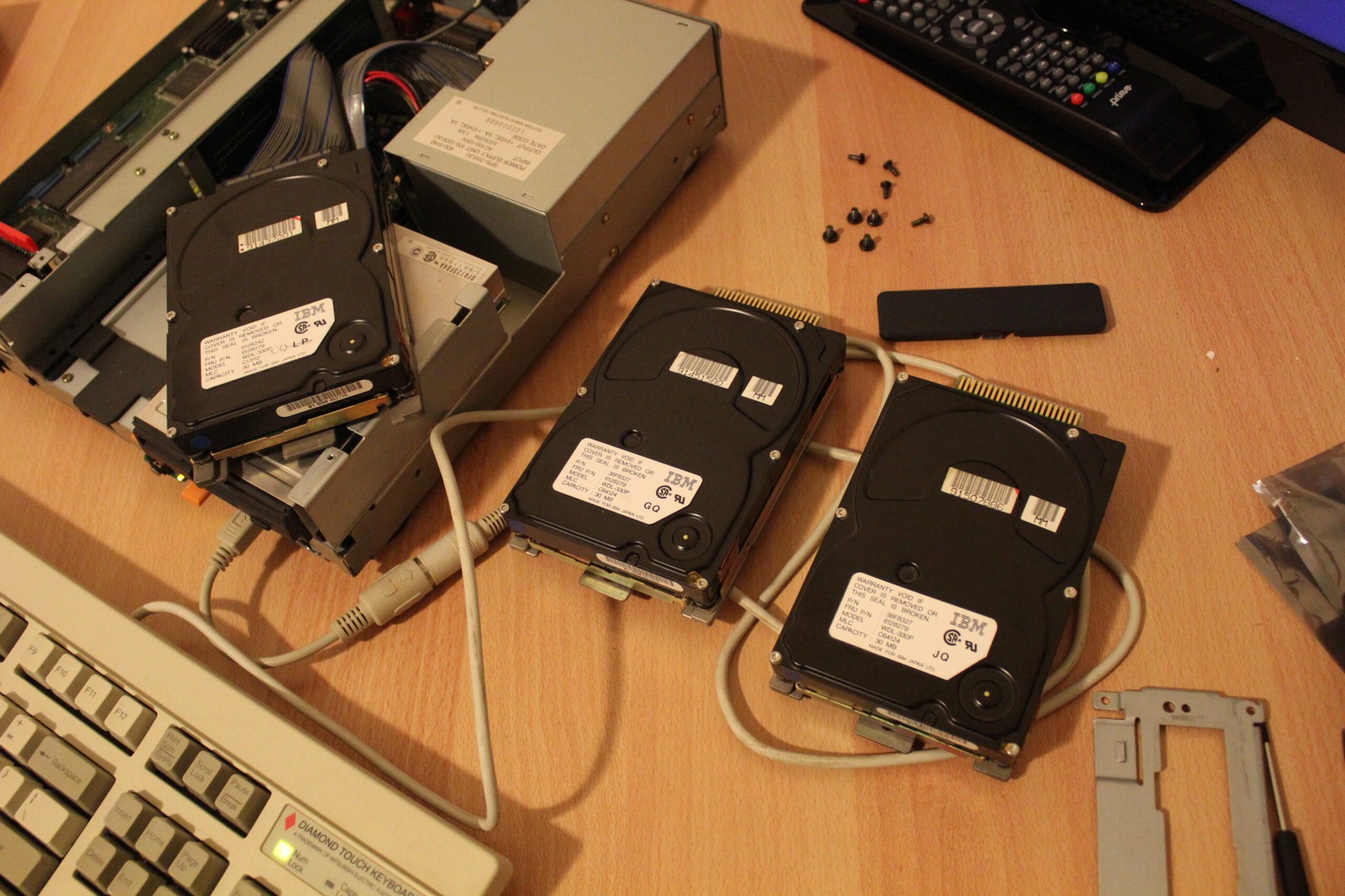
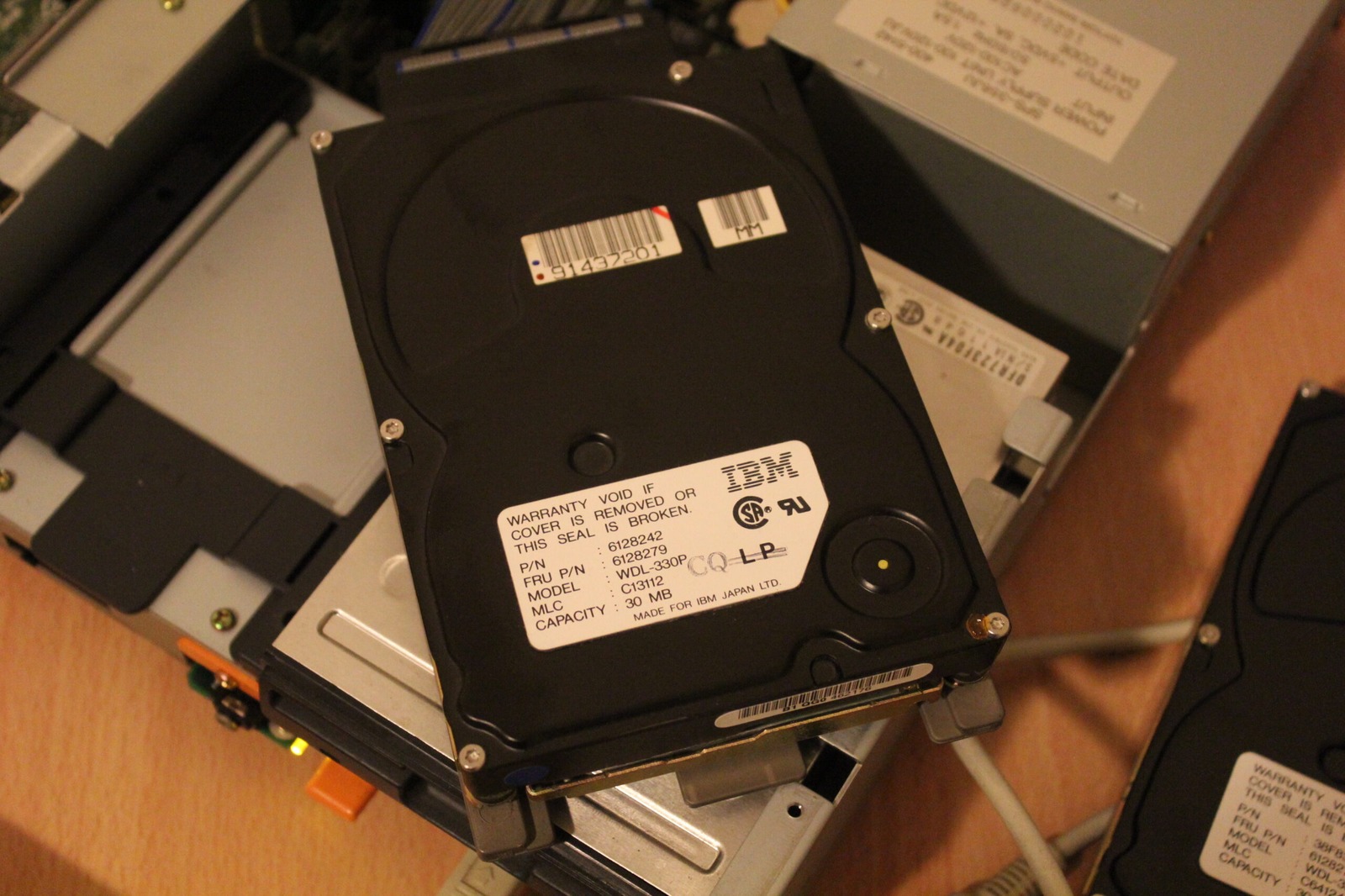
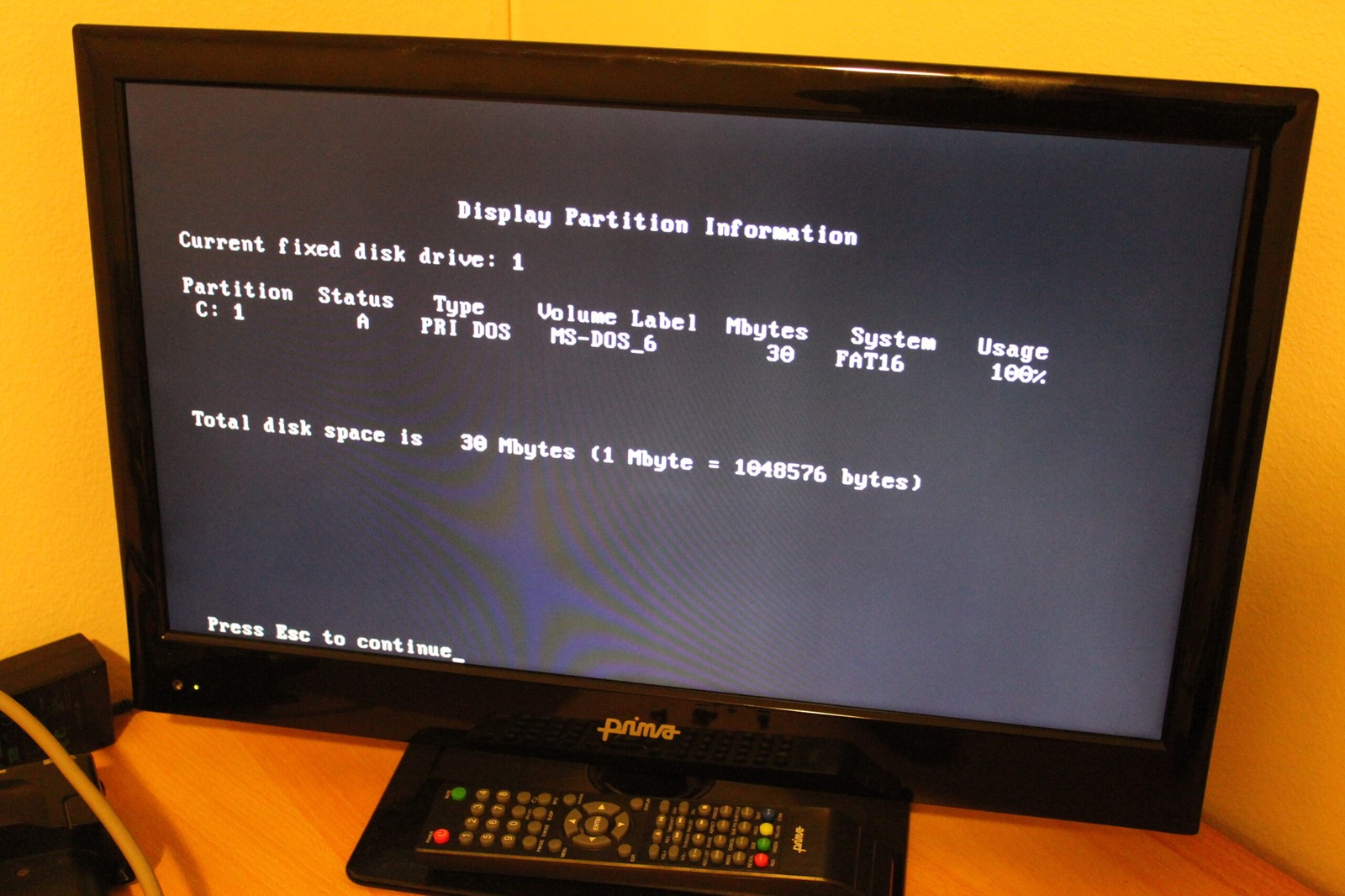
It worked and it worked! I can’t really complain about that. Picked up 3x IBM WDL-330P drives for the TeraDrive Model 3 of mine that didn’t have a hard drive and they all work well.
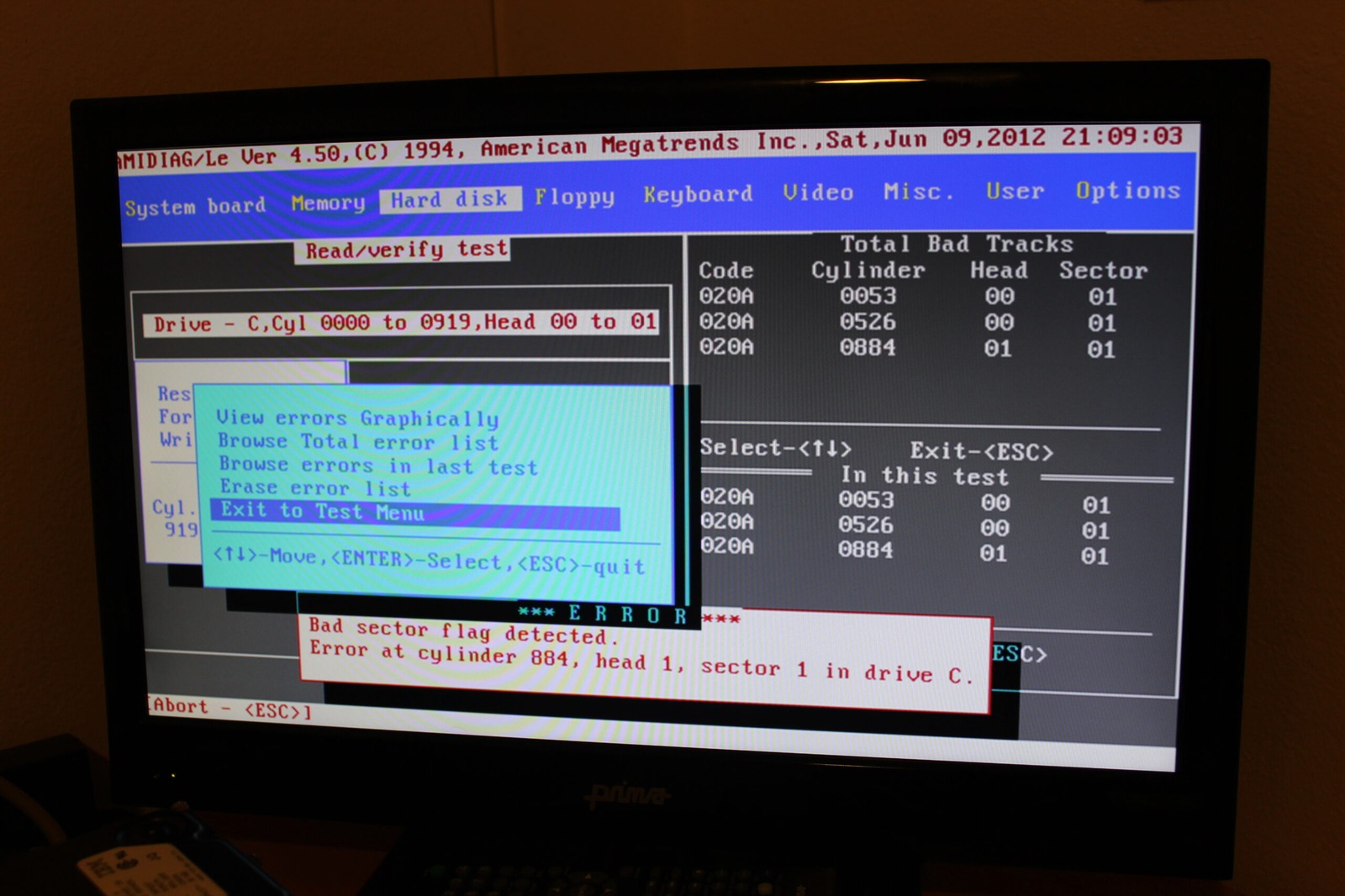
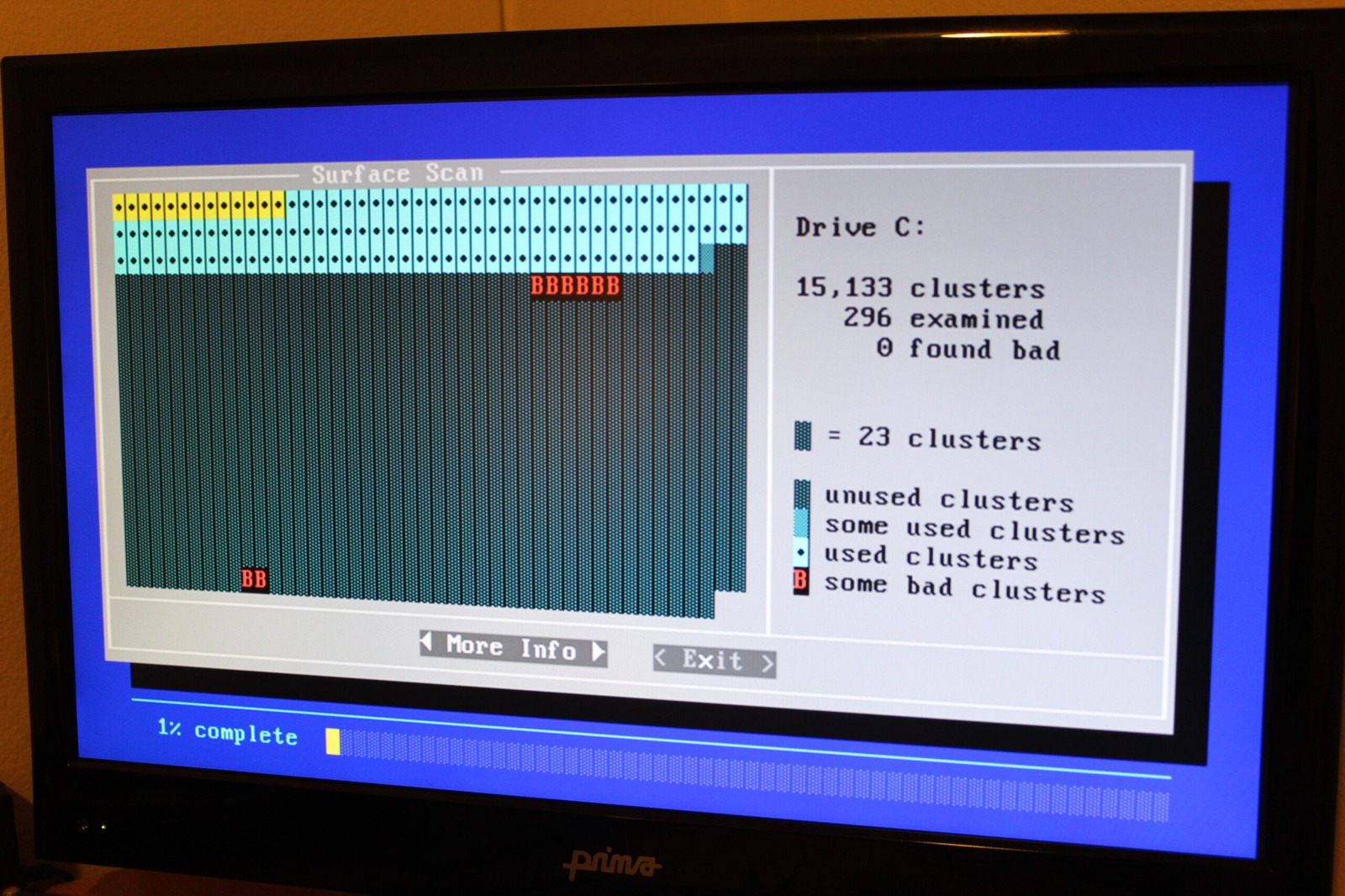
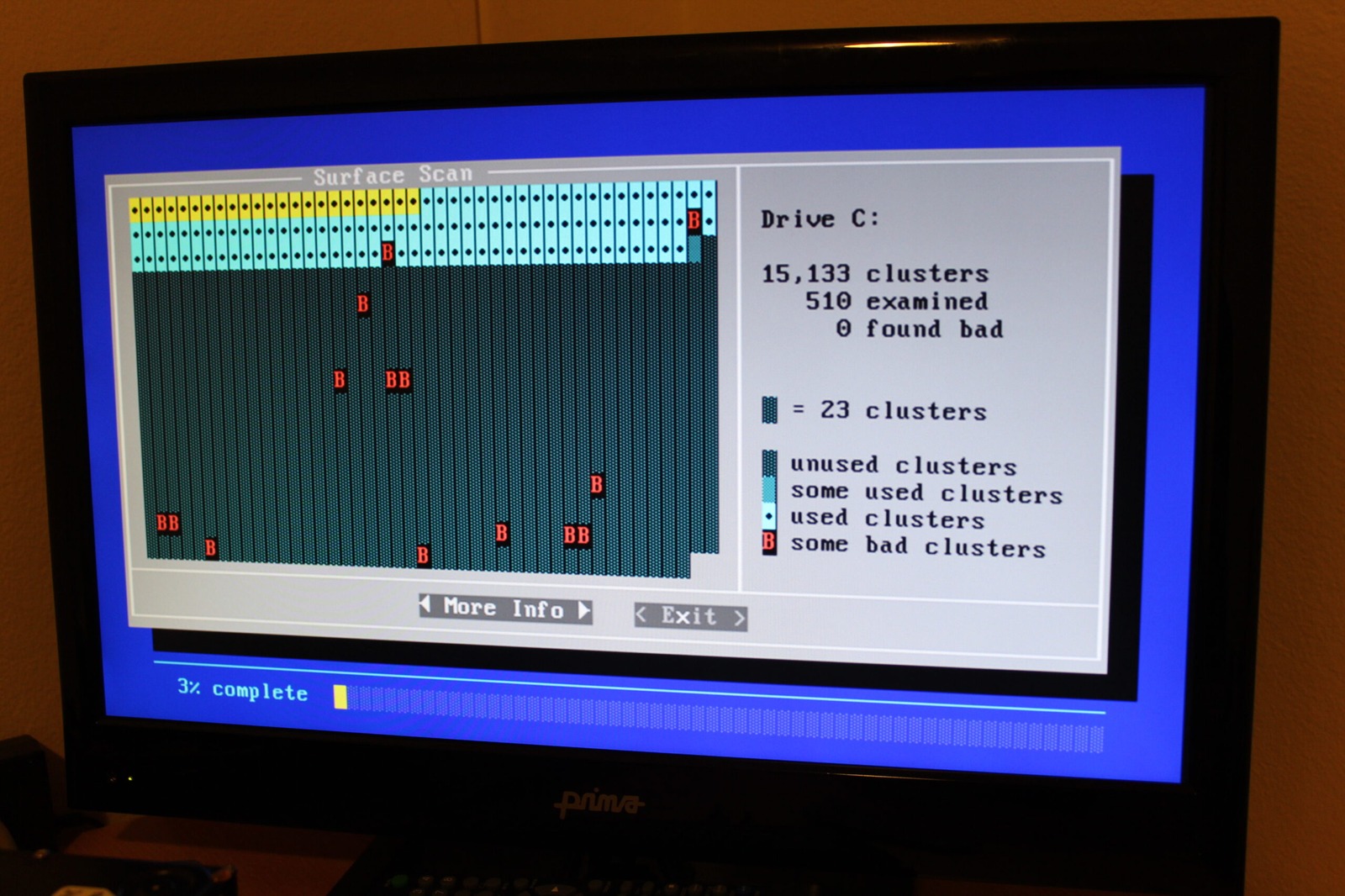
The drives had 3, 8 and 12 bad sectors between them. Not too bad for 20 year old drives. All three had very similar startup sounds, which was reassuring, although sound alone cannot establish the health of a hard drive. The surface scans were much more useful evidence. SpeedStor 6.5 was the best program I could track down to scan the drives for defects and partition / format them properly. I would have liked to have tried an earlier version of SpinRite, but I could not track down a copy.
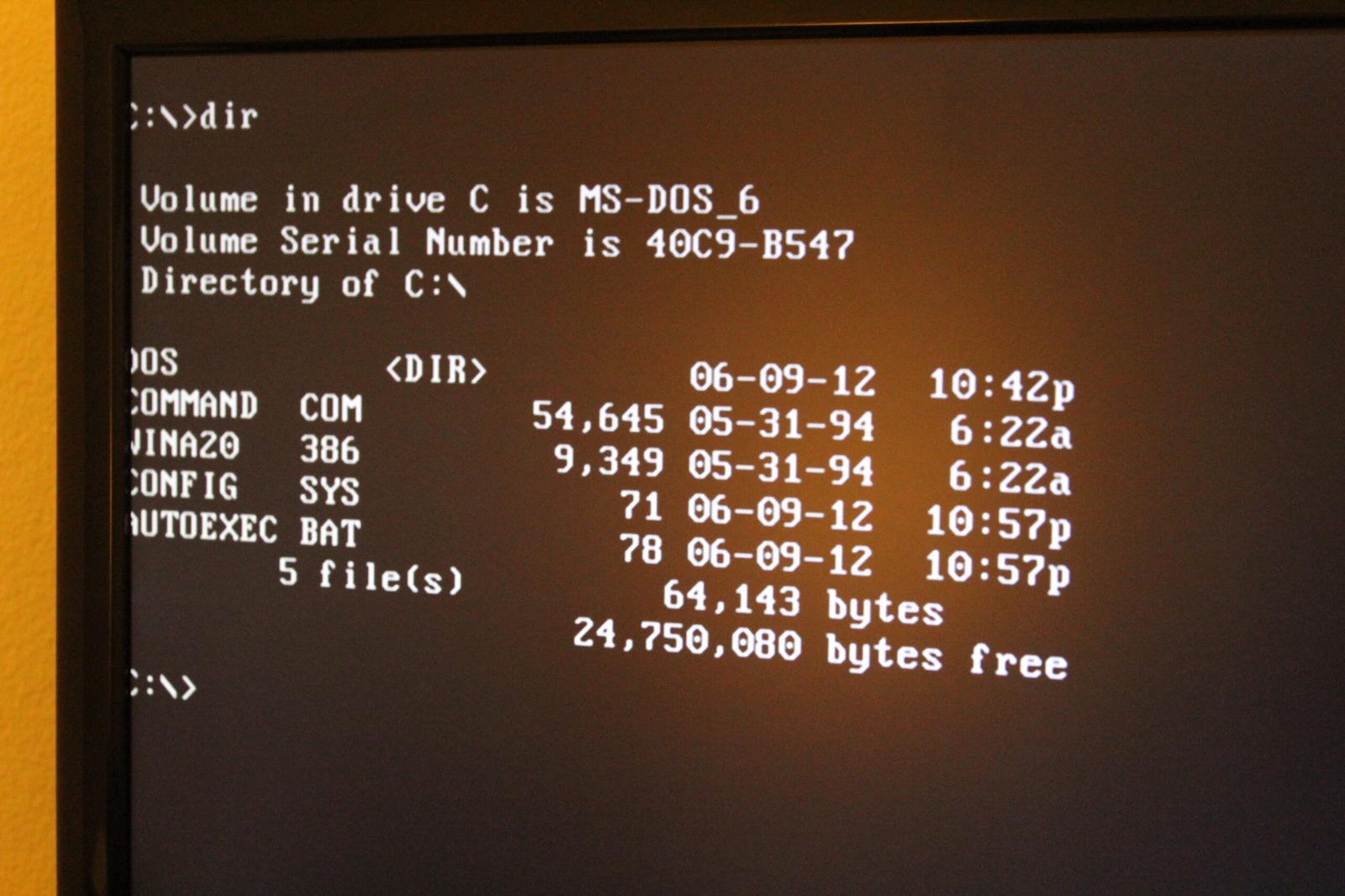
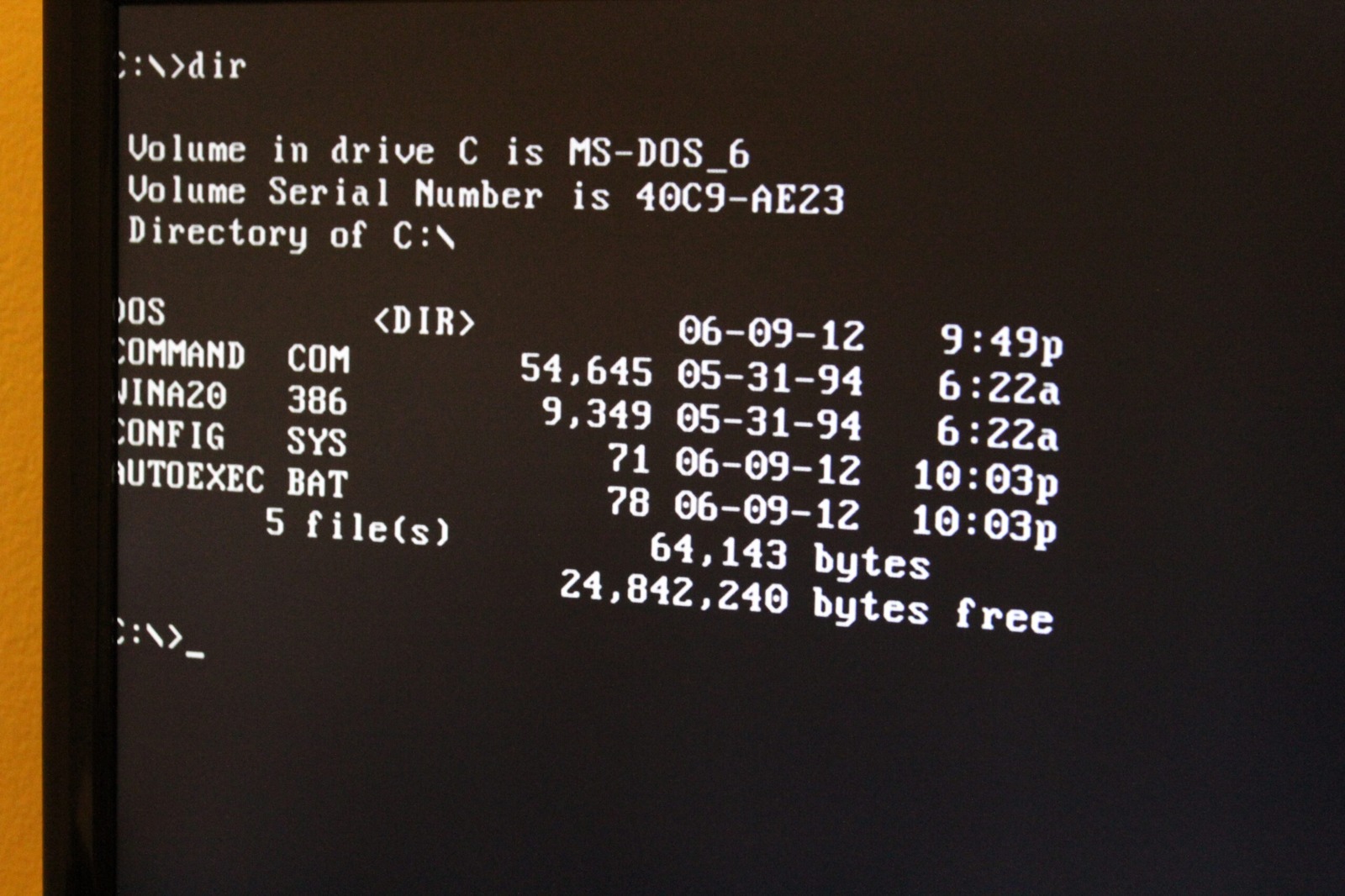
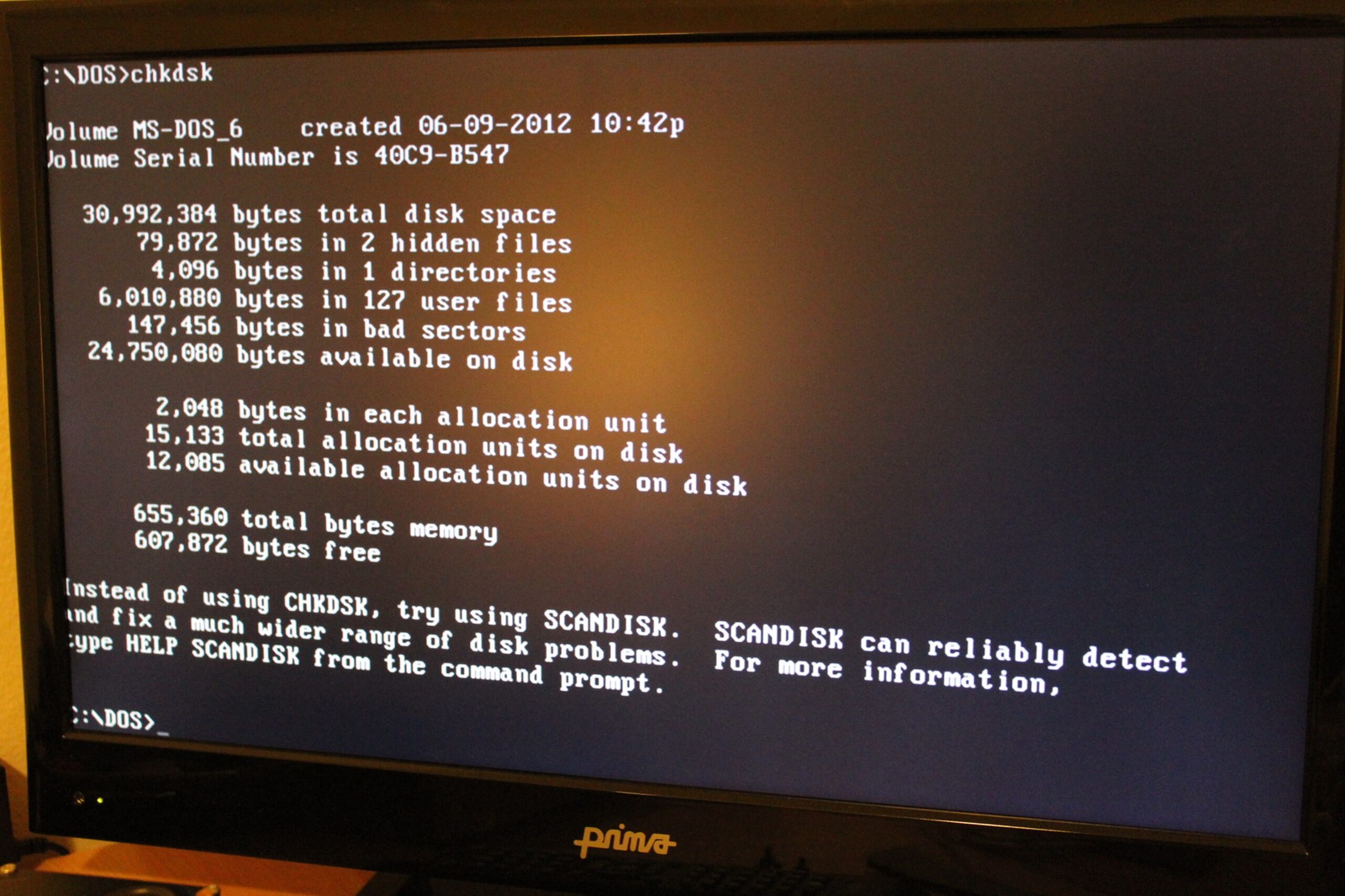
The drives report different amounts of free space. Bad sectors reduce usable space, but these readings alone do not establish how much of the difference comes from bad sectors rather than files or formatting.
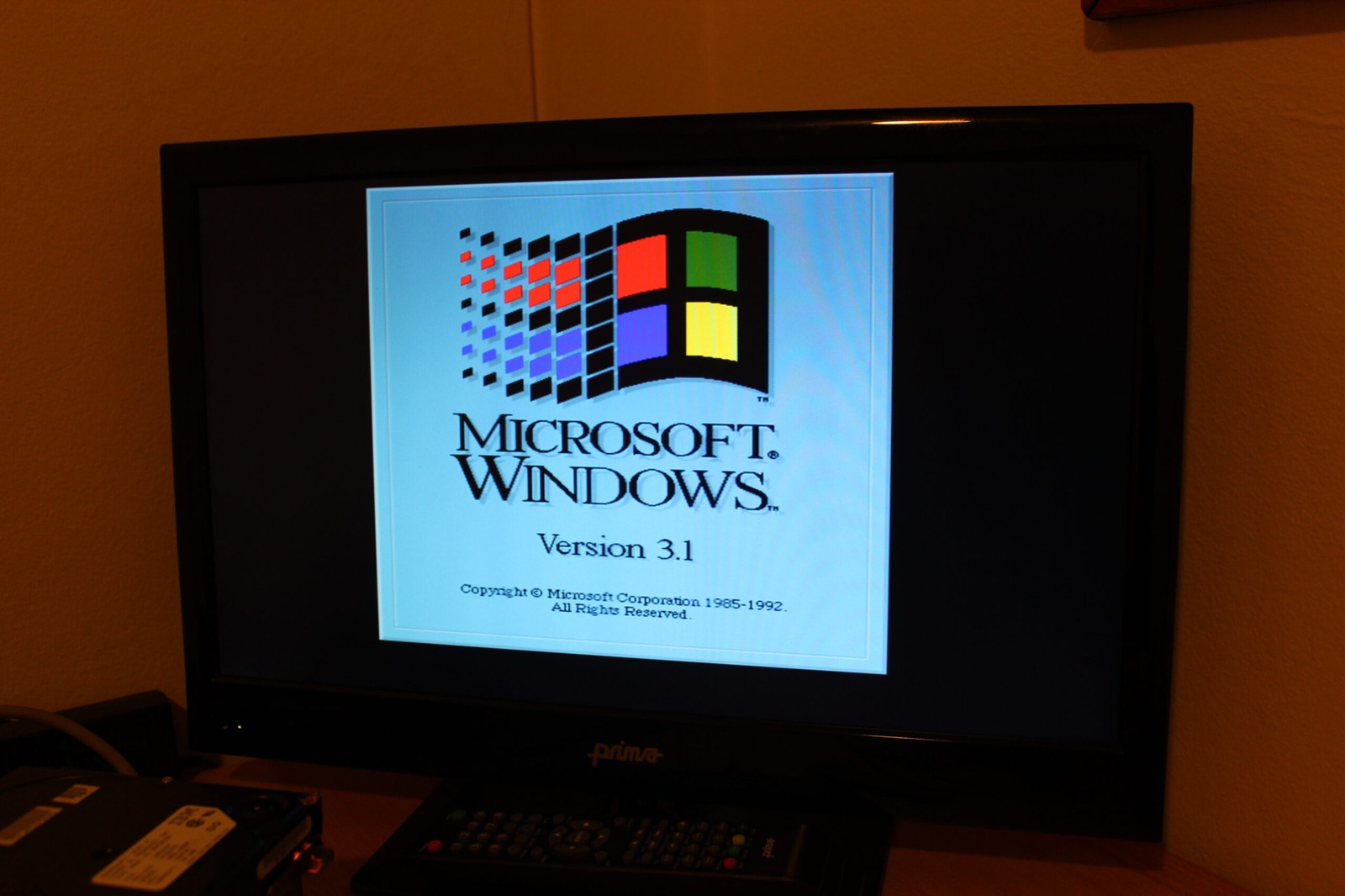
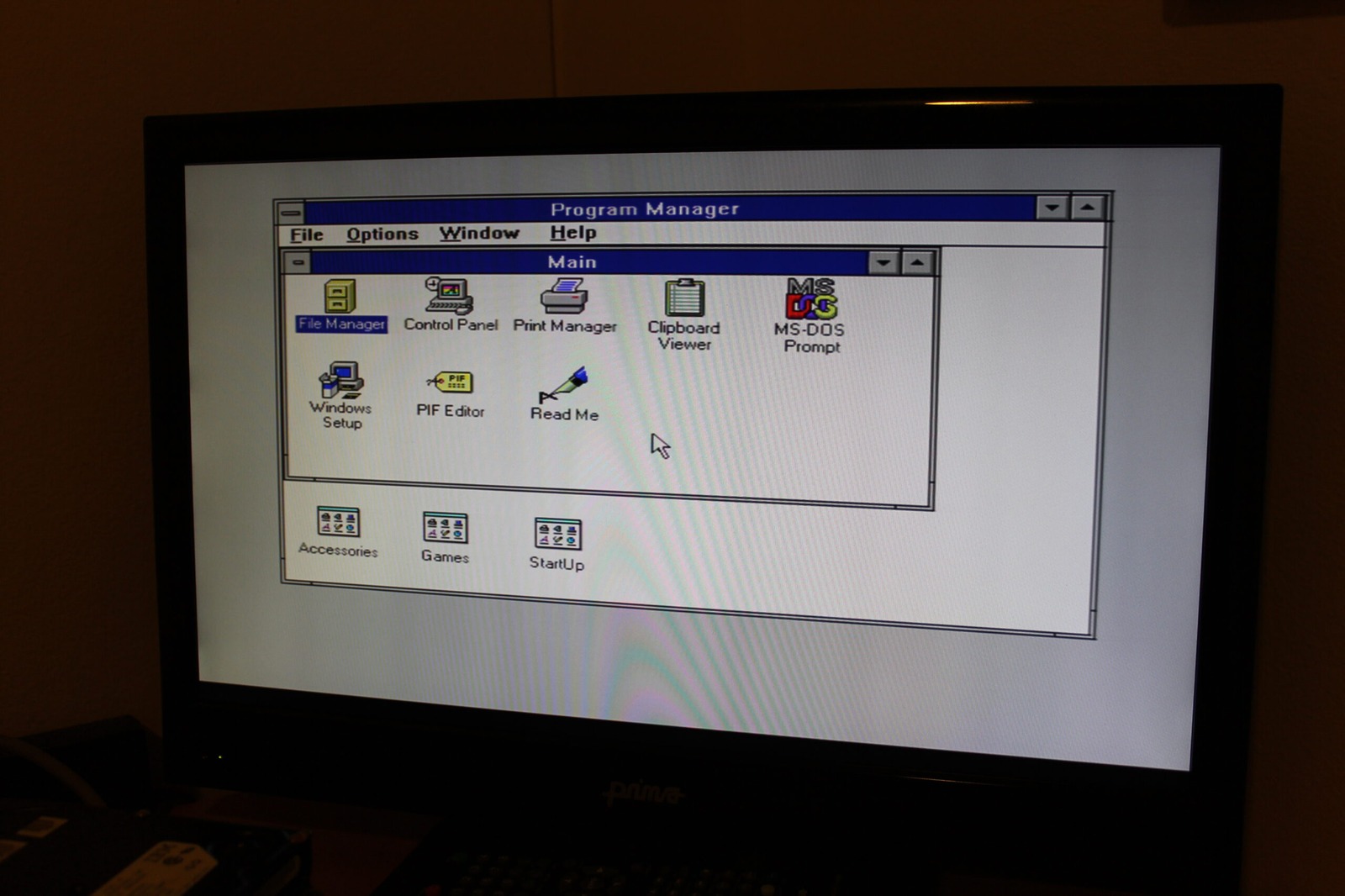
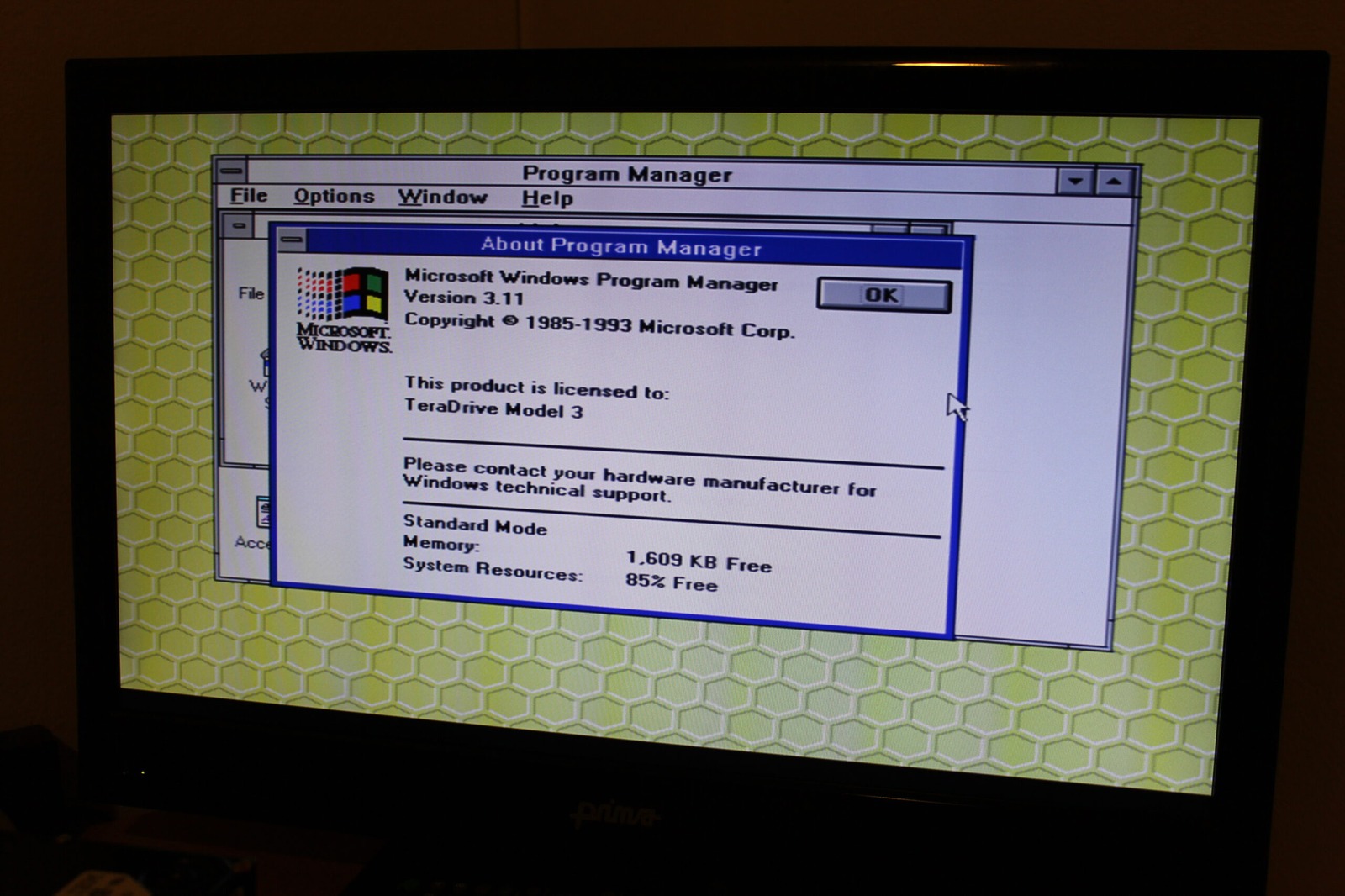
I’ve installed MS-DOS 6.22 on all three and Windows 3.11 on the drive that is staying inside the TeraDrive. I’ll need to add some games and other cool programs later on. Scorched Earth is definitely on that list.
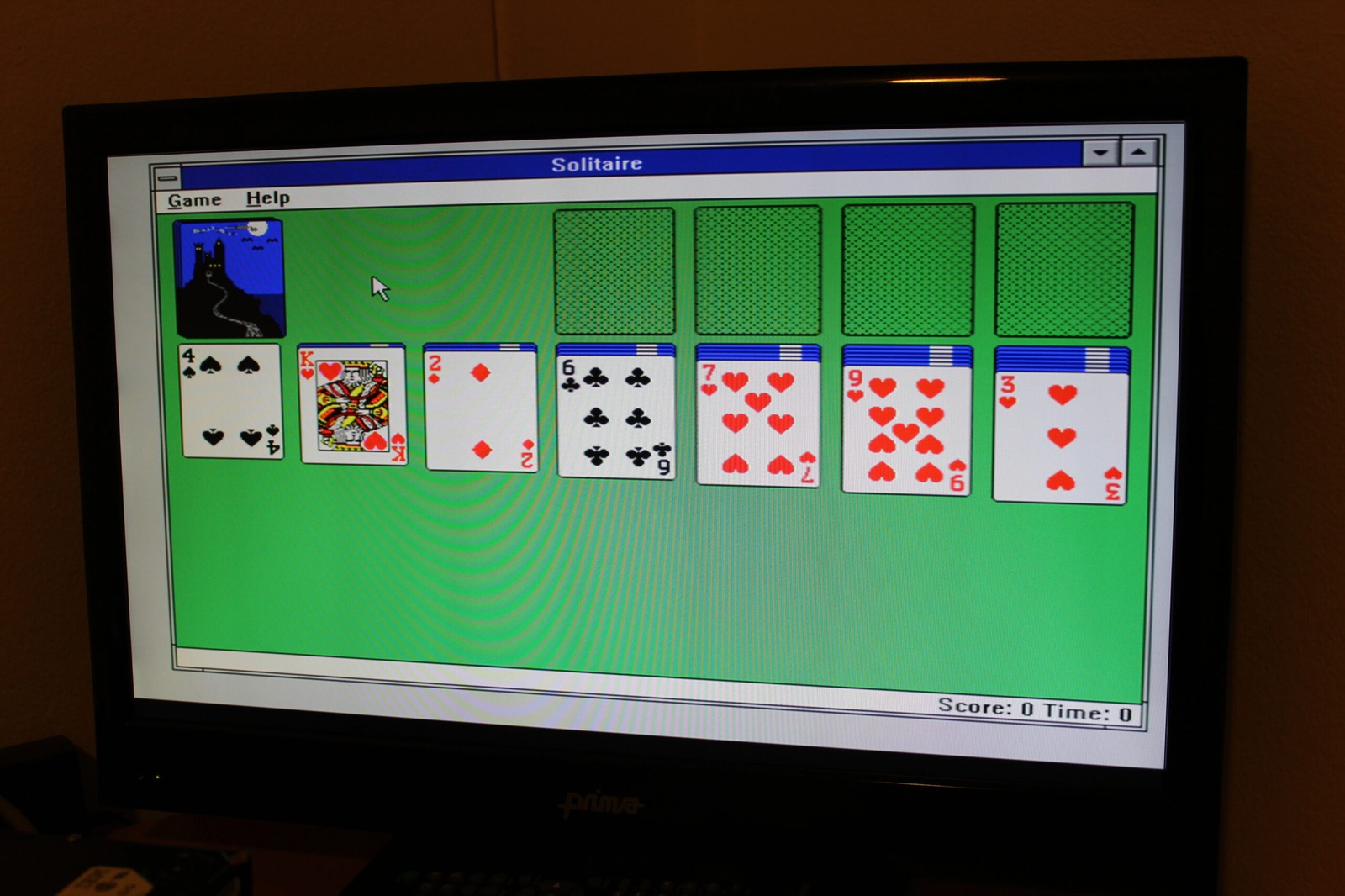
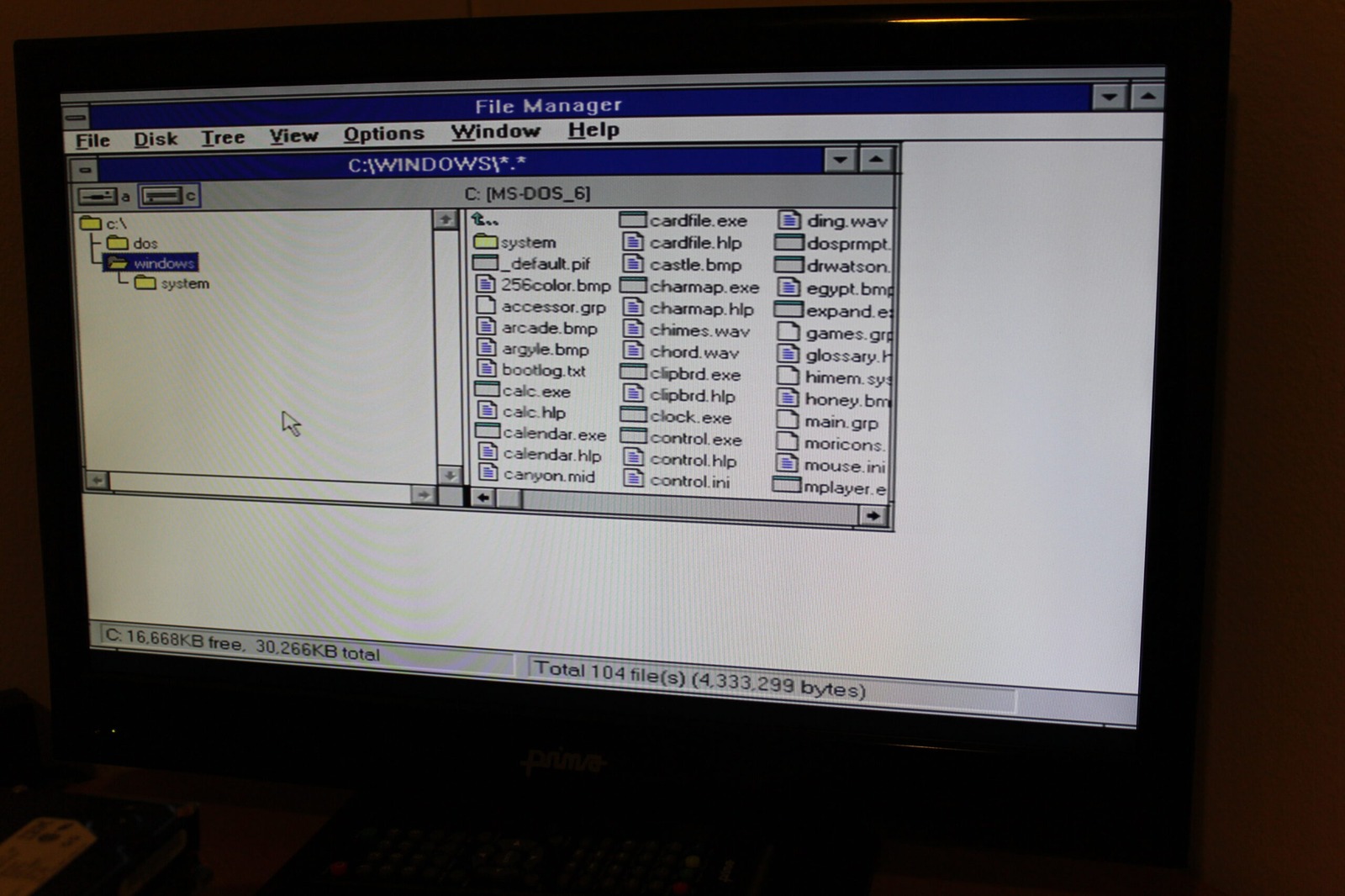
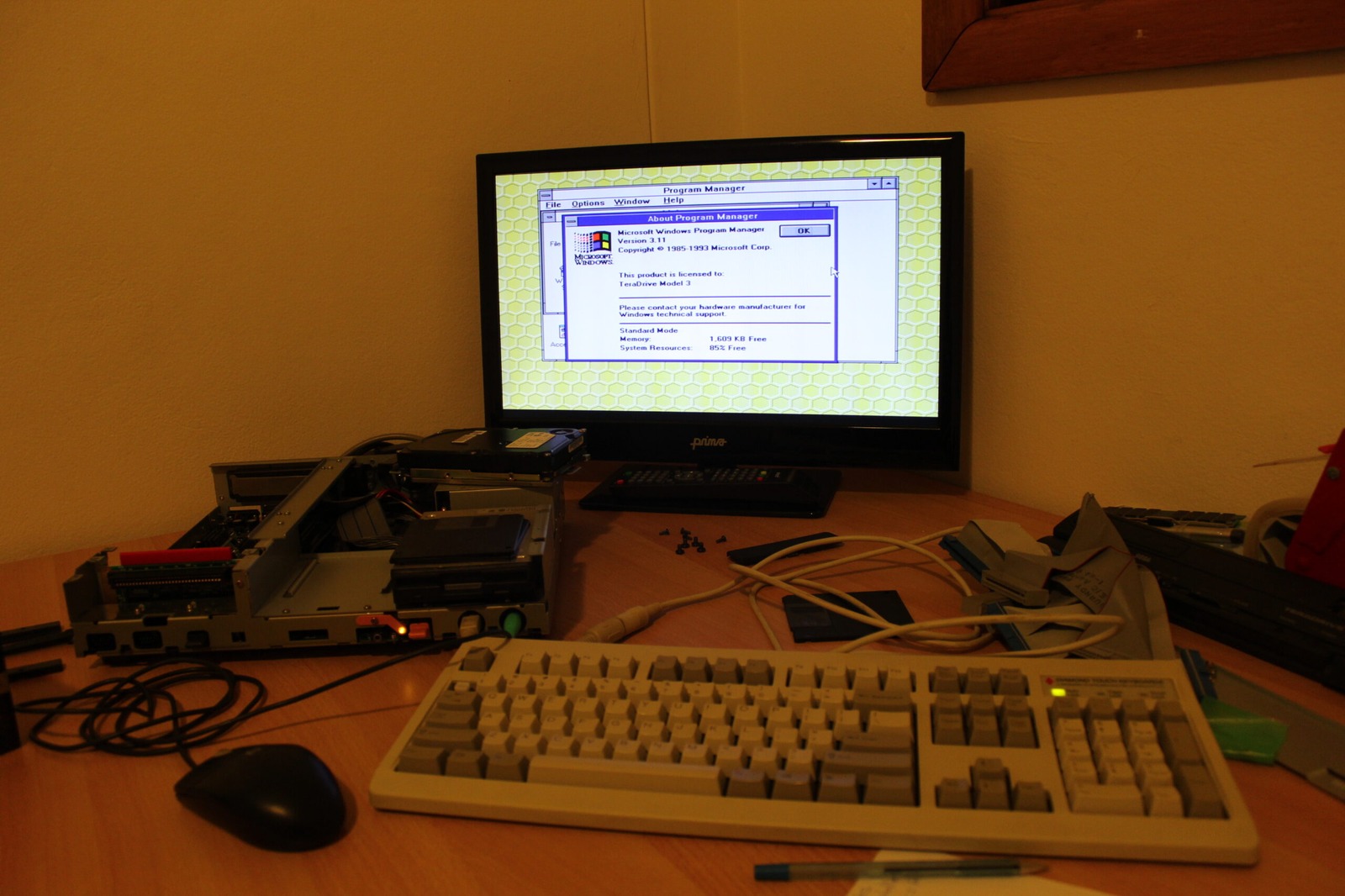
Solitaire runs amazingly well and is on par with the RAMdisk version of Windows 3.11 I had knocked together for the TeraDrive Model 2.
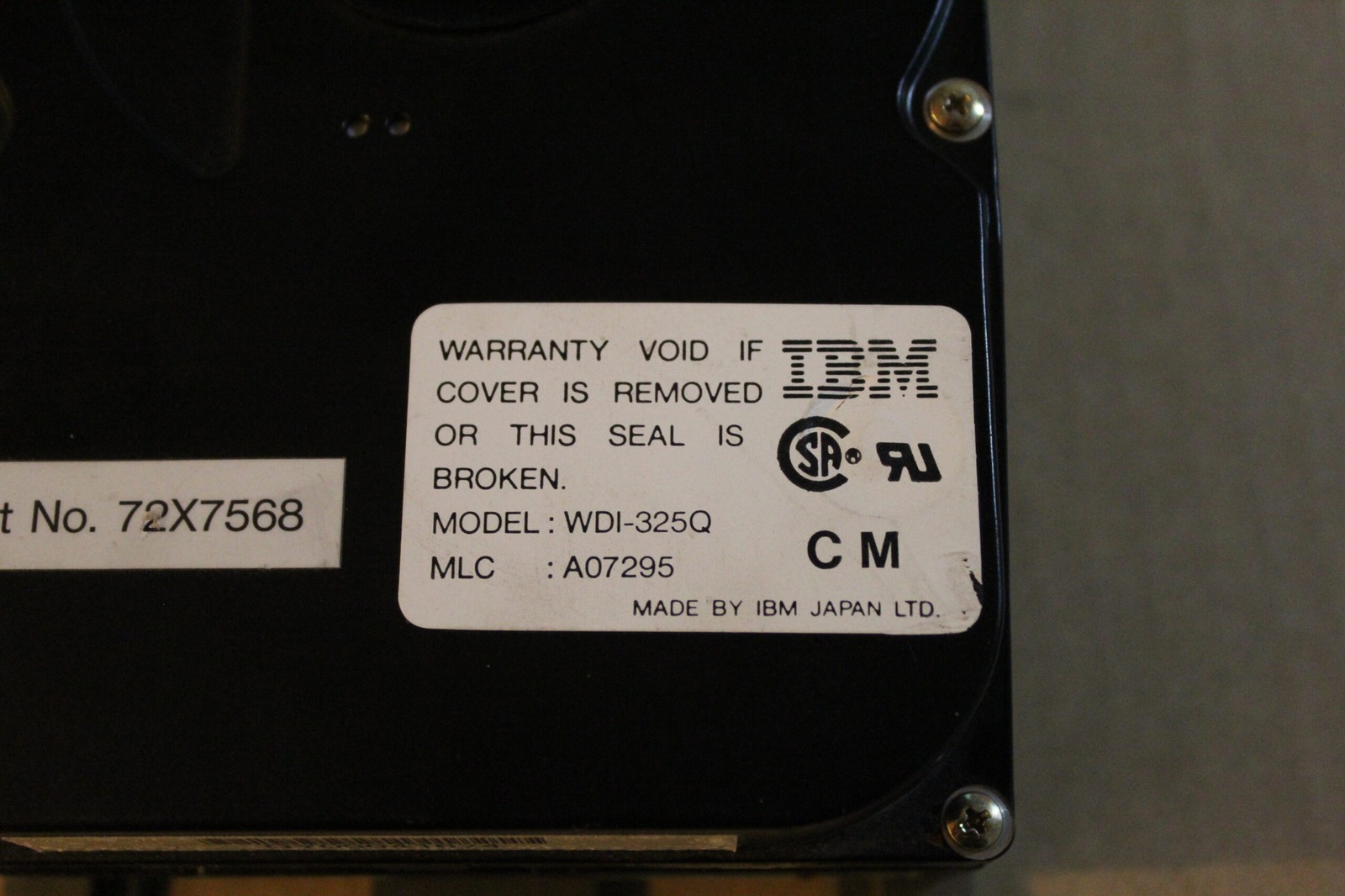
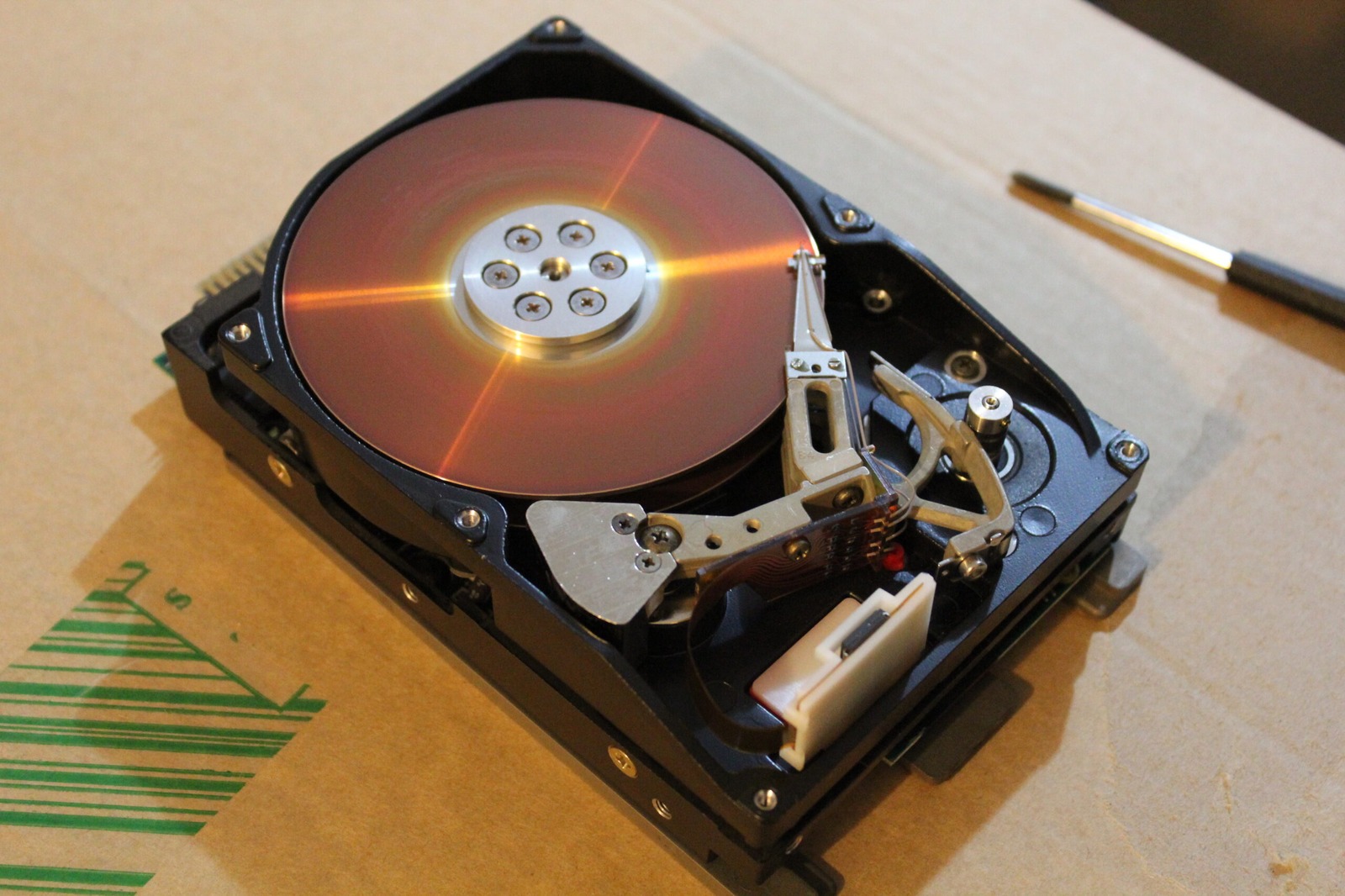
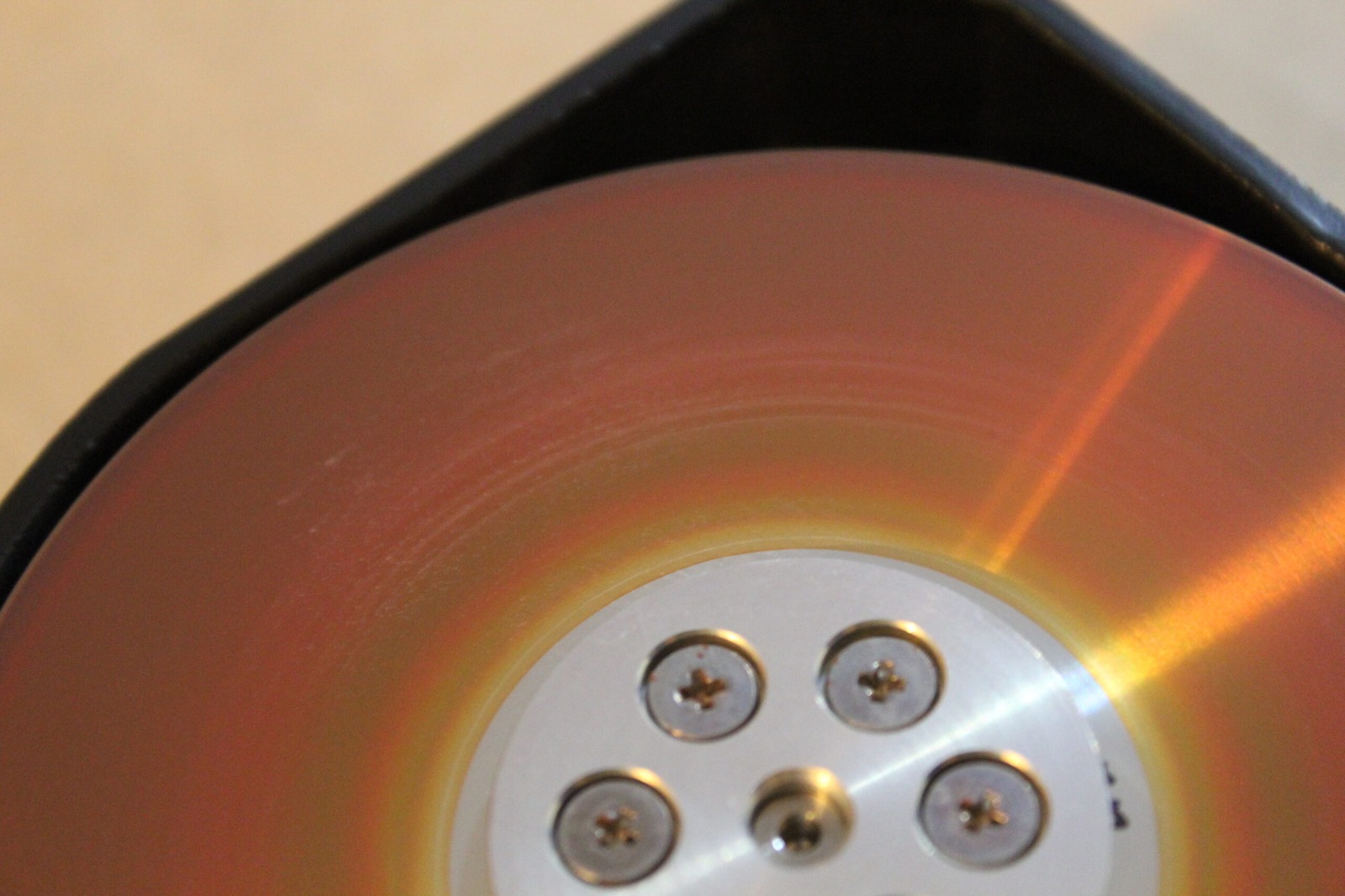
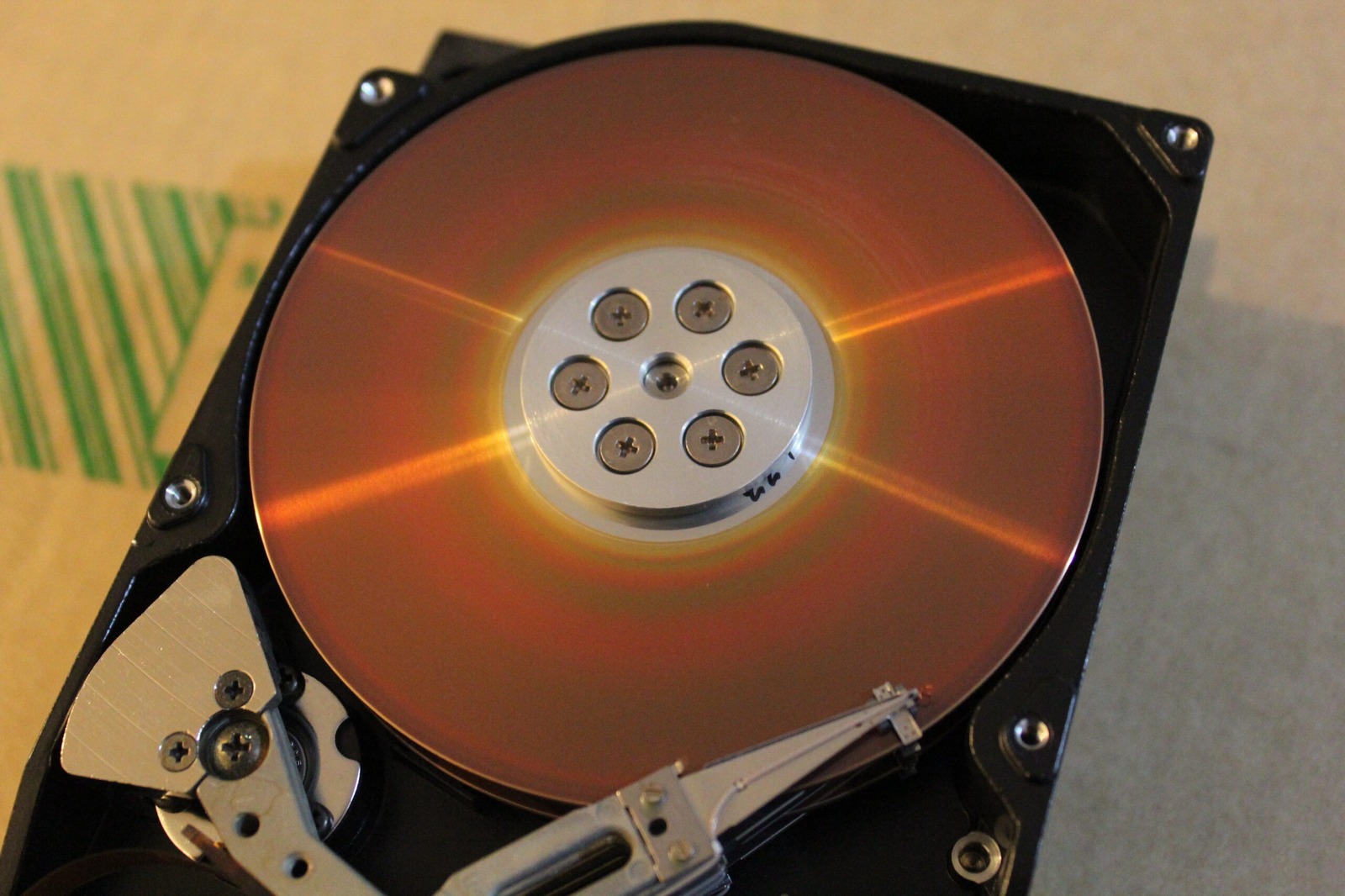
However, it was not all good and well. The WDI-325Q I picked up does not work properly and reports some pretty epic failures. It also sounds like a freight train when it spins up and down. Had a quick peek inside the drive and the platters do not look in the best of shape. Or perhaps this is normal for an older drive.
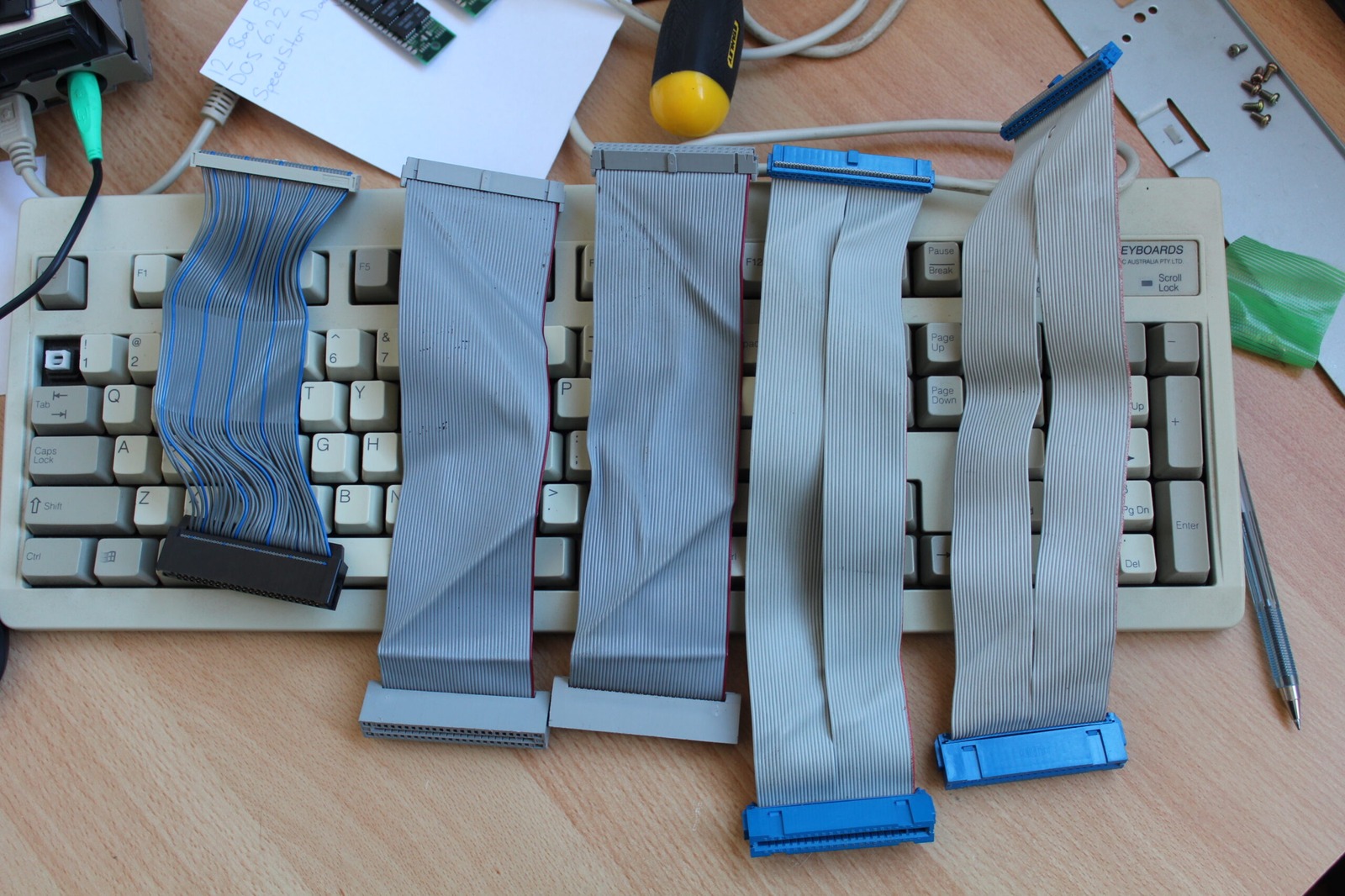
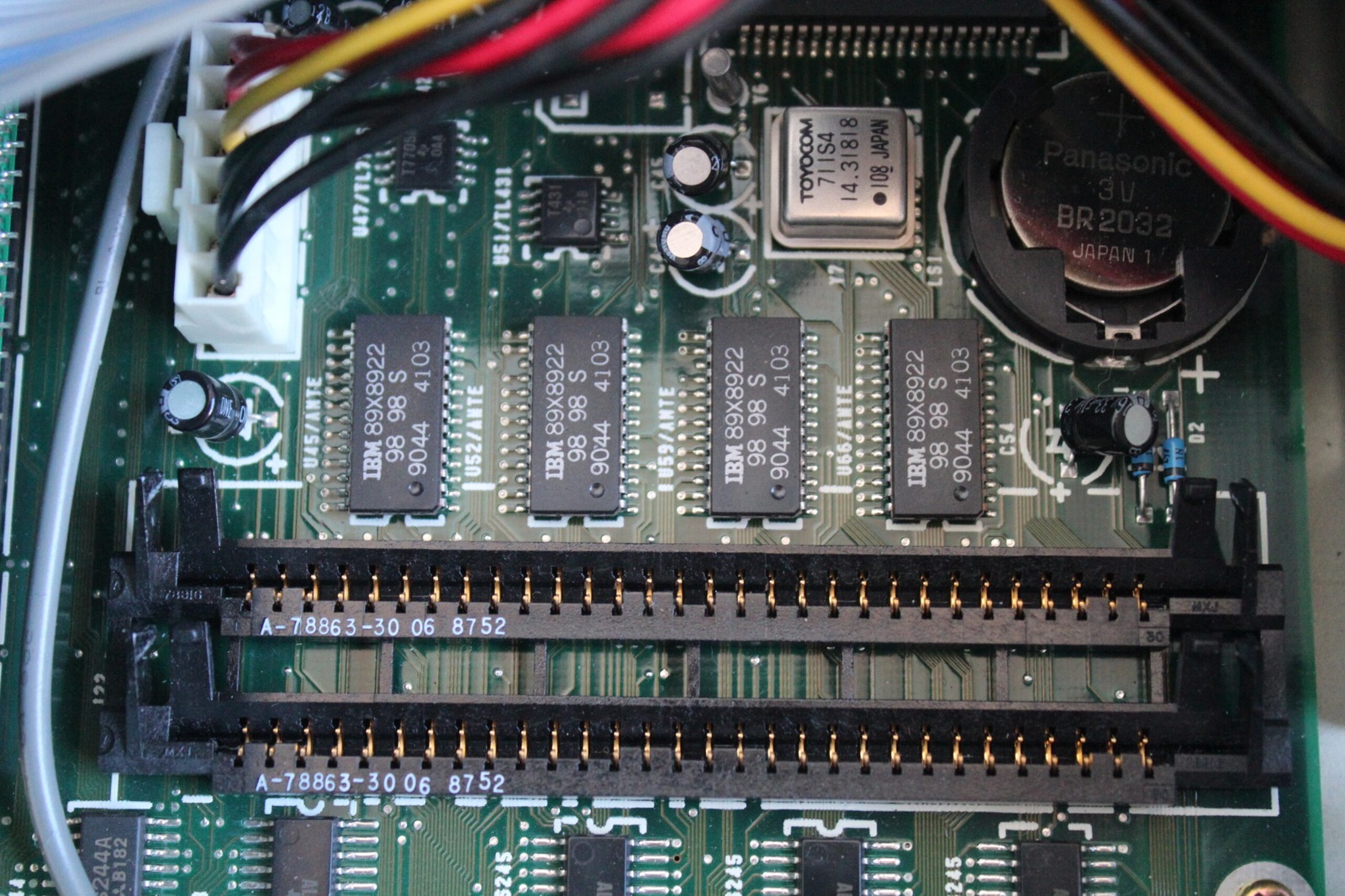
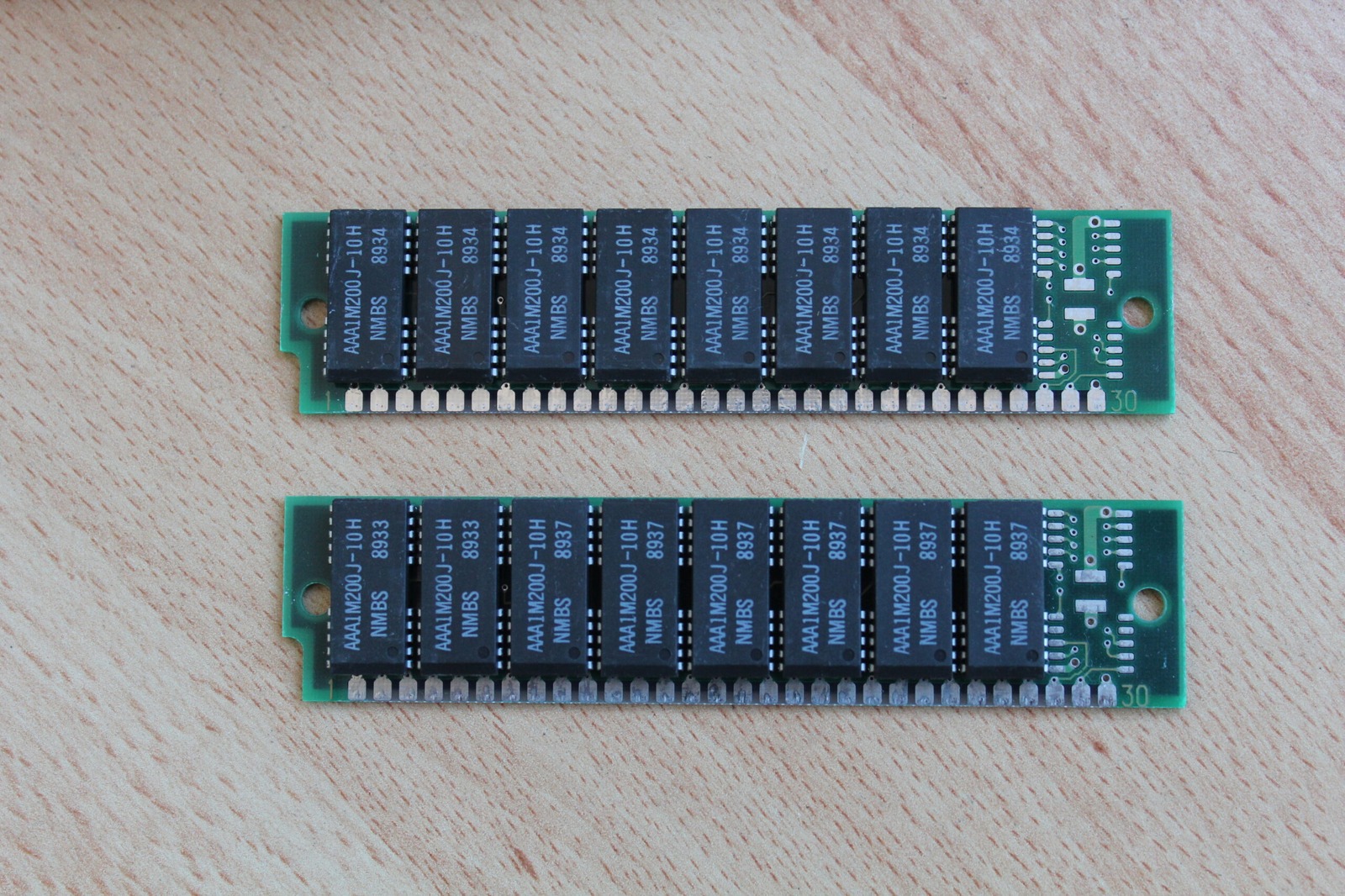
The 44 pin cables I picked up tested OK which was great news. They are slightly longer than the TeraDrive original hard drive cable which is great as well - more slack! Also the 512K onboard RAM… I wondered if it could be upgraded with a little bit of desoldering and resoldering. Sega’s official specification confirms that the Model 3’s supported main-memory configuration tops out at 2.5MB, so this machine was already at its documented maximum. Preservation is key for hardware like this.
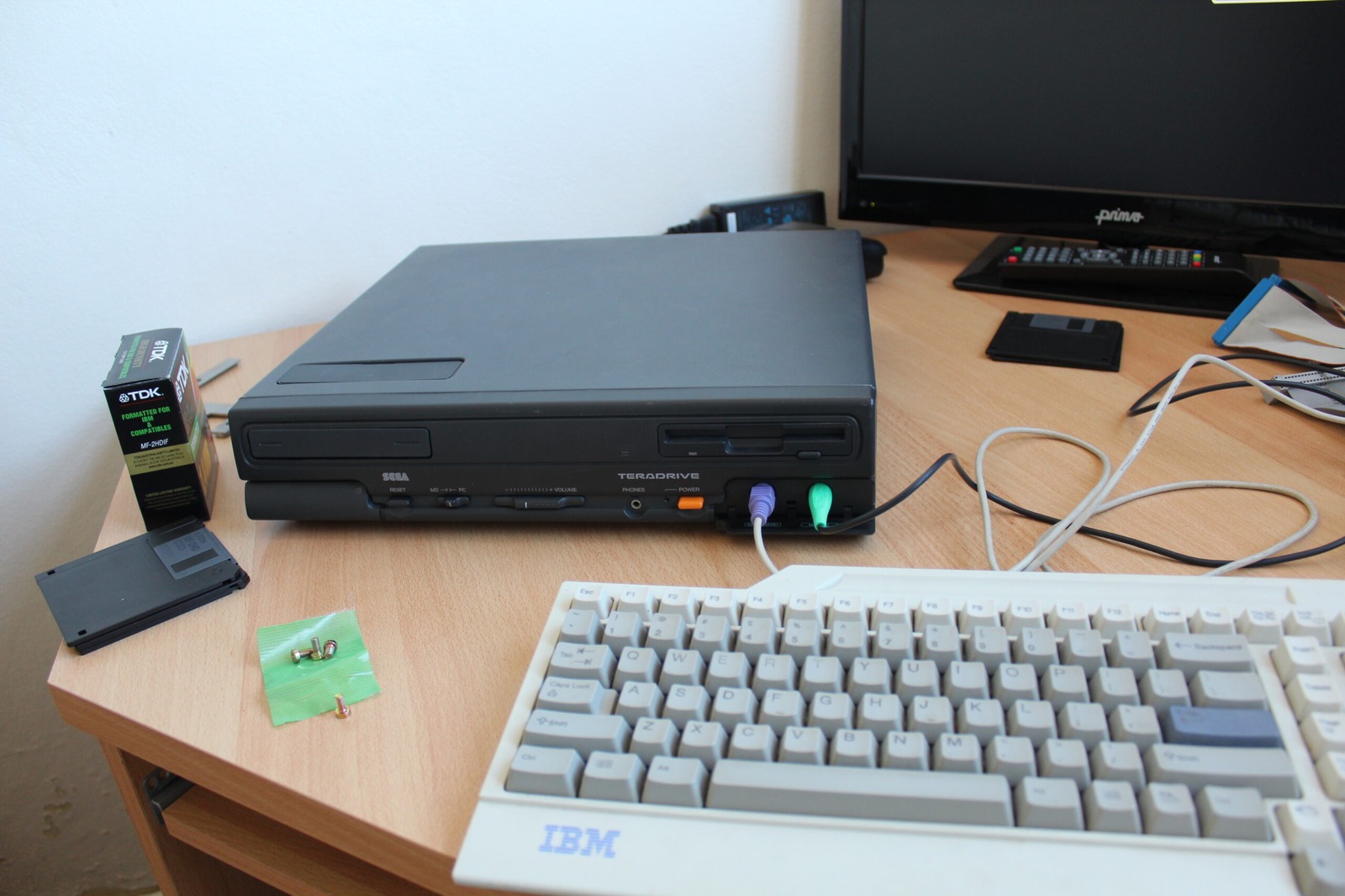
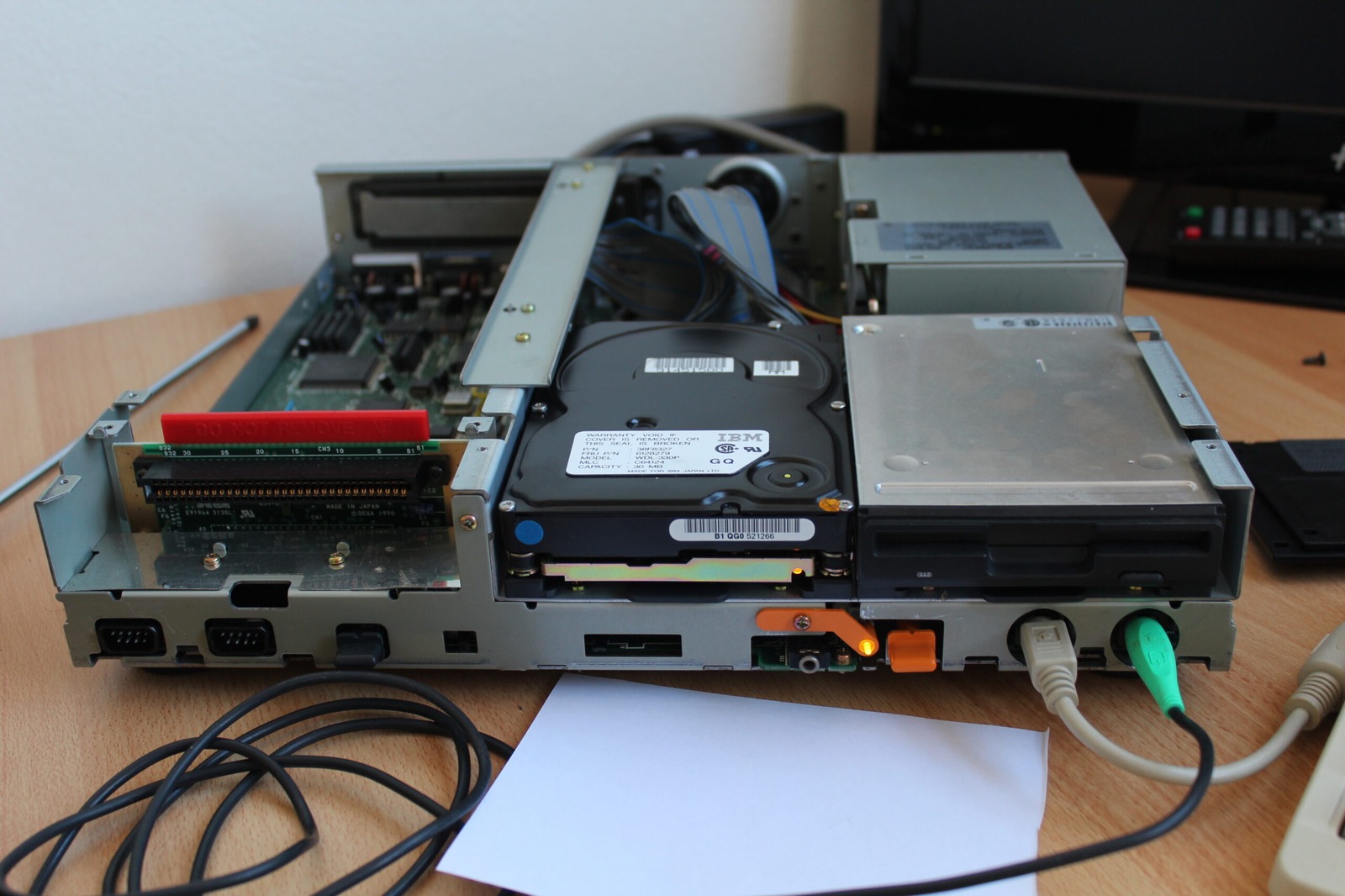
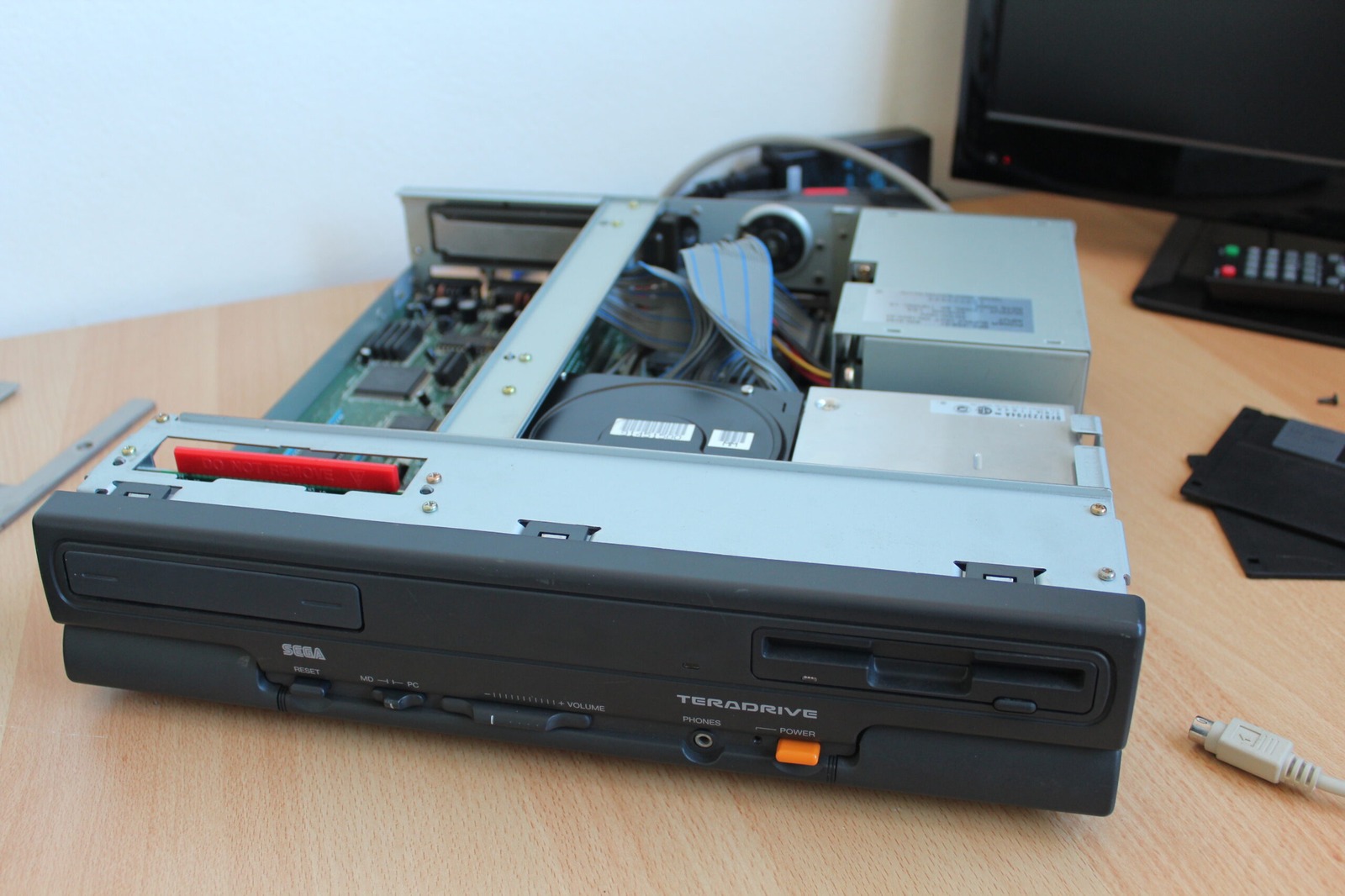
So overall a great success and we have some poor IBM PS/2s to thank for the hard drive cables and the hard drives. Not really a surprise since Sega officially describes the TeraDrive as a joint development with IBM Japan. Very convenient in this particular case.
There’s even more photos in the photo gallery under the album Sega TeraDrive Model 3 100006271.
Sources
- Sega Hardware Archive - TeraDrive - Sega’s official specifications list the Model 3 with 2.5MB main memory and describe the TeraDrive as a joint development with IBM Japan.