 Nix McRetro
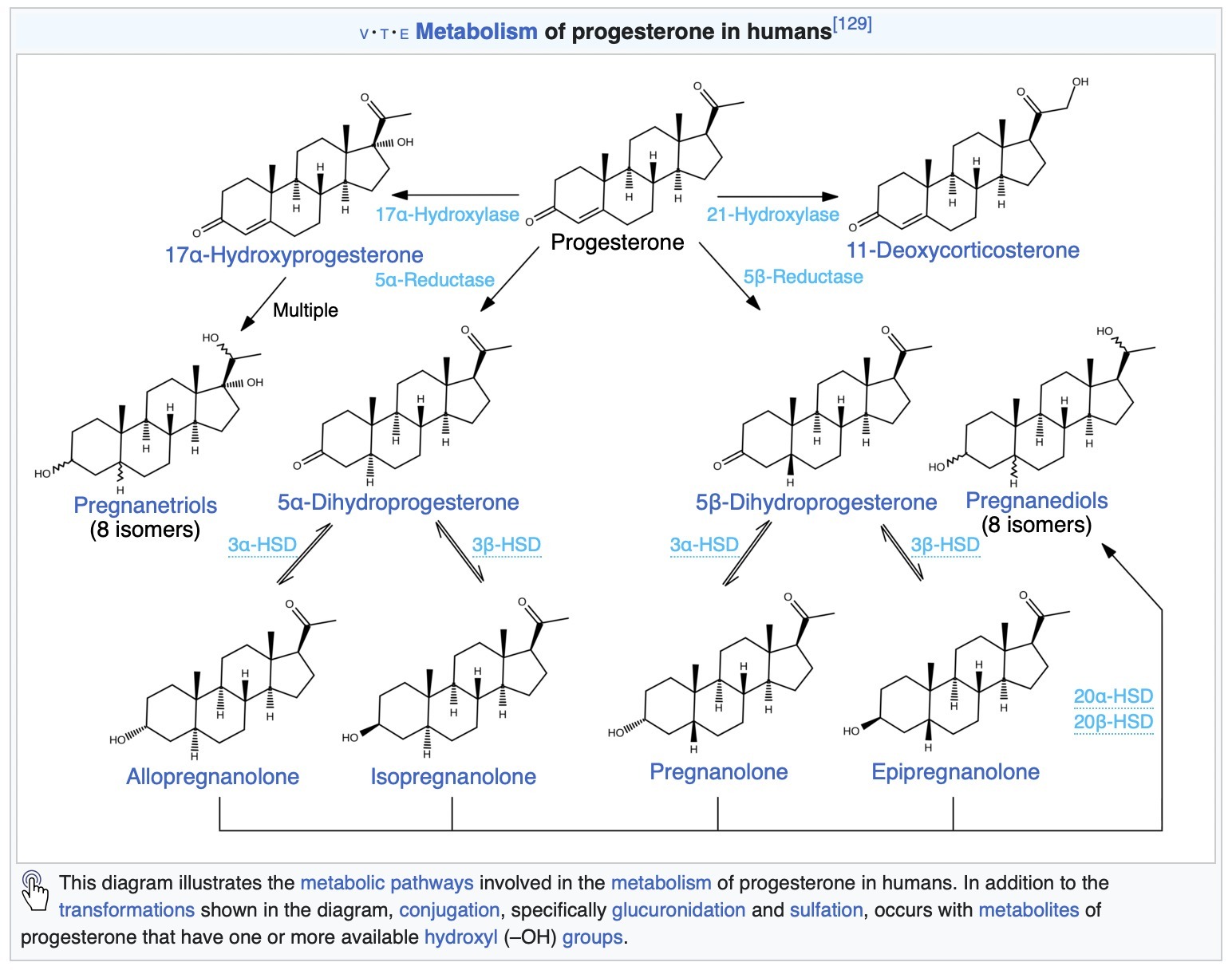
I touched on progesterone (P4) in my last transgender update post. I am not quite sure if progesterone is working in the way I want it to. My biggest annoyance with it is feeling like my brain is on fire just before trying to sleep.
Rewind to late February 2024, for almost three weeks my progesterone dose was doubled to 400 mg of oral, micronised, compounded progesterone - 200 mg twice a day. That’s up from the 200 mg once at night.
I had also ceased finasteride, which inhibits 5-alpha reductase (5AR). That enzyme helps convert progesterone towards neurosteroids such as allopregnanolone. Could stopping finasteride have changed what was happening here? Something to investigate, though I hadn’t measured those metabolites.
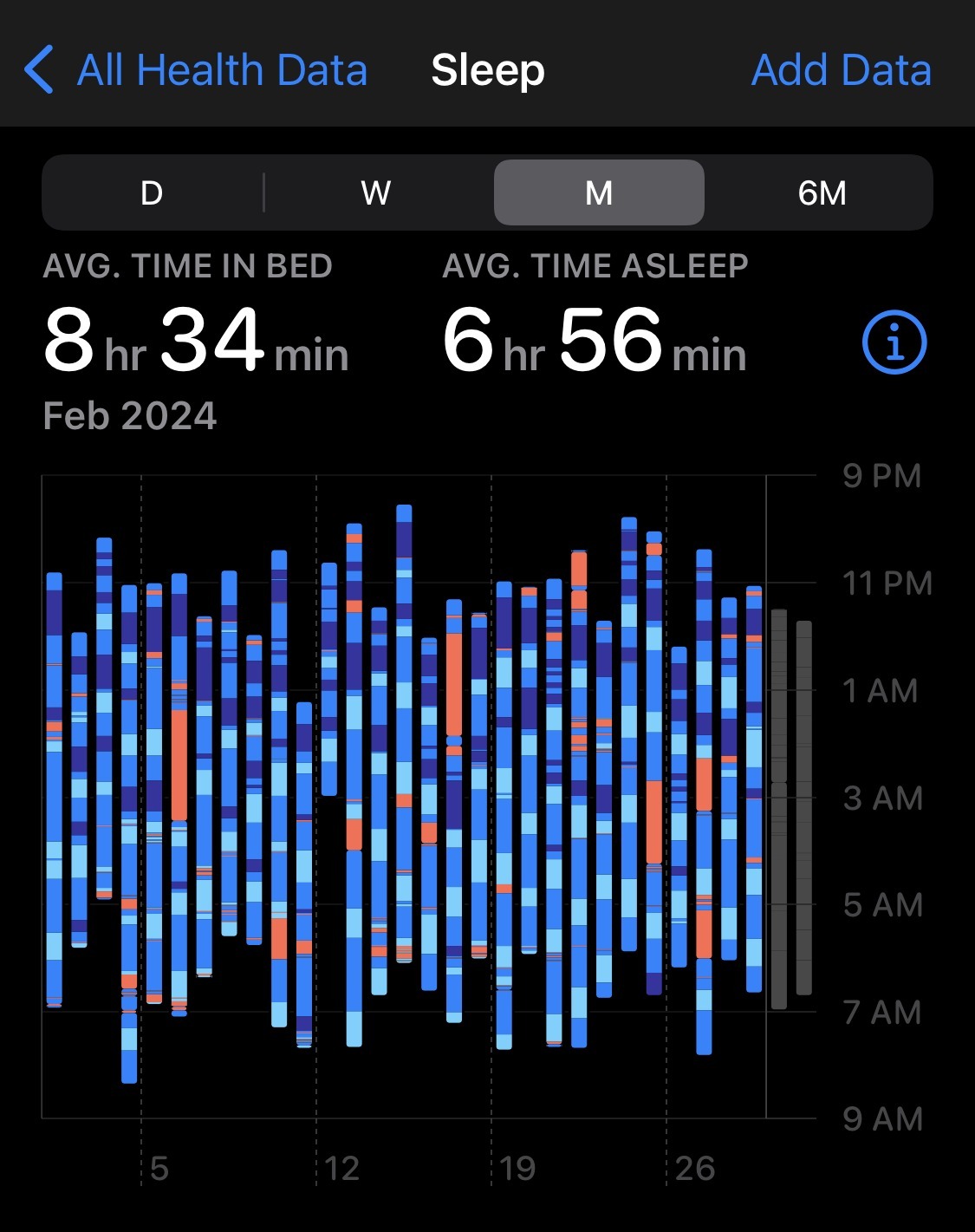
My sleep quality has been pretty broken for a while now. Look at those orange blocks. And here I was hoping progesterone might help. Anxiolytic? Yes please! Sleep improving? Definitely on the wish list. That small study of 100mg nightly found no clear improvement over three months, though.
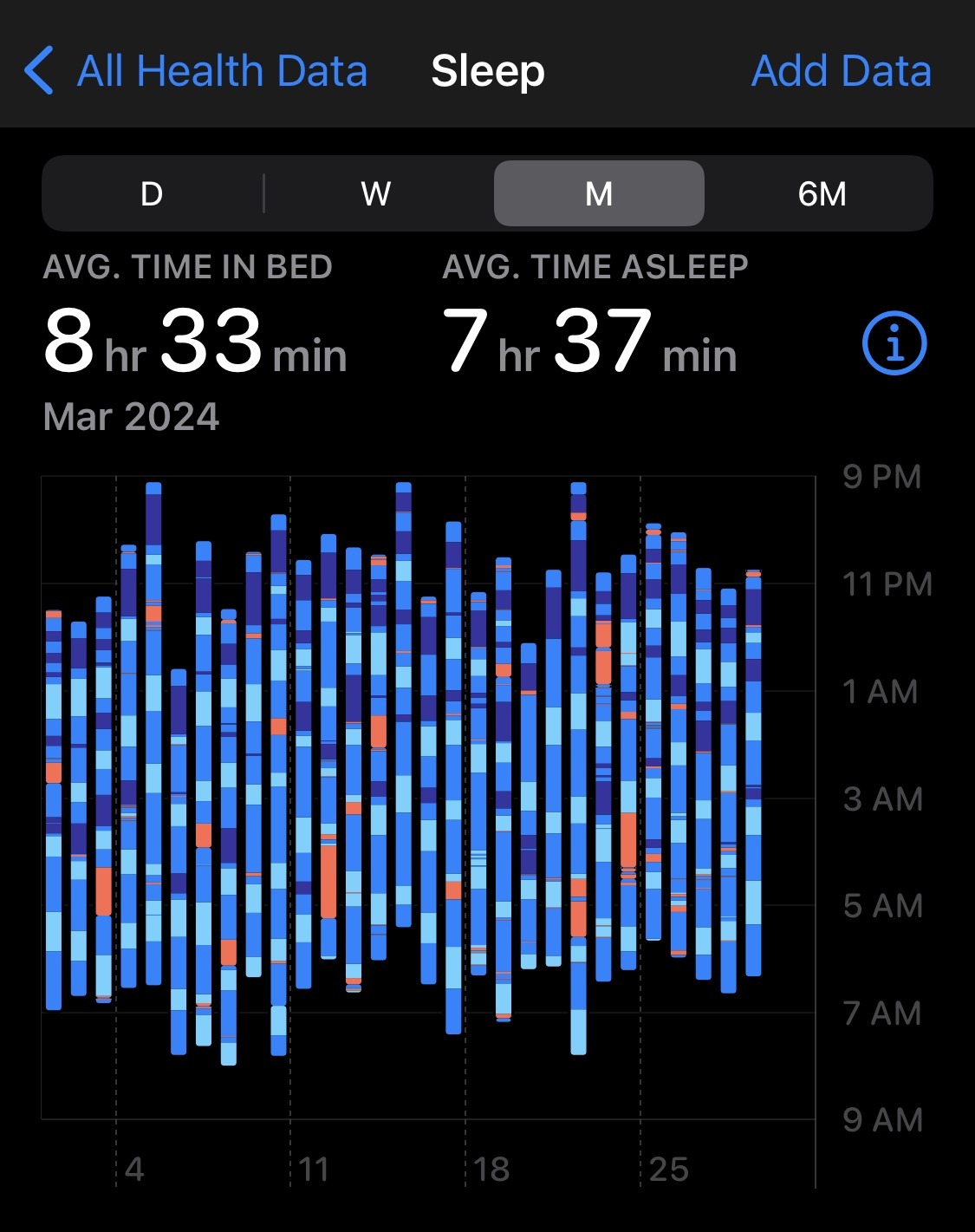
Instead I get this whole brain fire thing and feel like I’ve taken an anxiogenic. Brain on fire? Throw in some formication, that crawling sensation, and I was wondering about a glutamate rebound or surge. Excitotoxicity perhaps? It felt that way, but I had no evidence of actual neuronal injury.
I’ve experienced similar feelings while withdrawing from pregabalin and trusty old diazepam. Different drugs, different targets: pregabalin acts through calcium-channel subunits, while diazepam enhances GABA-A receptor activity. Definitely that same feeling though. It appears that taking what I would consider a small dose (2mg) of diazepam negates the insomnia pretty well. Even though diazepam isn’t a terribly good choice for sleep. It takes me from being a wired insomniac to sleeping beauty in about an hour.
Another interesting side effect I am seeing a lot more of is dissociation. Ordinarily, I would only experience this while in high stress, high anxiety situations but recently I’m noting it a lot more just doing chores around the house - which is a little concerning.
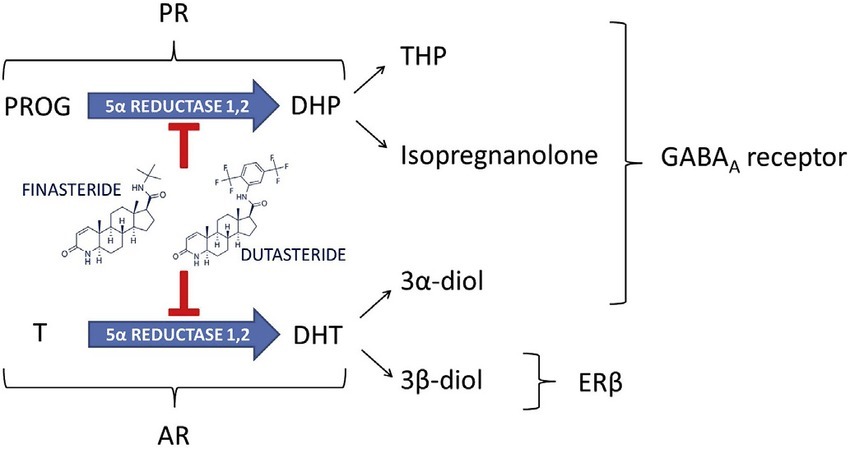
Regardless, I wondered whether something was messing with my GABAergic system, and progesterone-derived neurosteroids fit the bill. Armed with my two-thirds of a biomedical science degree I went digging for more information. Up above is an image from my last health blog post. Finasteride can interfere with the 5-alpha-reduced pathway that produces allopregnanolone, though blocking the enzyme doesn’t mean every last bit of that pathway stops.
I wondered whether moving to a more potent 5AR inhibitor, such as dutasteride, would reduce the side effects I associated with higher-dose progesterone. A question for my endocrinologist I suppose. Research into 5AR inhibition and allopregnanolone in PMDD was interesting, but it couldn’t answer that question for me. I restarted my finasteride while I kept digging into the following progesterone metabolites.
Allopregnanolone (THP) - a positive allosteric modulator of GABA-A receptors.
Pregnanolone - another progesterone-derived neuroactive steroid with positive GABA-A receptor effects.
Isopregnanolone / isoallopregnanolone - can antagonise some effects of allopregnanolone at GABA-A receptors; calling it simply a universal “negative allosteric modulator” is a bit too neat.
Epipregnanolone - another neuroactive progesterone metabolite with more complicated receptor effects than my original table suggested.
Alright, so a bunch of neurosteroids are doing a bunch of things. The half-life figures I’d collected came from different contexts, so they weren’t much of a clock for what was happening in me. Hormones are messy. Where does that leave me? I guess I am left questioning whether I should be taking progesterone at all. My plan was to return to 200mg and go over the dose and symptoms with my endocrinologist.
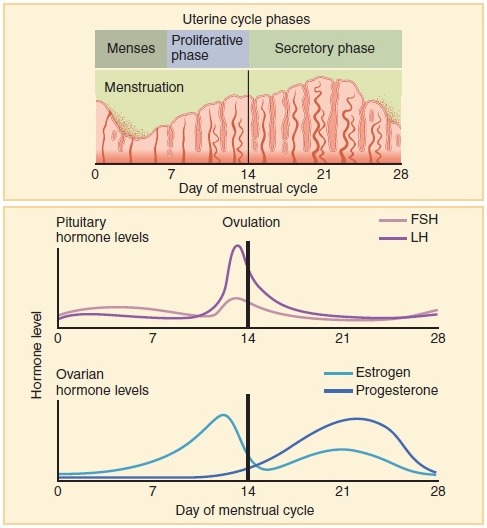
My search revealed some interesting overlap with research into premenstrual syndrome (PMS) and premenstrual dysphoric disorder (PMDD). Sensitivity to normal hormone and allopregnanolone fluctuations seemed particularly interesting. Could changing levels be part of what I was feeling? That gave me something to think about, without meaning I had PMDD.
PMDD is believed to be caused by fluctuations in gonadal sex hormones or variations in sensitivity to sex hormones.
If sensitivity to level shifts is reason for the negative side effects, then single or even twice daily doses are probably not enough to smooth out the levels of neurosteroids for me, allowing me enter a withdrawal state, perhaps? Brain on fire? This paper offers some great insight into the mechanisms behind it all with some interesting side notes on SSRIs.
Interestingly, SSRIs increase allopregnanolone levels in the brain, rapidly and at low doses, as demonstrated in rodents as well as in patients with depression.
Could this be one of the reasons why I can’t tolerate SSRI/SNRIs? At the very least, it’s some food for thought. Worth noting that the original study has been questioned a little further along in the paper. Let’s circle back to those progesterone levels again. From Wikipedia
Progesterone levels tend to be less than 2 ng/mL prior to ovulation and greater than 5 ng/mL after ovulation.
What were my most recent levels again? 9.1nmol/L (about 2.9ng/mL in freedom units), roughly 12 hours after a 200mg evening dose. I was comparing that with cisgender menstrual-cycle ranges, but there is no established progesterone target for transfeminine GAHT. Lining up with one part of a menstrual cycle wouldn’t tell me whether the dose was right for me.
Looking at the short-lived peaks involved in oral progesterone made me wonder whether splitting the dose might feel smoother. Would 100mg twice daily work better for me than once at night? Something to discuss and test with my endocrinologist.
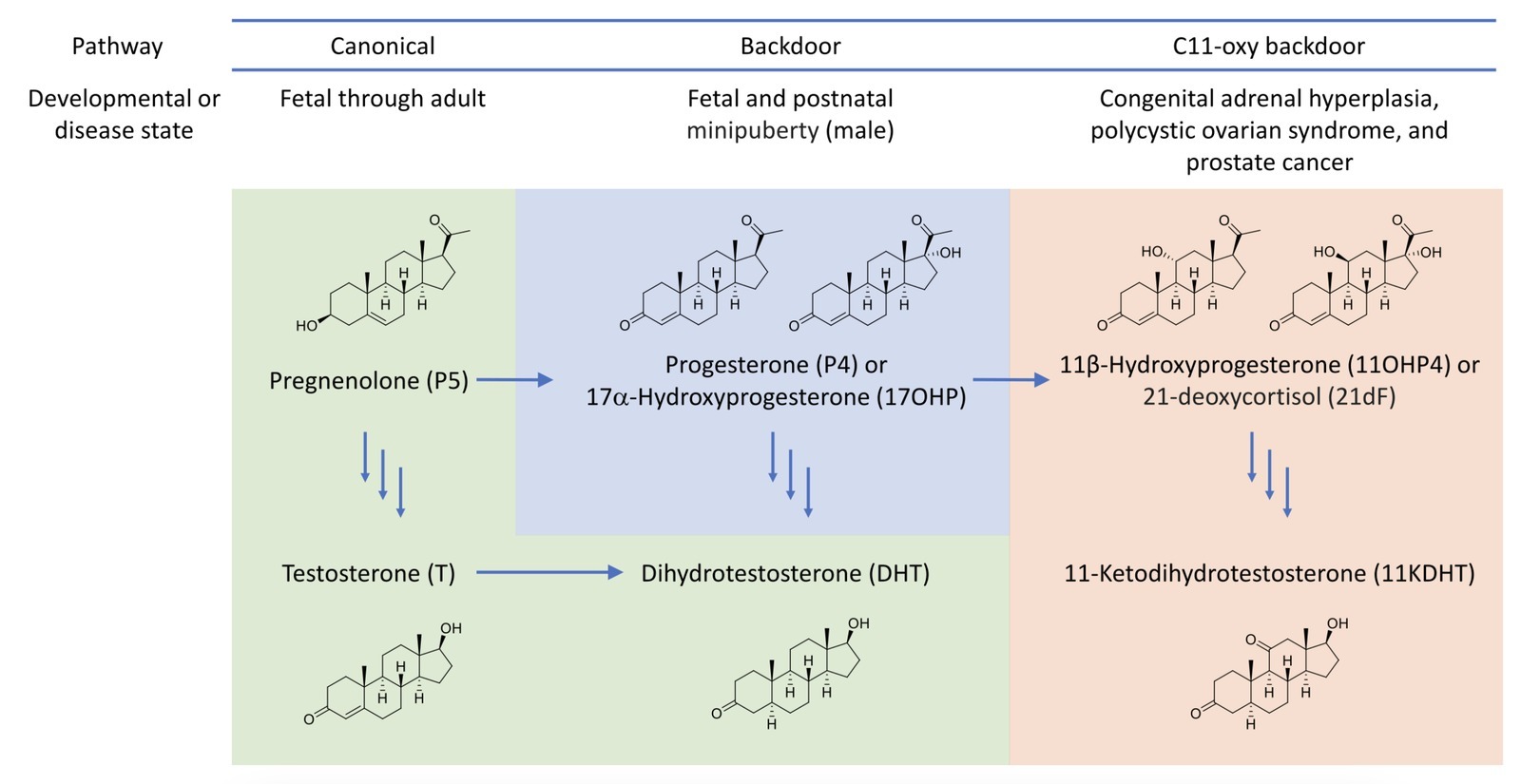
Of course I was also thinking about the androgen backdoor pathways. Progesterone can feed into pathways capable of producing potent androgens such as DHT, which got me wondering about the hair on my head. I hadn’t measured a rise in DHT, though. Another question to investigate.
Finasteride inhibits 5-alpha reductase, reducing testosterone to DHT conversion as well as parts of progesterone neurosteroid metabolism. I’d originally pictured it as competing with progesterone for the enzyme, but it blocks the enzyme itself.
Libido was another thing I was watching because I absolutely did not want an increase due to past trauma. I’d seen people attribute libido changes to progesterone online. Would that happen to me? There wasn’t a reliable rule to go by.
Other oddities: my facial hair became darker while I was on the higher 400mg progesterone dose. My upper lip now had black hairs where I remembered blonde ones. New and unwanted. I couldn’t tell whether progesterone was responsible. It might be useful for IPL treatment. But now there’s shadow on my upper lip I never had before.
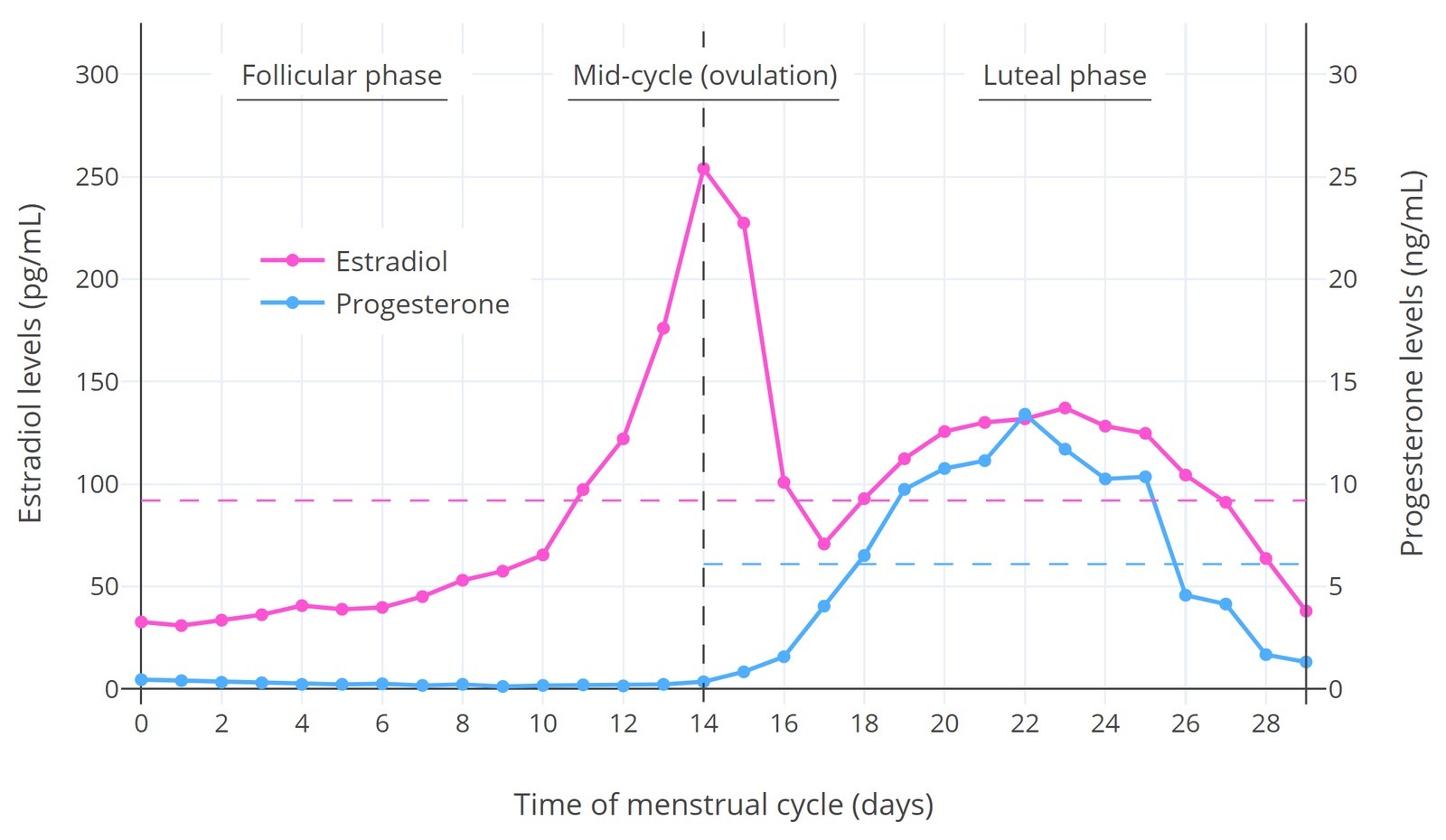
One big uncertainty is that I’m not sure what my levels of estradiol will be at the next blood test. Are the 200 mg of pellets doing their job properly? Or did they fail? Does the dose need to be increased?
For now, I had been supplementing the implant with the remainder of my 2mg oral estradiol pills and then some Sandrena gel while the pellets settled. Earlier blood tests had given me figures of about 85pmol/L with a pill and 200pmol/L with a gel dose. Tempting to add those numbers together and call it a day, but they came from different conditions. They couldn’t tell me what the implant, tablets and gel were doing together, let alone guarantee a particular menstrual-cycle range.
Anyway, that was one heck of an info dump. I think that sums everything up that has been on my mind lately.
TL;DR 400mg oral progesterone coincided with my brain going on fire. Could shifting neurosteroid levels be involved? That was what I was trying to work out. My plan was to reduce the dose and discuss a smoother regimen with my endocrinologist. Hormones are complicated. Nothing like some trial and error! 🙃
Sources
- Standards of Care for the Health of Transgender and Gender Diverse People, Version 8
- Allopregnanolone in premenstrual dysphoric disorder (PMDD): Evidence for dysregulated sensitivity to GABA-A receptor modulating neuroactive steroids across the menstrual cycle
- Effects of low-dose oral micronised progesterone on sleep, psychological distress, and breast development in transgender individuals undergoing feminising hormone therapy: a prospective controlled study
- Progesterone - Friend or foe?