 Nix McRetro
This is what it was all about. With the Creative CD-ROM finally working, we now have a functional 486 in the household.
The Amstrad Mega PC doesn’t count. That is more of a 386SX on steroids or, in my highly scientific terminology, a crippled 486. Take your pick!
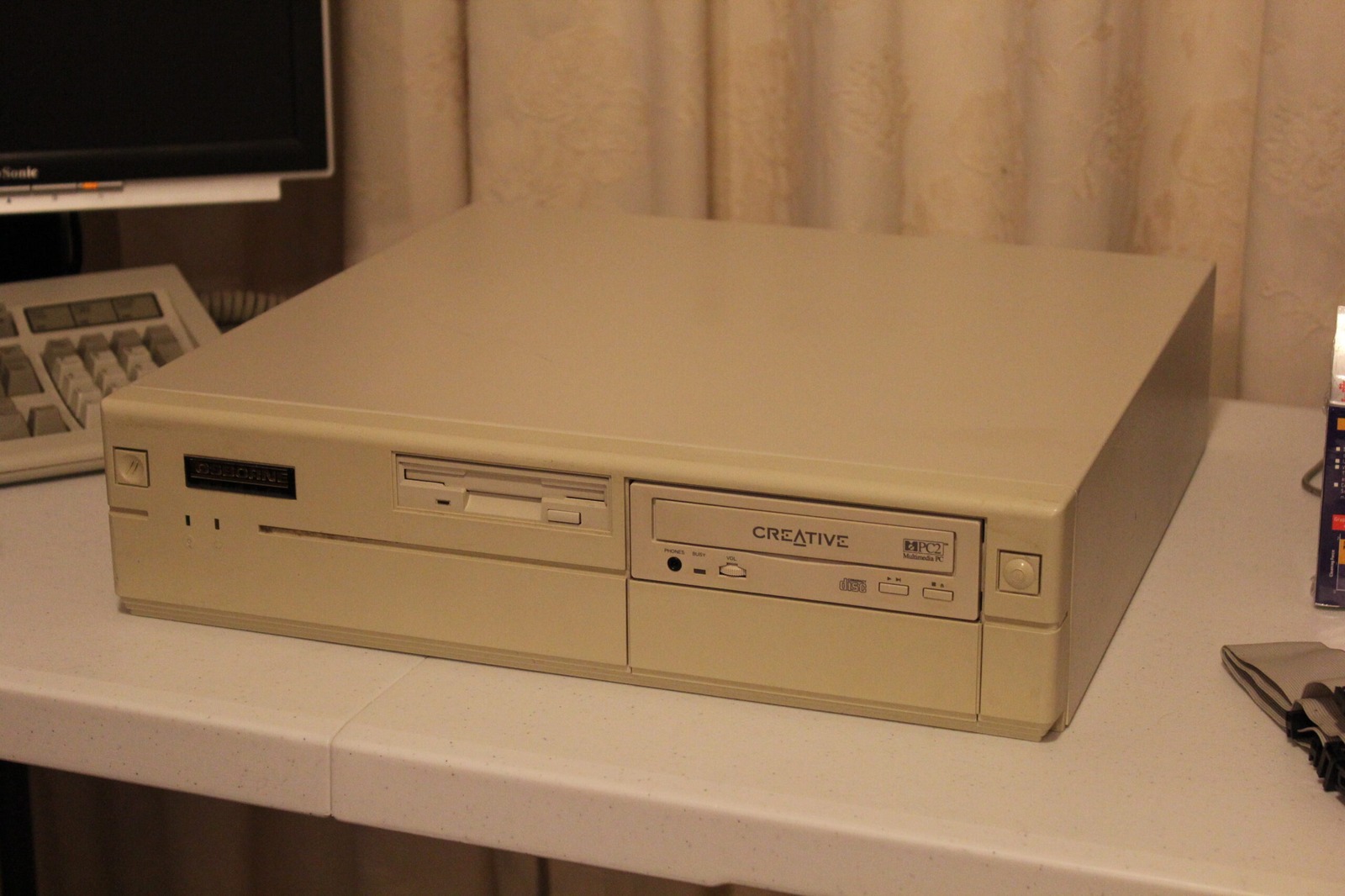
So very… boxy.
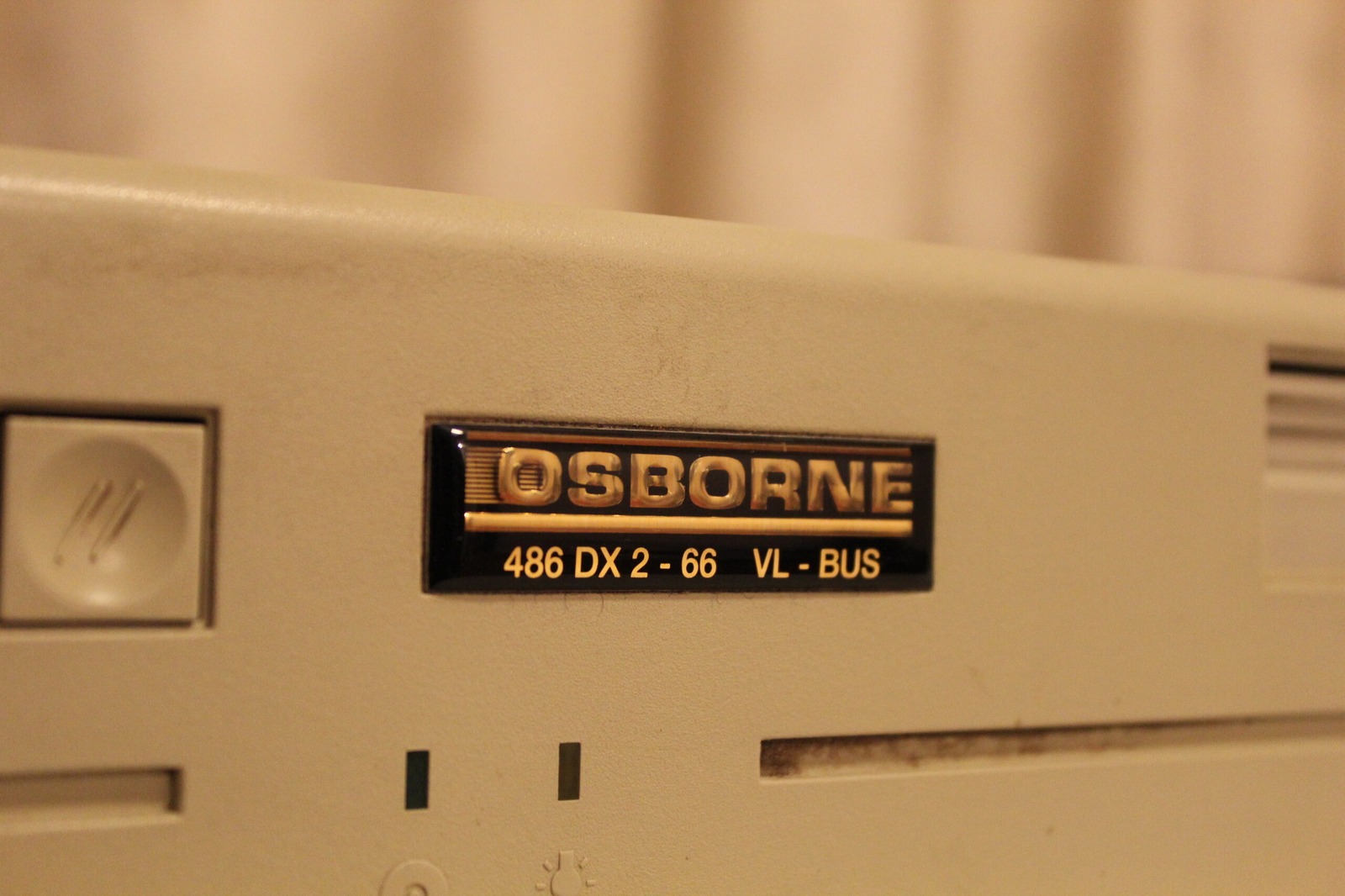
Now that’s how you make a logo sticker!
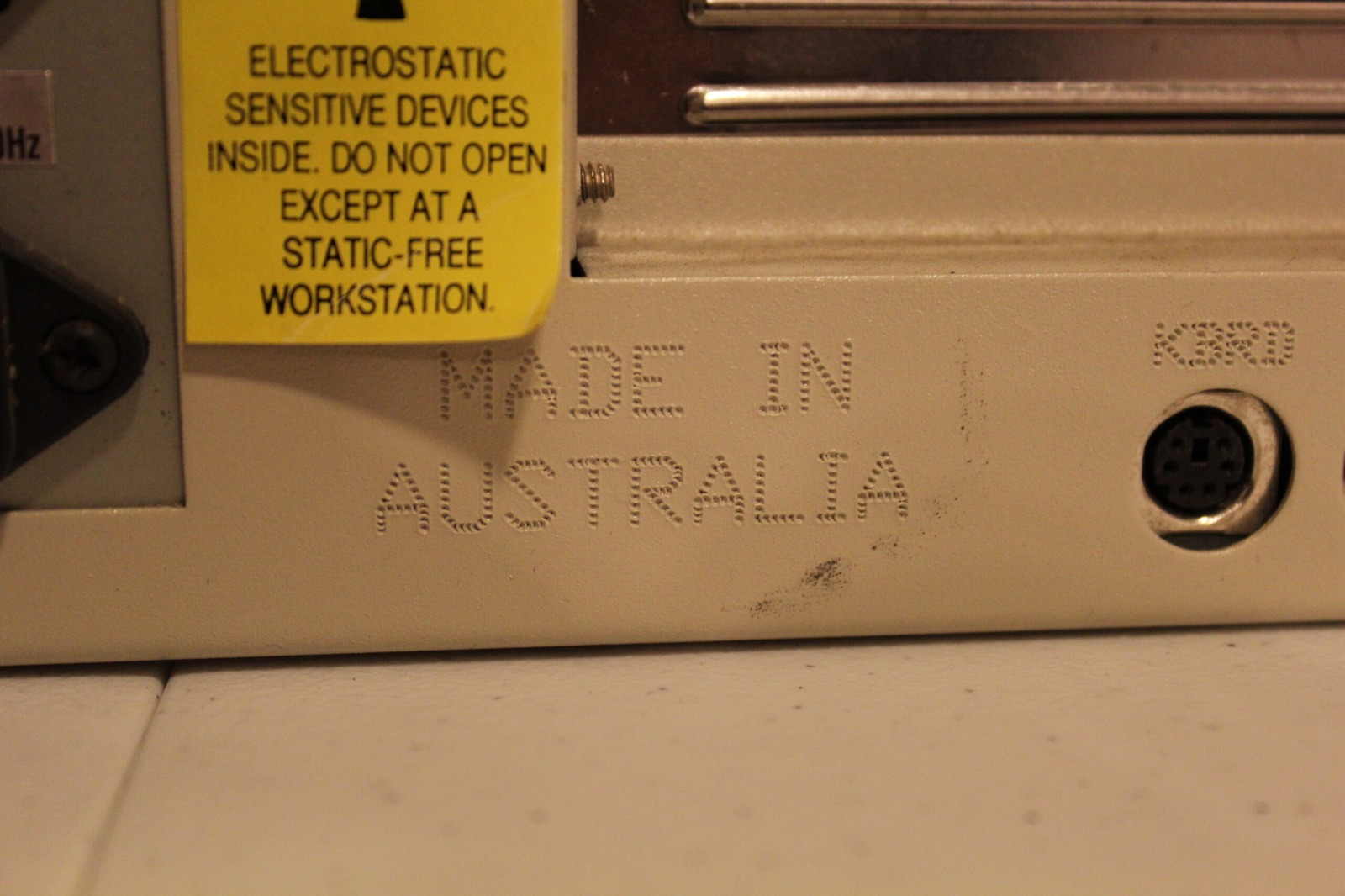
Made in Australia. Those were the days. Not that being Australian-made automatically makes something technically better. There is something nostalgic about these big beige PCs, put together to be solid and last a decade or three.
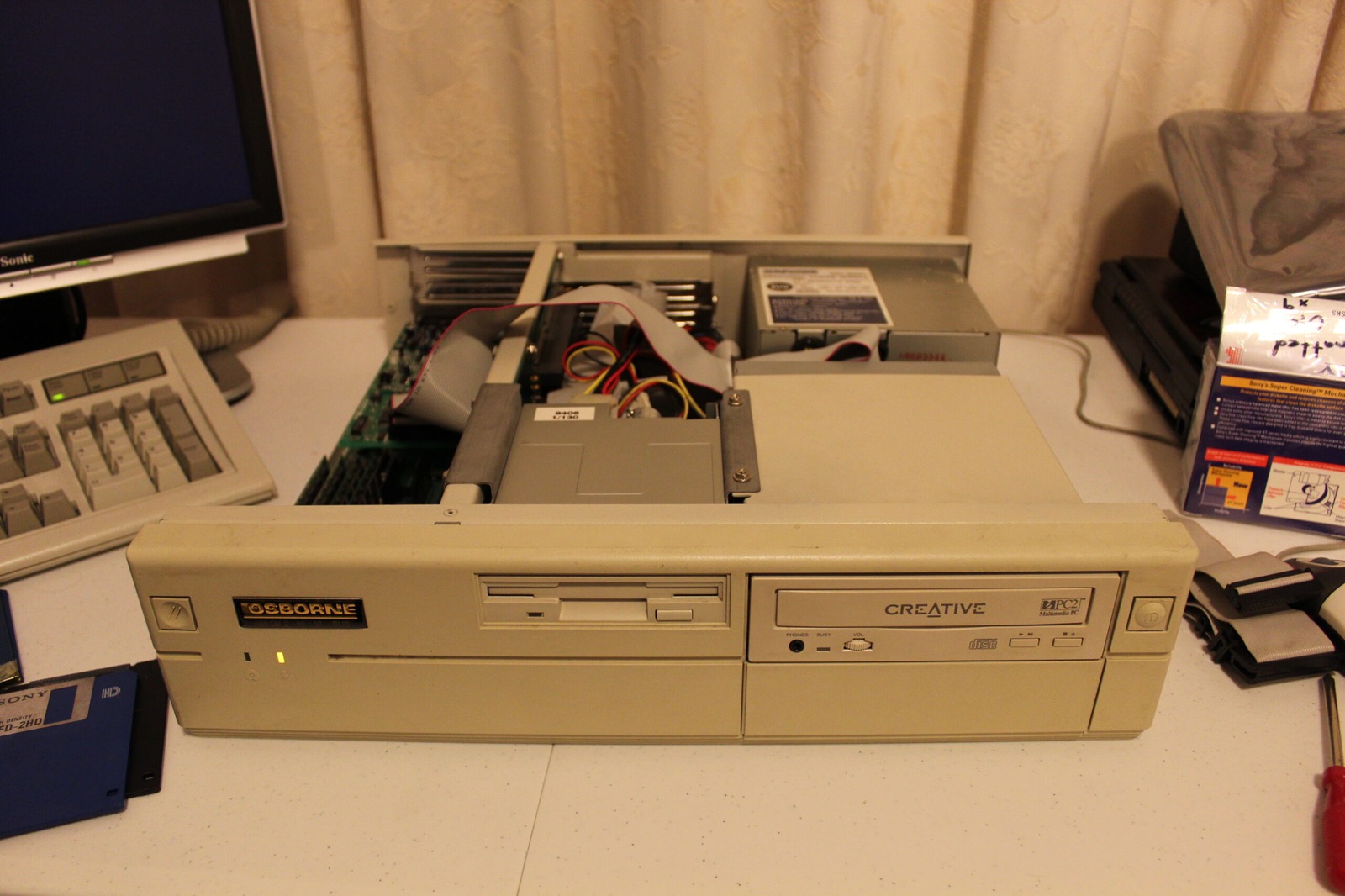
Even with the guts out in the open, it still looks great.
The 486DX2-66 runs its processor core at 66 MHz while the external bus operates at 33 MHz. It also includes the floating-point unit and 8 KB on-chip cache expected of the DX2 family.
A proper early-‘90s 486.
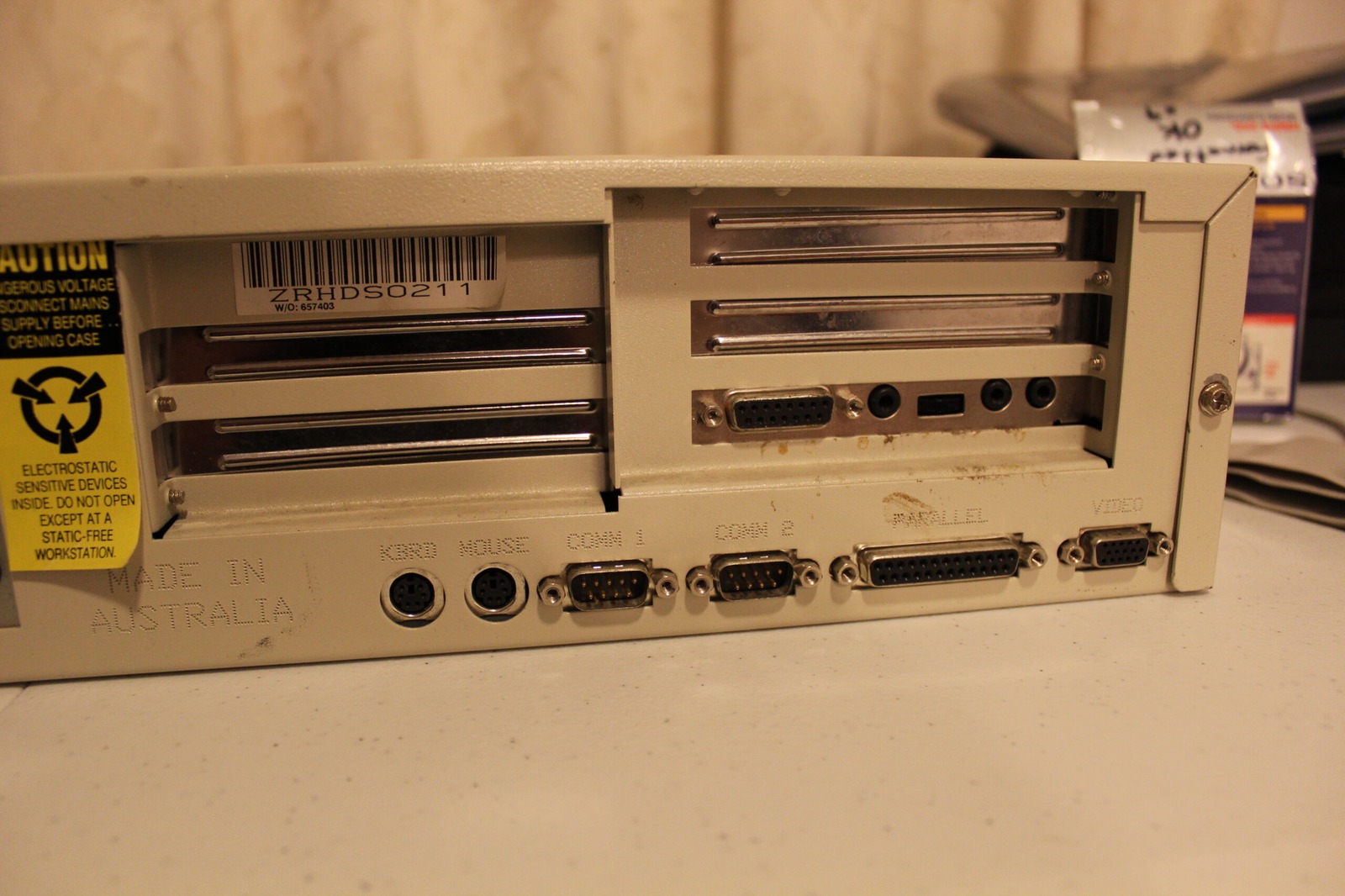
Try and fill all those ports. Onboard video and two serial ports!
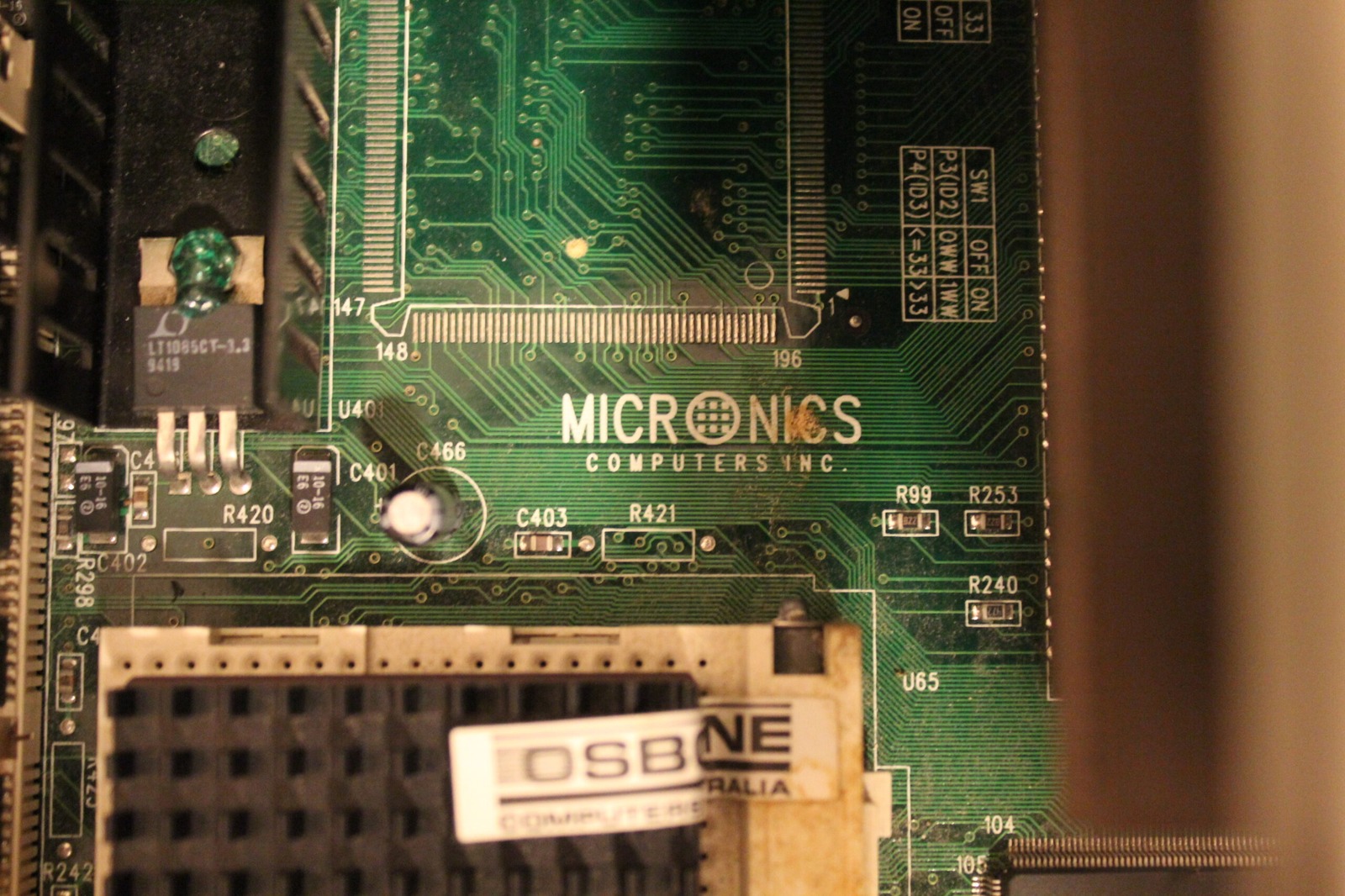
Ohhh Micronics. Now that’s a trustworthy-looking brand name.
Uh ohhh… another trip down memory lane. Sure is crowded in here! ;)
Related posts
Sources
- Intel - Microprocessor Quick Reference Guide - historical Intel reference for 486 processor families and clock rates.
- Intel486 DX2 Microprocessor datasheet, February 1992 - documents the core and bus clocks, floating-point unit and 8 KB on-chip cache.