 Nix McRetro
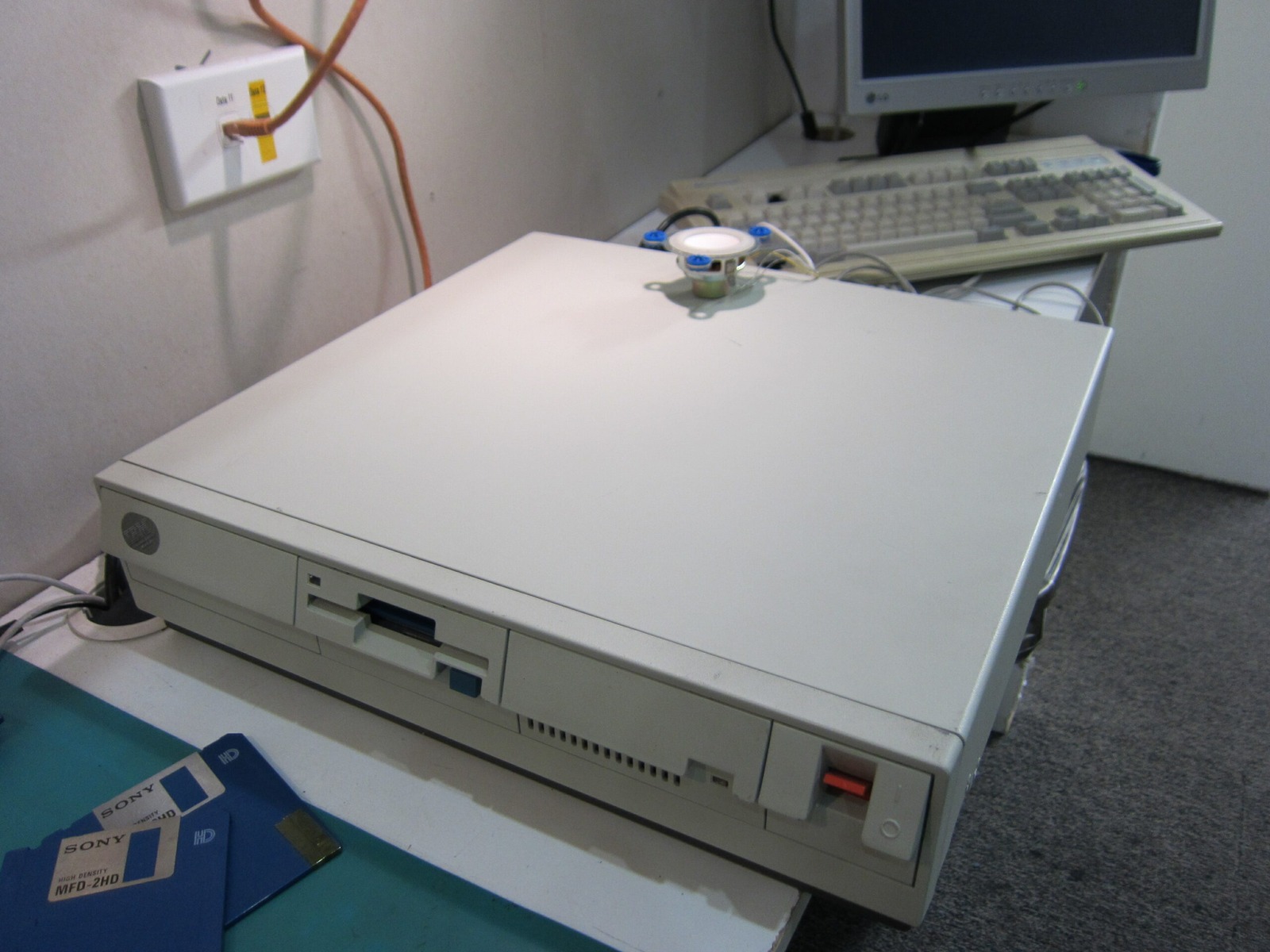
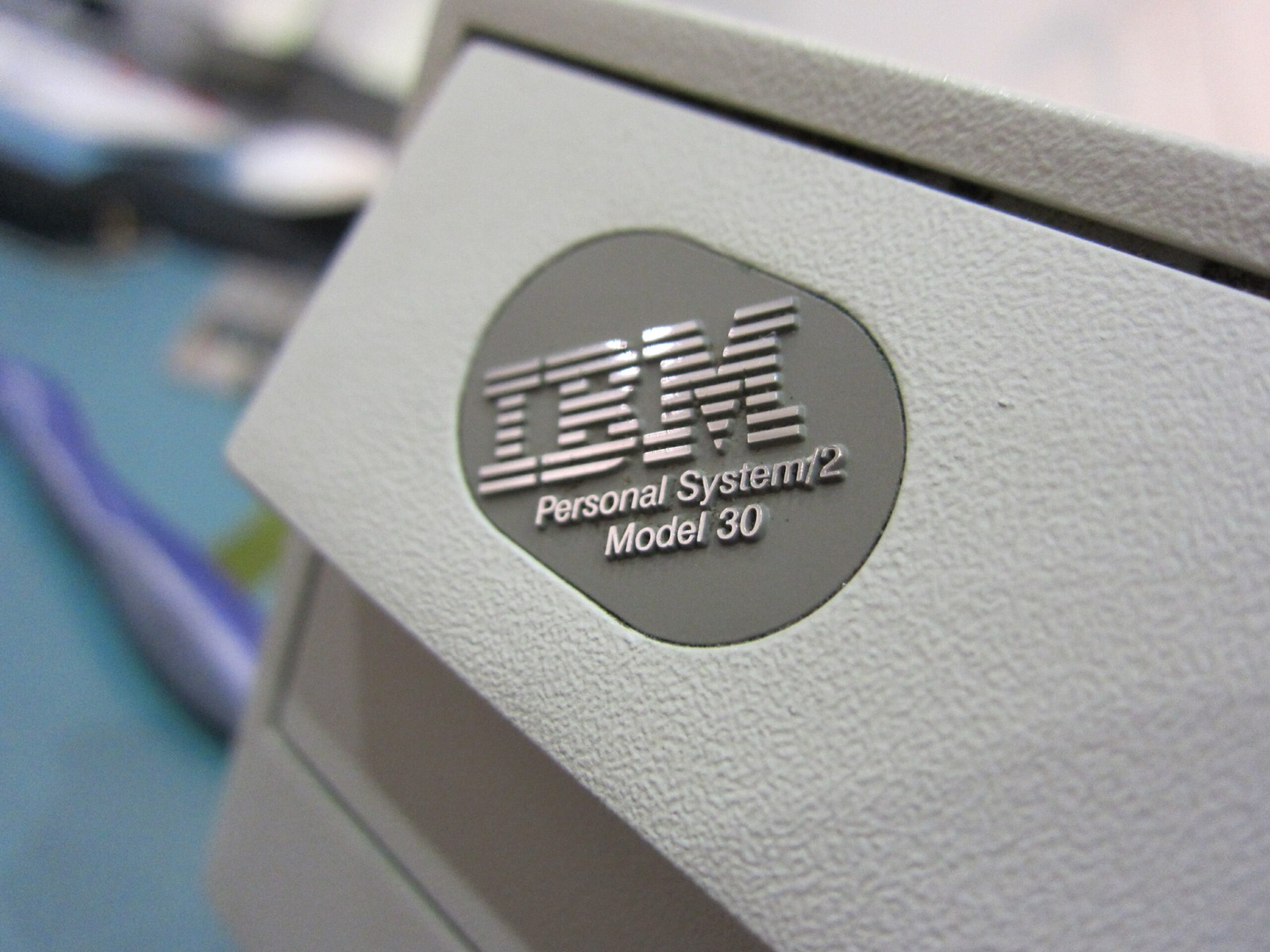
Here’s my IBM Personal System/2 Model 30, the original 8086-based machine rather than the later Model 30 286. It’s quite a lovely little computer, with an enormous power switch, a 720 KB floppy drive and a 20 MB hard drive that unfortunately isn’t behaving particularly well.
The hard drive has developed so many bad sectors that its defect table filled up during testing. That’s not a particularly encouraging sign, but the floppy drive still works, so I’ve got something to experiment with.
This is a type 8530-021, and the machine has some interesting historical details. The casing carries markings from April 1987, and the label on the rear identifies IBM Australia Limited at Wangaratta. It’s rather nice finding an IBM computer manufactured here in Australia.
Around the back are the familiar PS/2 keyboard and mouse connectors, expansion slots and video output. The original machine uses an 8 MHz Intel 8086 with 640 KB of RAM and 8-bit ISA expansion. The case also has a lock and plenty of ventilation, all wrapped up in IBM’s rather distinctive styling.
I’ve installed a Creative Sound Blaster 2.0, specifically the 8-bit CT1350B, which works quite happily in this machine. There also appears to be a tape-controller card that came with the computer, although I haven’t fully investigated it yet.
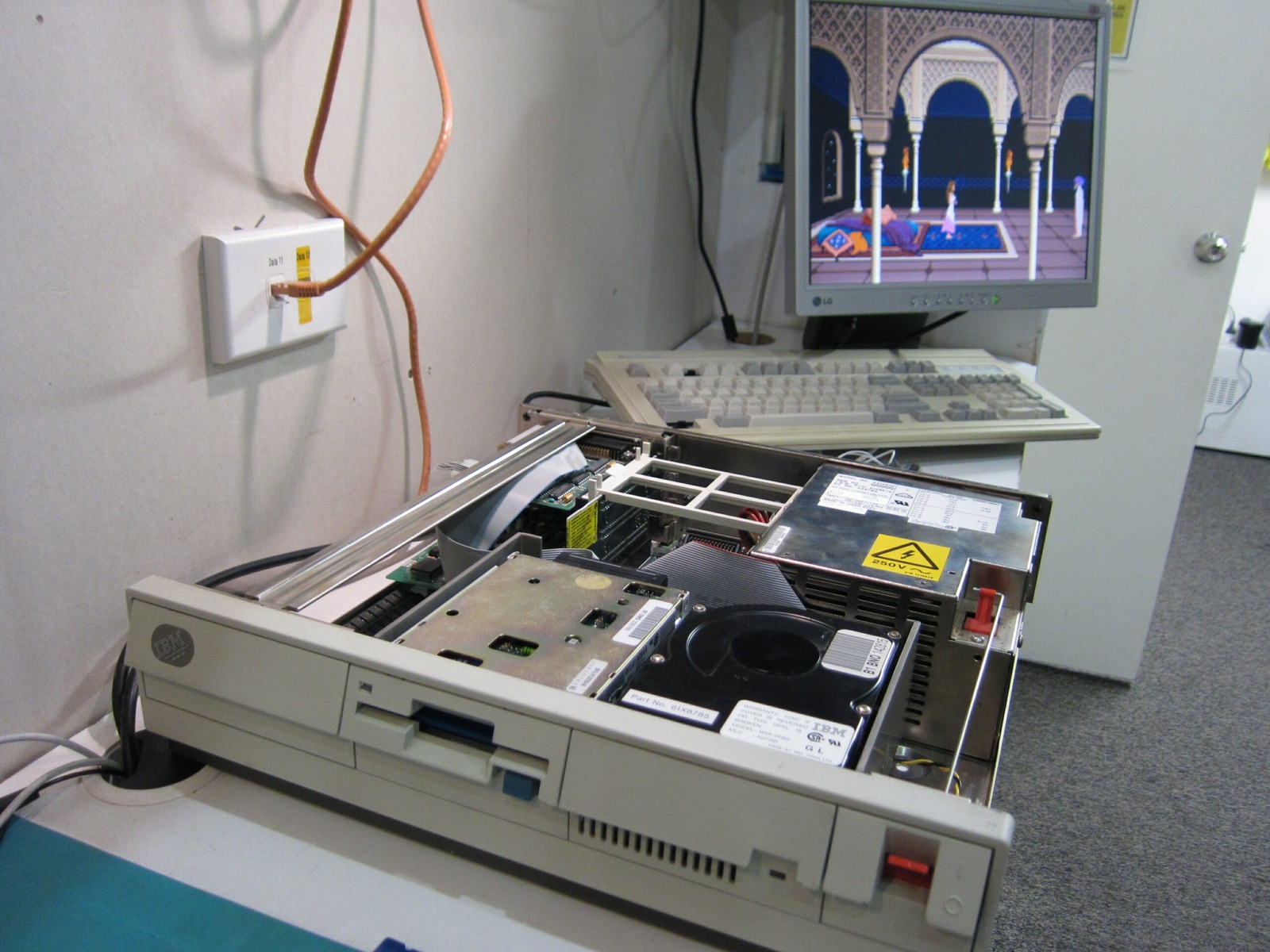
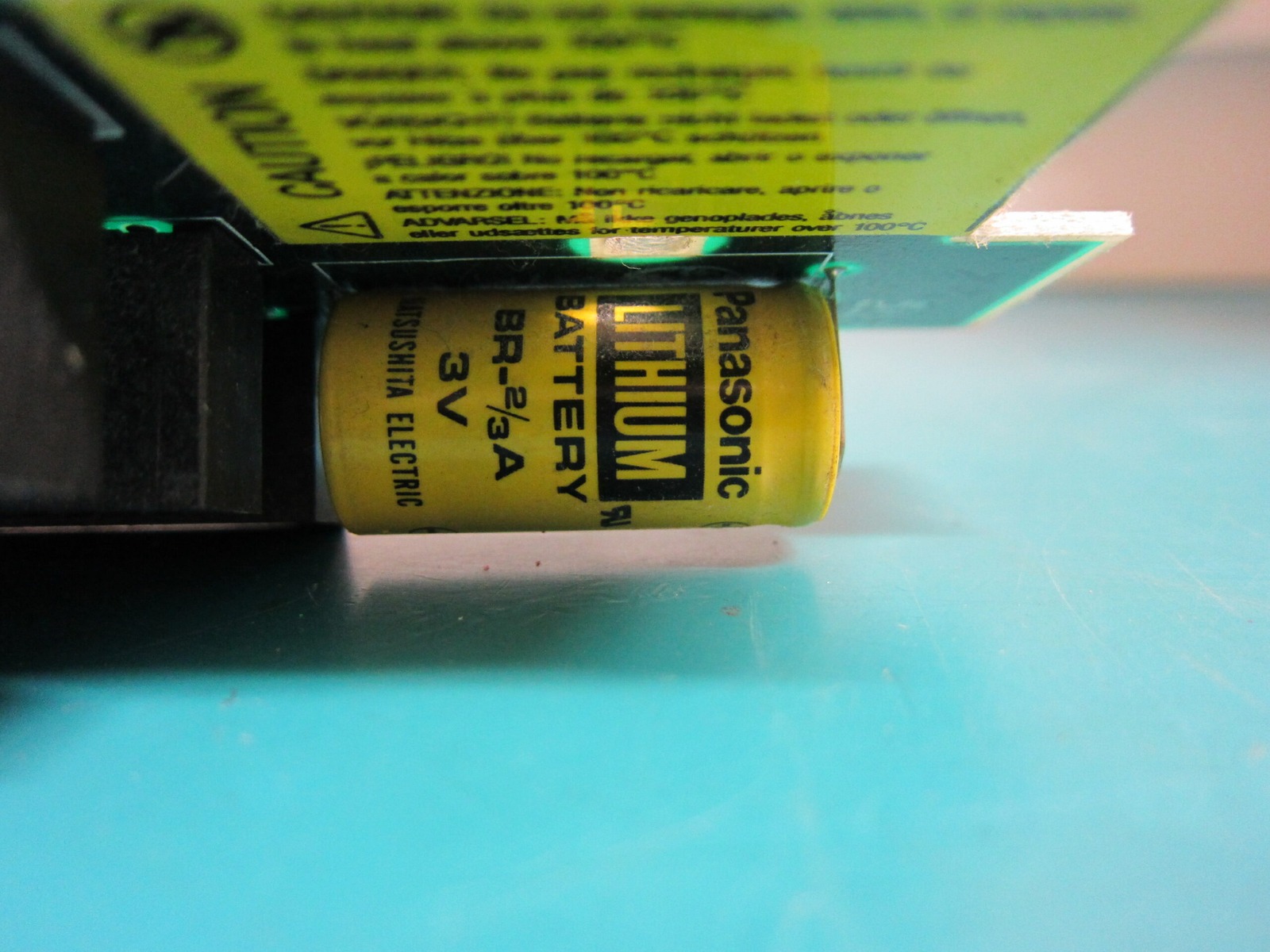
Here’s another quick look at the Model 30 while it’s partly disassembled. Inside is a large yellow lithium backup battery, the processor and coprocessor socket, and the expansion hardware. Surprisingly, that original battery was still measuring around 3 V after more than 25 years, although I haven’t tested how much capacity it actually has left.
I originally bought this machine partly to compare it with the Sega TeraDrive. Unfortunately it wasn’t the 286-based Model 30 I’d hoped for, so the hardware isn’t quite as closely matched. There are still some interesting similarities, particularly around the storage connectors and the way power is supplied to the drives.
And here’s Prince of Persia running with the Sound Blaster installed. I didn’t have proper speakers handy, so I made do with a pair of iPod earphones for the test. The game works nicely, even if the audio arrangement isn’t exactly ideal.
Finally, a quick look at Space Harrier. It’s certainly playable in the sense that the game runs, although the frame rate gives me plenty of time to think about my next move. The real challenge turned out to be working out how to stop the game once I’d finished!
There are plenty more photographs in the photo gallery, and I’ll be taking a closer look at the internals and possible upgrades in the related articles.
Related Posts
Sources
- IBM Files - PS/2 Model 25 and Model 30 - documents the original Model 30 architecture and available storage configurations.