 Nix McRetro

Ahhh yes, health. For long time readers of this blog, you’ll know that I’ve done some weight loss a few times in the past - all in the name of health. I’ll have an update on that in a future blog post. Today though, I’ll be going through some data I’ve collected on my sleeping patterns.
Lack of employment is arguably one of best life changes one can enjoy, if one can afford it. I’ve been saving for time off for a couple of decades now so I am ready. What do you know, a redundancy was served at the end of June. I now have time to improve my health. While my sleep hygiene has traditionally been alright, lately it has not been nearly as good as it once was.
One of the most annoying things I’ve been encountering intermittently over the past eight years is night sweats. When looking at the potential causes there were a few I could rule out pretty quickly. A few stuck there though, anxiety/stress, medications, and sleep disorders such as sleep apnea.
Anxiety and stress are always there. As far back as 2015, I’d blamed medications such as pregabalin, diazepam, or whatever anti-depressant I was on. Most anti-depressants (SSRI and SNRI) cause sleep bruxism for me and is why I end up ceasing treatment. But what if we were wrong and there was another underlying cause? Could sleep apnea be the root of some of my issues?
Sleep apnoea was one possibility I wanted investigated, especially because disrupted breathing and repeated arousals can disturb sleep. But night sweats, poor sleep and noises on a microphone are not enough to diagnose it or establish it as the root cause. I believed it was worth further investigation, so I slapped my MacBook Pro on a fold-out table next to my bed and recorded a few nights of sleep.
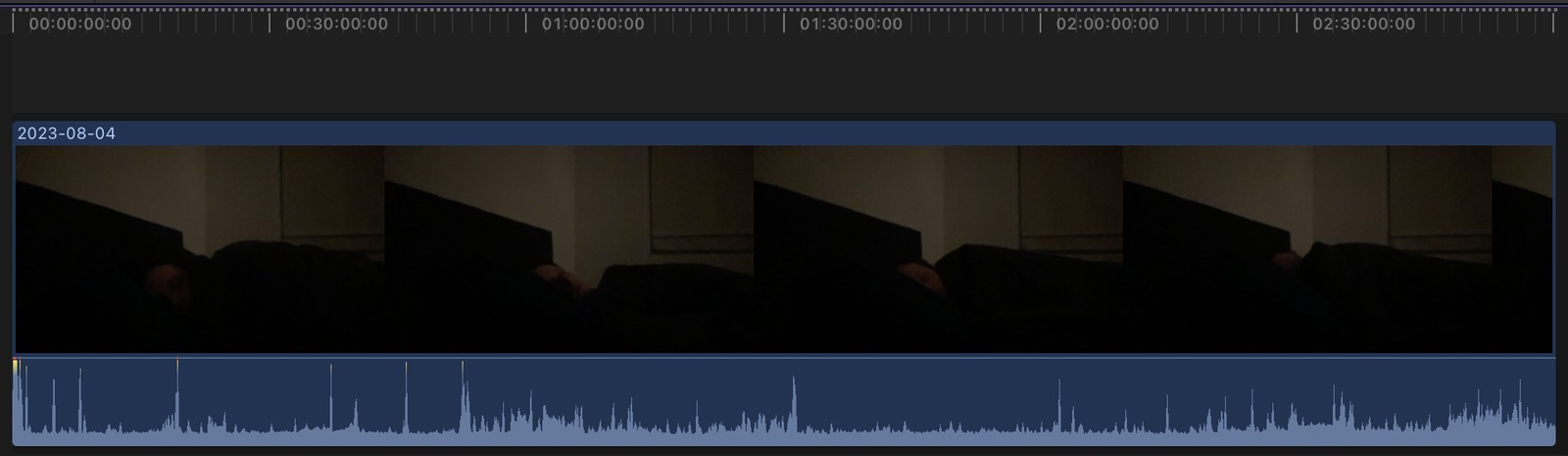
Three hour sample. Recorded with the built-in microphone on my MacBook Pro.
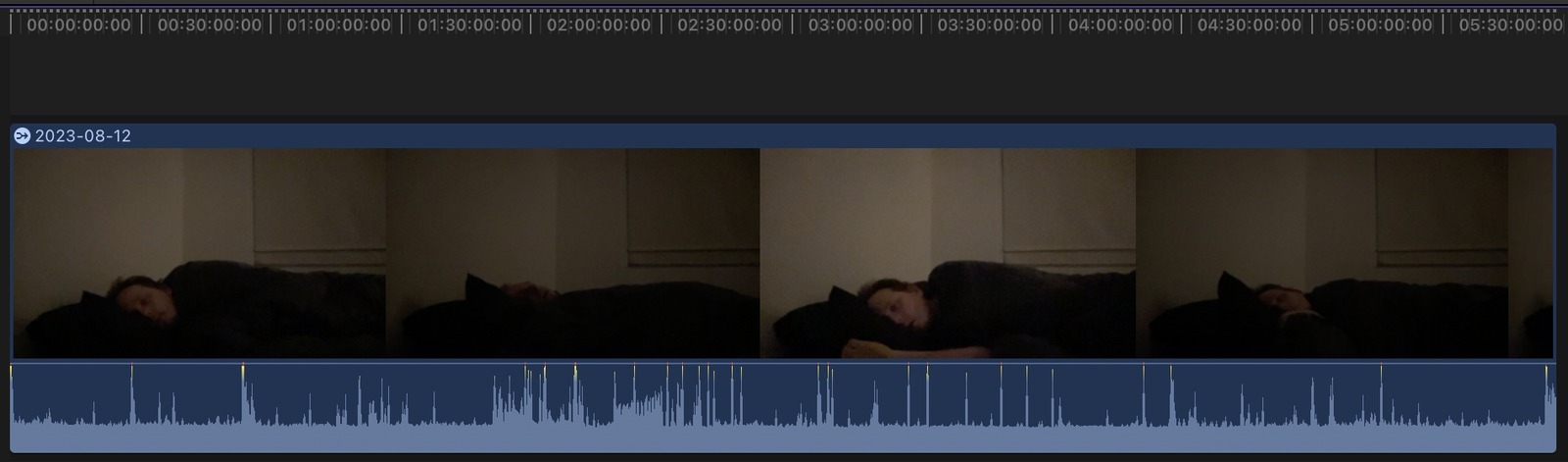
Six hour sample. Recorded with a Blue Yeti Nano microphone.
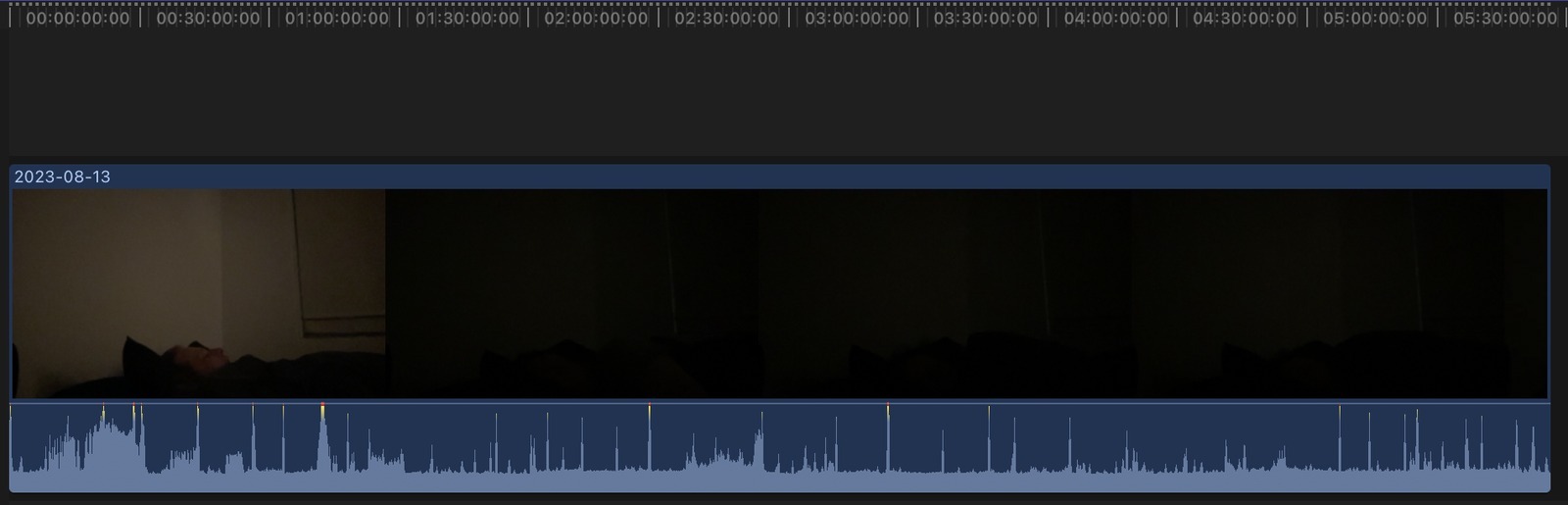
Another six hour sample. Recorded with a Blue Yeti Nano microphone.
Alright, so we have some data. I’m using Final Cut Pro X to analyse the audio since it’s what I have on hand. I boosted the audio amplitude above baseline so the peaks were easier to see. They sounded like a mixture of snoring, movement, breaths and brief awakenings. An audio waveform by itself cannot tell me whether an event is an apnoea or what caused it, but it was enough to convince me that my sleep was worth investigating properly.
The sensible pathway in Australia was the one I had already started: report the problem to my GP and have a sleep study arranged if clinically appropriate. My practical problem was the wait. The bulk-billed services I contacted quoted close to a year, with shorter waits if I paid the gap.

What the hell is wrong with our system? Those who need to use bulk-billed services should be prioritised. How is this not the case? I am disgusted that this is even an issue in a modern society.
Because CPAP machines could be obtained without the US-style prescription barrier I had been reading about, I was tempted to experiment while waiting. That availability does not turn a CPAP trial into a diagnosis, and my biomedical-science background does not replace a sleep physician or a sleep study. Let’s zoom in and look at these peaks a little closer on a smaller time scale.
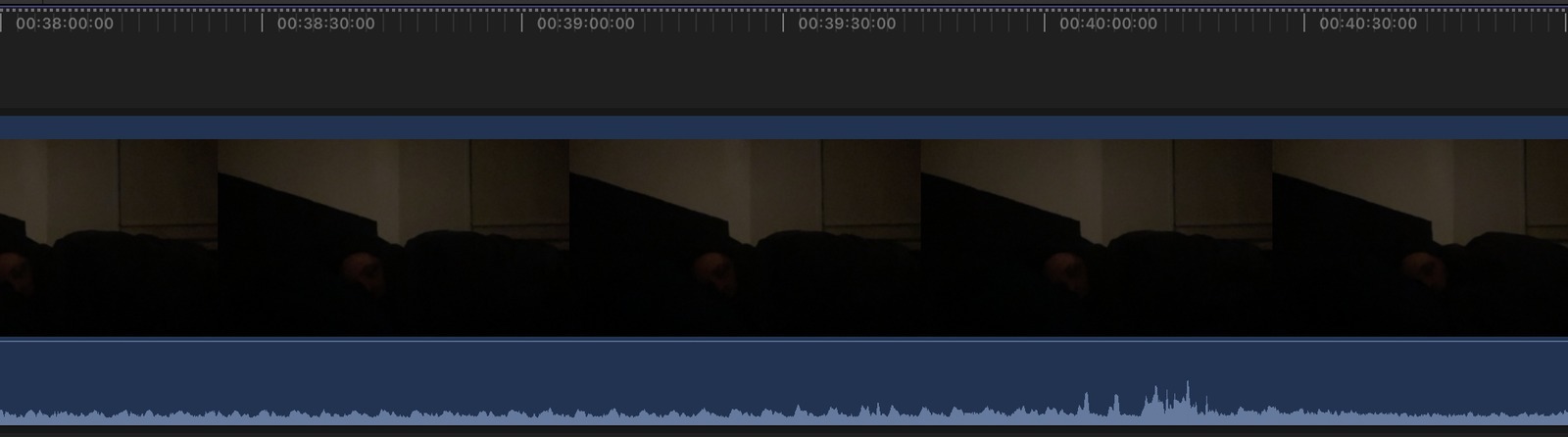
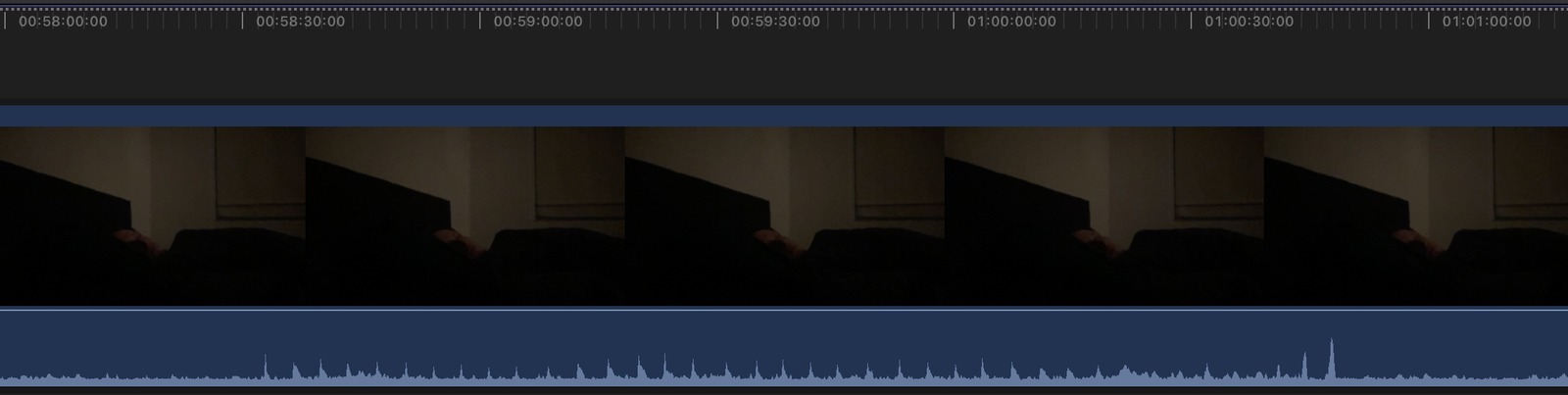
The above two were captured on 3rd August and you can see that I have the potential to be a great 1-bit groovebox but that’s not what should be happening. Remember, the two are the lower quality samples owing to the MacBook Pro built-in microphone being ordinary. Let’s look at some higher quality data from the 12th and 13th August.
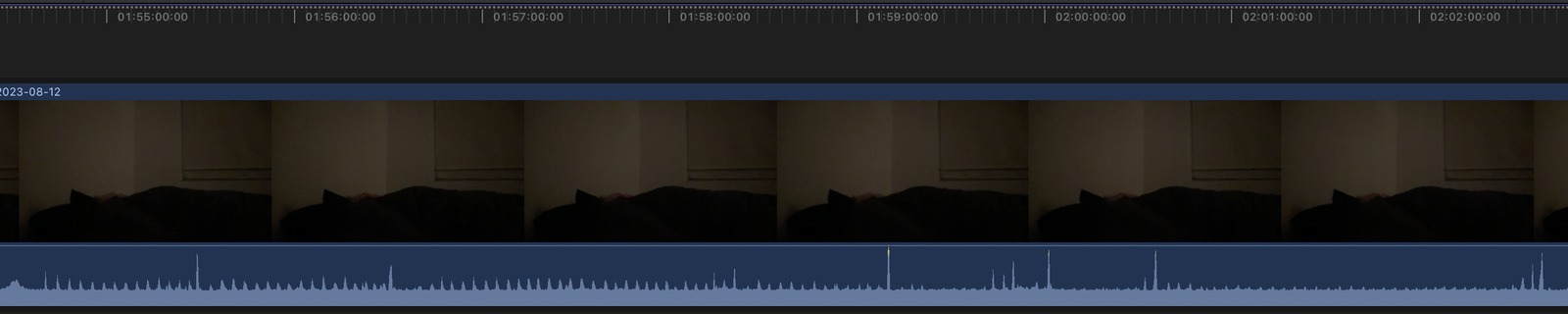
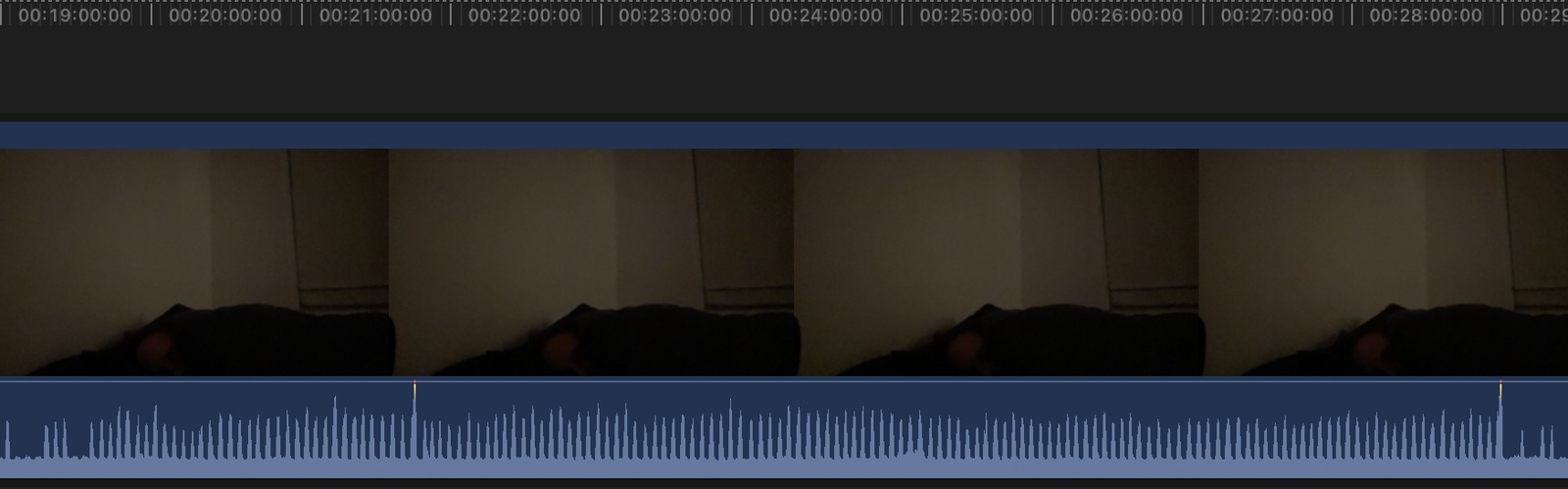
Yep, there’s nothing good happening there! The time scales are seven and nine minutes respectively. After looking around I can see that these machines aren’t cheap. An electric pump and an algorithm for $1000+. Computer says no, bank account says no. Especially as I am running on a trial and error basis here. Maybe there’s another way.
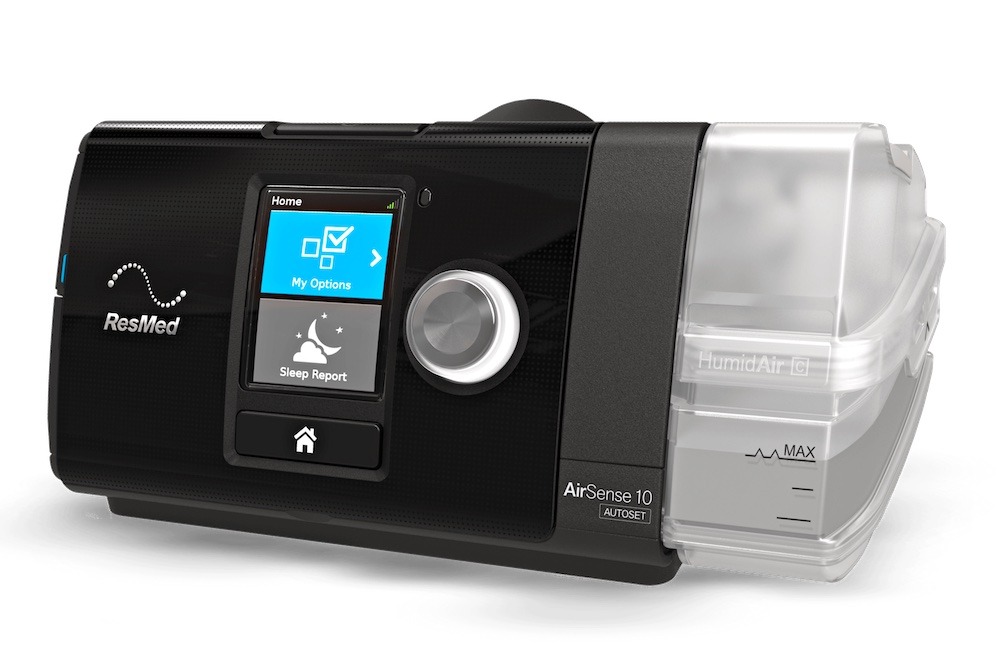
Well what do you know, I could trial a ResMed AirSense 10 AutoSet for the cost of only a few big meals each week. I arranged a short trial while I waited, mainly to see whether I could tolerate the equipment and whether anything useful emerged to discuss with clinicians. I was not treating the machine’s output as a substitute for a formal diagnosis. Biggest issues were probably going to be mask type, mask fitting and exhaling against the machine.
I could honestly research these for years, the end result being analysis paralysis with no device ever materialising. For now, I wait for the trial ResMed AirSense 10 AutoSet CPAP hardware to arrive and hope I picked a suitable mask. Here’s to a good night sleep at some point in the future? Time will tell! 😴
Next: Sleep Hygiene and Sleep Health - The Data