 Nix McRetro
All those and more. We also have a new editor joining McRetro, focusing mainly on the Famicom. Please welcome Nick to the scene. He already has a Famicom on the way and is relatively new to the world of soldering and tinkering.
He was also voted most silent person in the two top-ranking Counter LED videos:
Some great news, some even better news and then some unreal news.
As you can see above, we have three new arrivals: a Sega TeraDrive Model 2, a Sega Mega Drive 2 and a Sega Genesis Nomad.
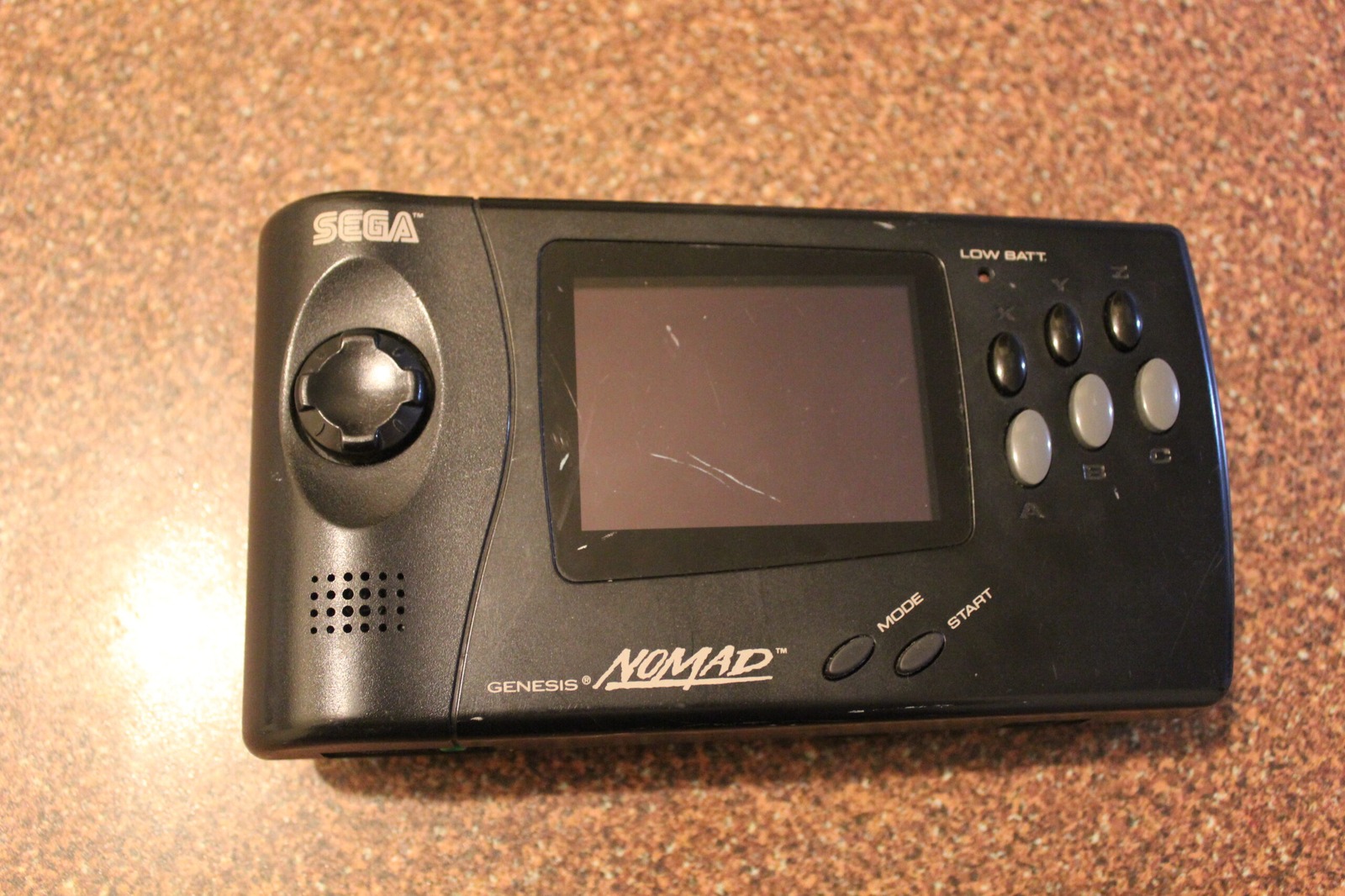
Sega Genesis Nomad
The Nomad is broken. No power from the AC adaptor and no power from the battery pack. I don’t have a GameBit to disassemble it at the moment. Good news, really, because it means I get to attempt to repair it. Will victory be mine?
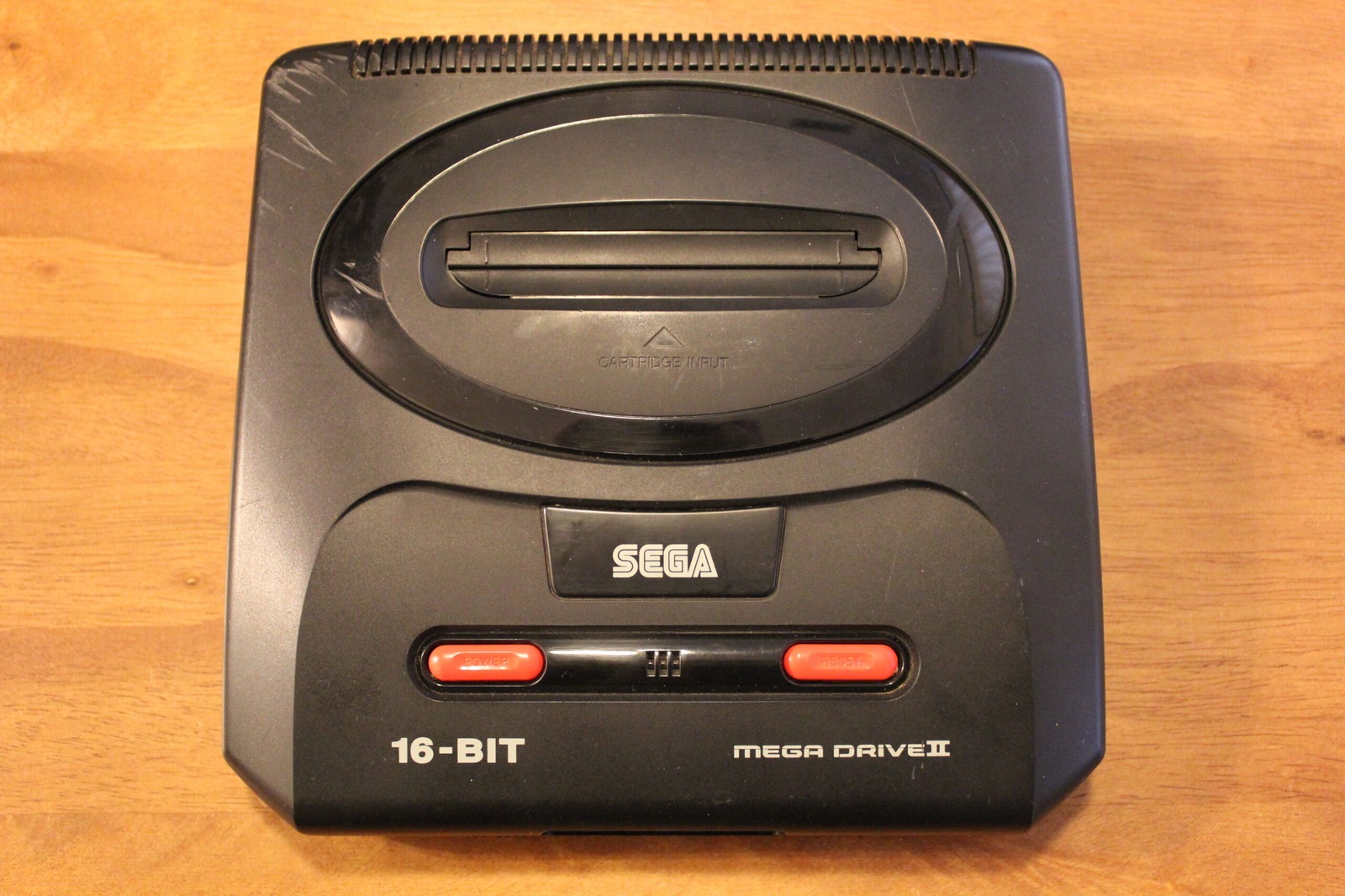
Mega Drive 2
Next up we have the Mega Drive 2. I had actually purchased a broken Mega Drive 1 to use with the Mega-CD/TeraDrive expansion connection and to scrounge together some parts for my more prized High Definition Mega Drive 1. The seller had other intentions and sent me a Model 2 instead. I contacted them and they are sending the Mega Drive 1 up to me, while telling me to keep or throw out the Mega Drive 2. Small victories!
TeraDrive Model 2
Last but certainly not least, the Sega TeraDrive Model 2 has been tested and the PC side works well. Both floppy drives are functional.
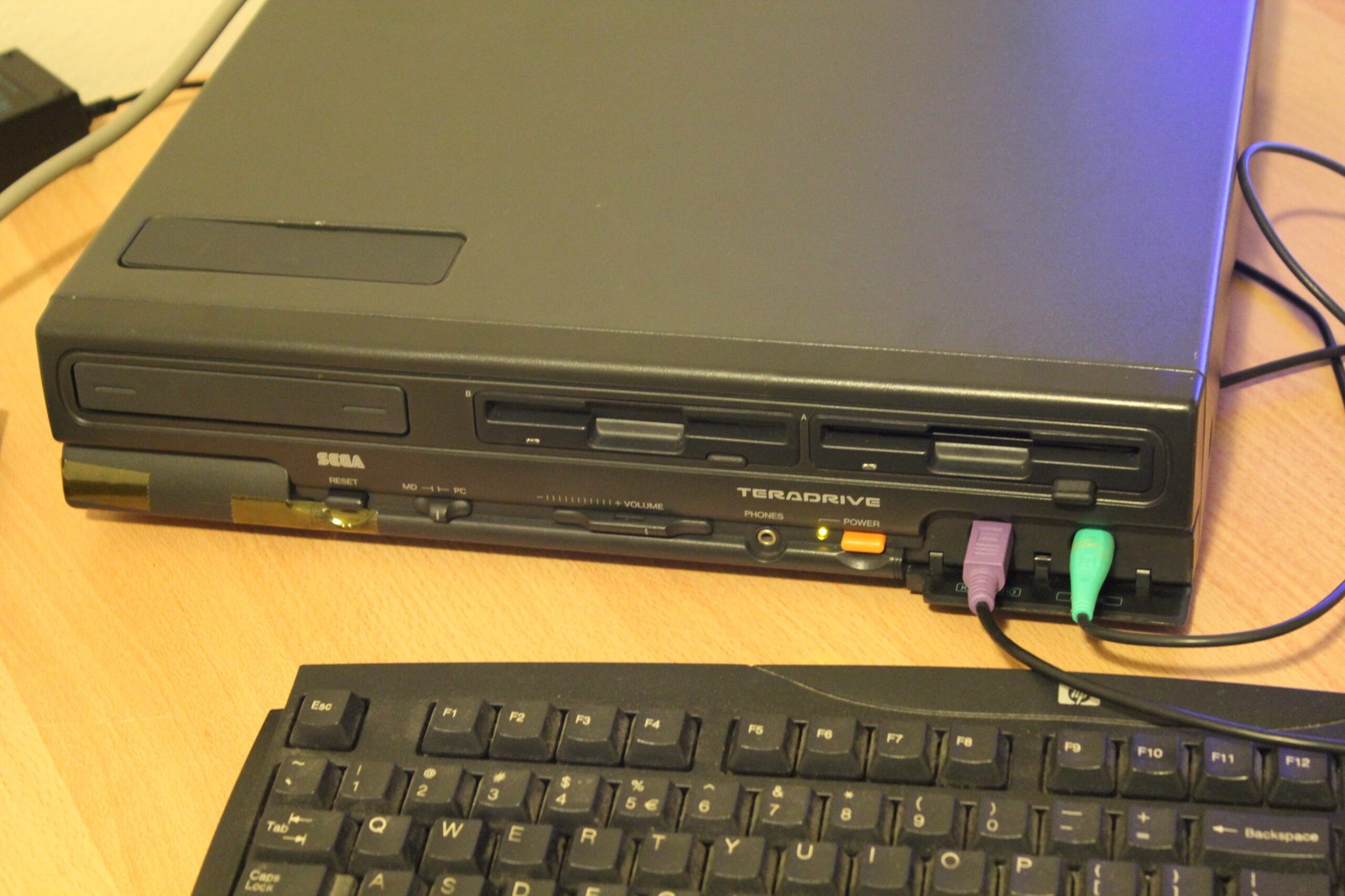
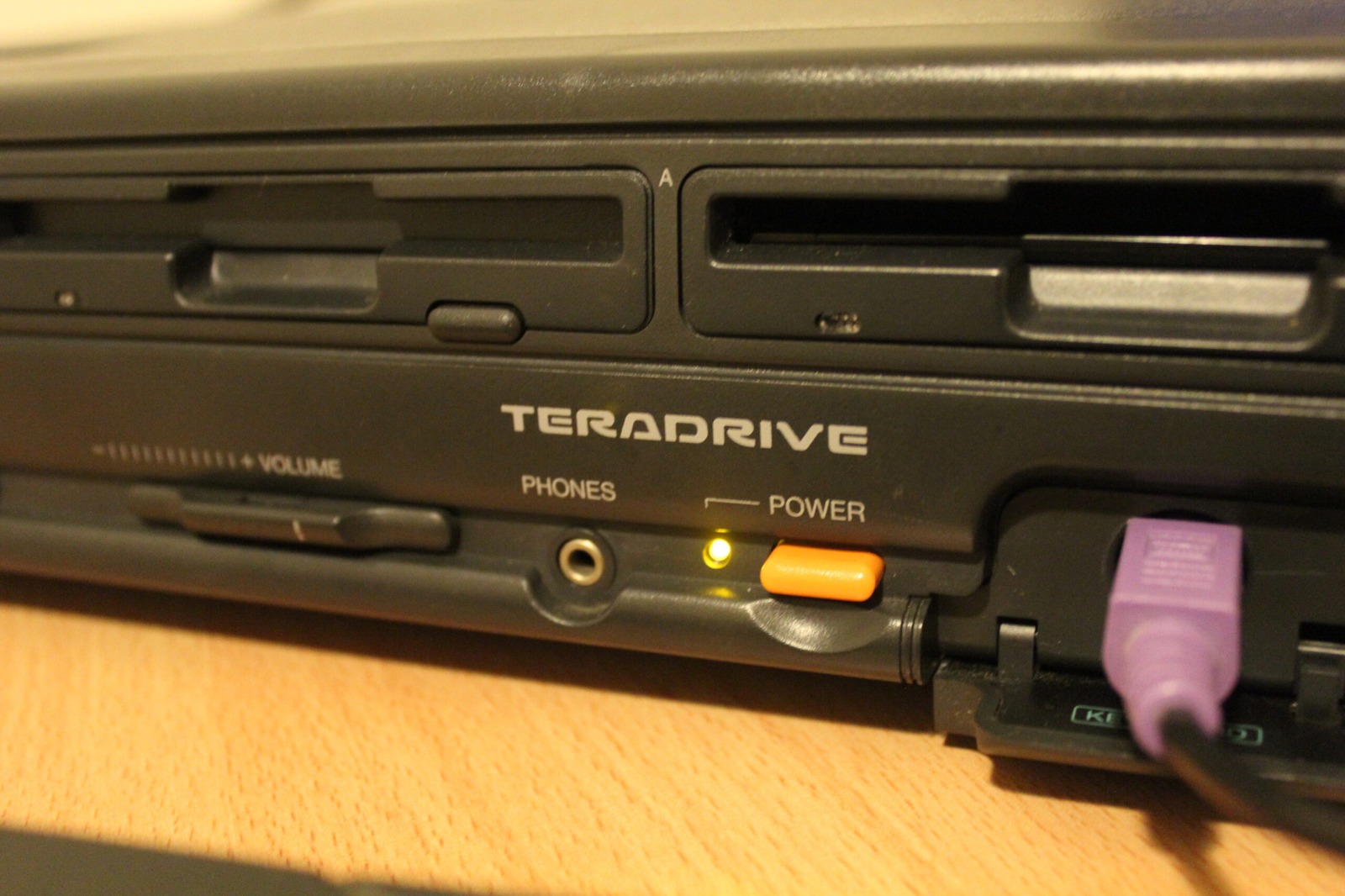
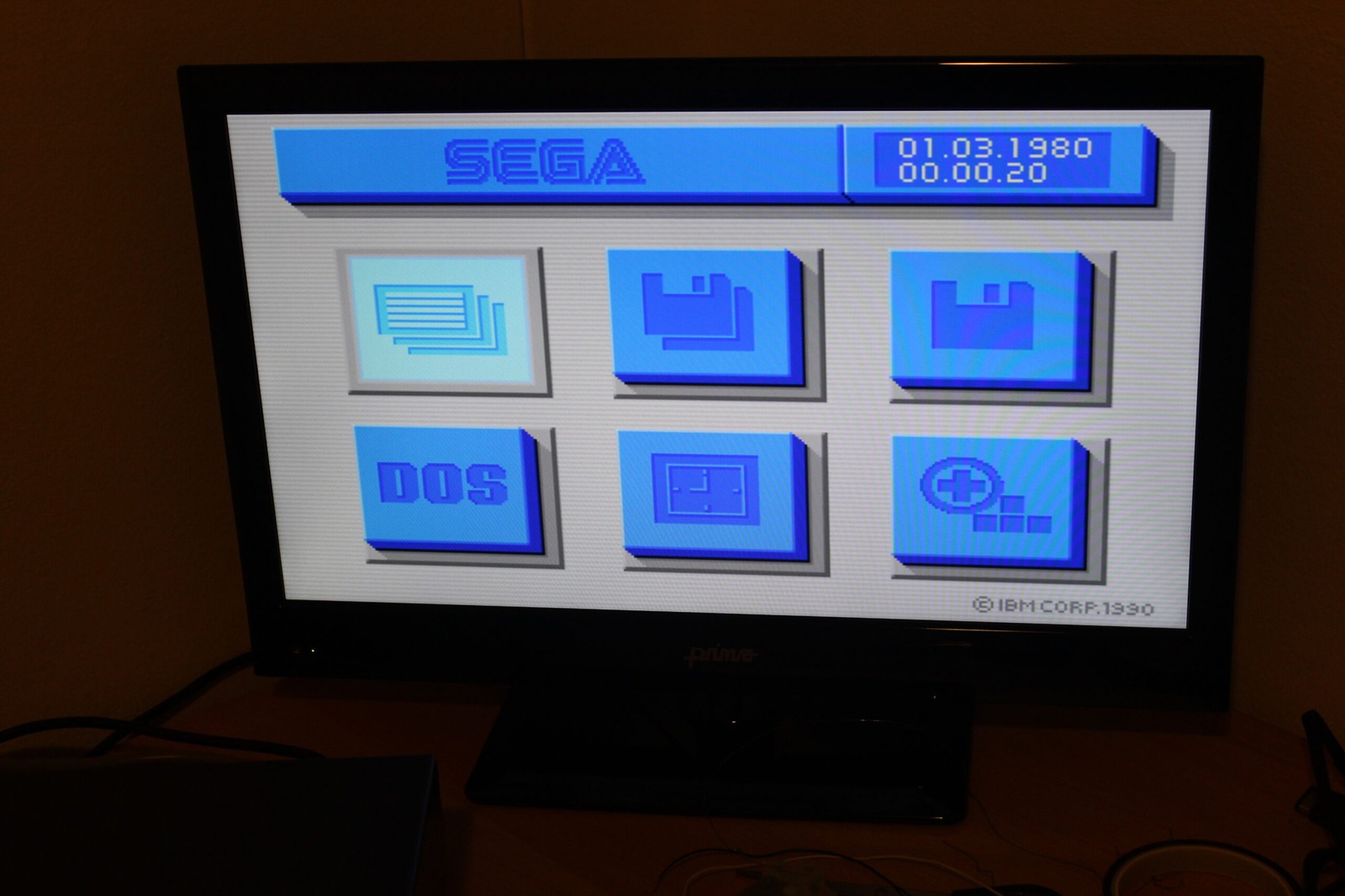
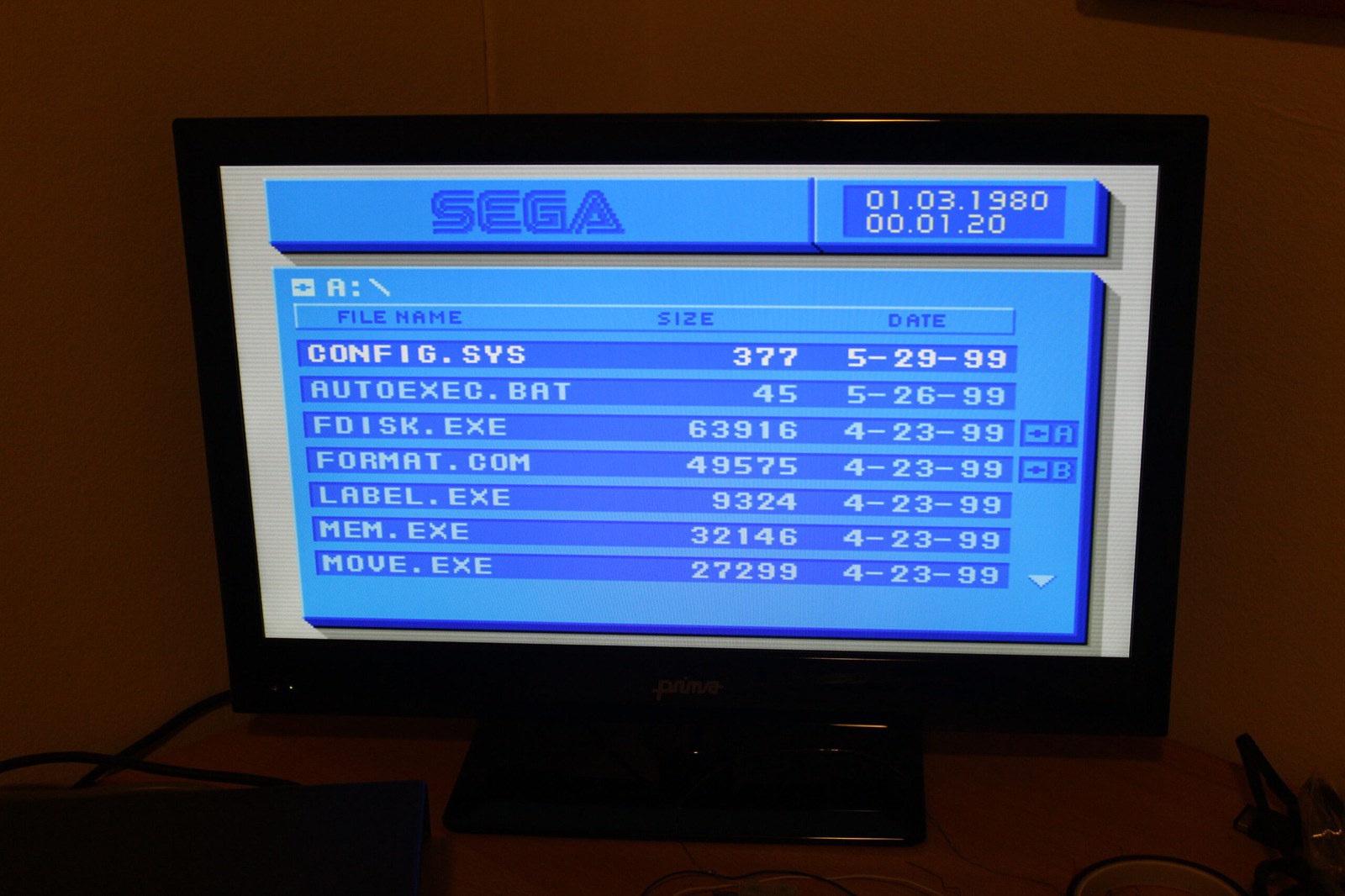
Sega’s own specifications describe the Model 2 as having 1 MB of RAM, two 3.5-inch floppy drives and no internal hard drive. The system provides both 15 kHz and 31 kHz analogue RGB output as well as composite video.
At this point I had not yet tested the Mega Drive side with my available display setup, so that part remained unverified. I needed to sort out a suitable display or converter arrangement for the 15 kHz video side.
I’ve also uploaded some of the flyers and the quick-reference guide that came with the TeraDrive. They’re over in the photo gallery.
Related posts
- Humble Beginnings: Nintendo Famicom Incoming
- Sega TeraDrive Demo - Sonic 1 and Sega Menu
- Sega Genesis Nomad DC-in Jack Repair
Sources
- Sega Hardware Archive - TeraDrive - Sega’s historical hardware page documents the TeraDrive Model 2 specifications and video outputs.