 Nix McRetro
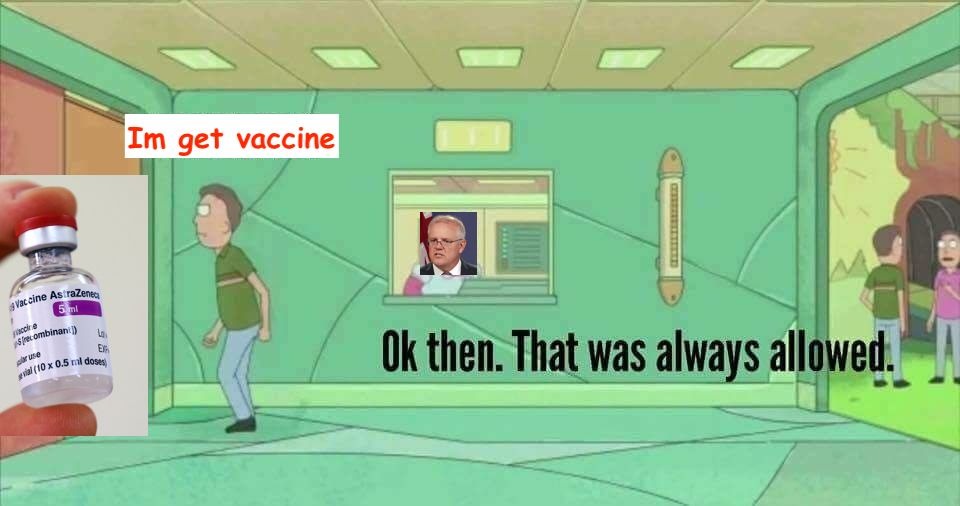
Well, I’m on the way to having some vaccination powers. I now need my immune system to do its thing, then in just 12 short weeks I can get dose two. For me, AstraZeneca was my weapon of choice after weighing the known risks. The rare complication was thrombosis with thrombocytopenia syndrome (TTS), involving unusual clotting and low platelets. Something, something platelet factor 4 (PF4): antibodies against it were found in many cases. There were similarities to heparin-induced thrombocytopenia, but this was a distinct syndrome and the exact mechanism was still being investigated.
What annoys me the most is the politics of the damn thing. In late June, the federal government made it clear that younger adults could discuss AstraZeneca with a GP under informed consent, while ATAGI still preferred Pfizer for people under 60. Regulatory approval, ATAGI preference and access through a GP were different things, but good luck untangling that from the public messaging. If I’d understood my options earlier, I’d have looked into it much earlier. With Delta upon us, I wanted some degree of protection as soon as I reasonably could.
How long protection after infection or vaccination would last was still an open question. I was expecting boosters to become part of the picture. Regardless, I’m looking forward to washing my hair tomorrow morning when my arm will probably hurt like hell; it can’t be worse than a tetanus booster shot, right? 😁
Sources
- Australian Government - ATAGI and THANZ statement on TTS and AstraZeneca, 23rd May 2021
- Australian Government - Revised ATAGI AstraZeneca recommendations, 17th June 2021
- Australian Government - Greg Hunt press conference, 29th June 2021