 Nix McRetro
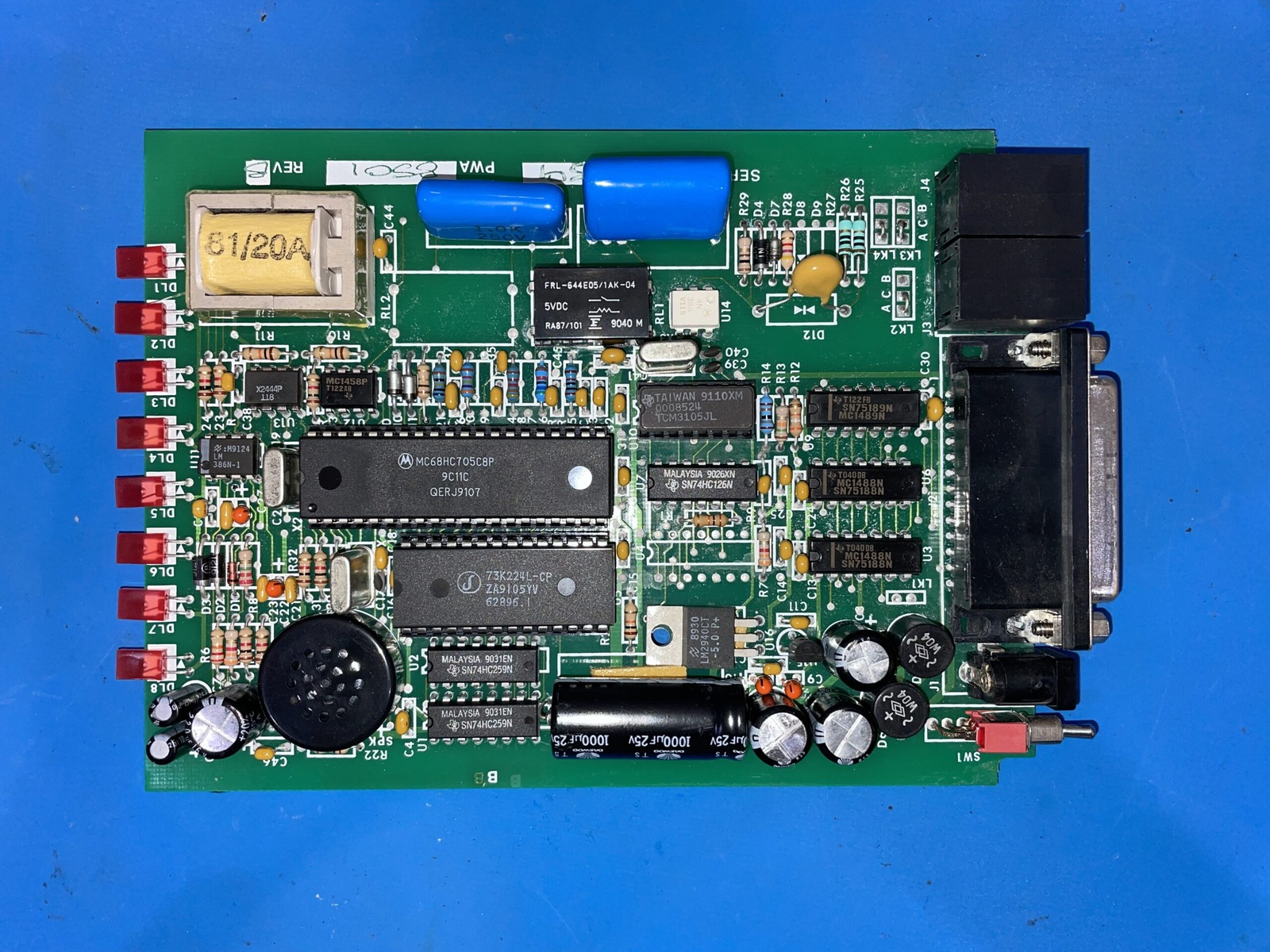
Back in May 2022 I picked up this modem, an Avtek Mega Modem 1234 (Serial 801452). It has a maximum speed of 2400 bps. I figured I would replace the capacitors and make sure it is A-OK. Nothing like looking inside and seeing bulging caps to reaffirm that preventative maintenance is important.
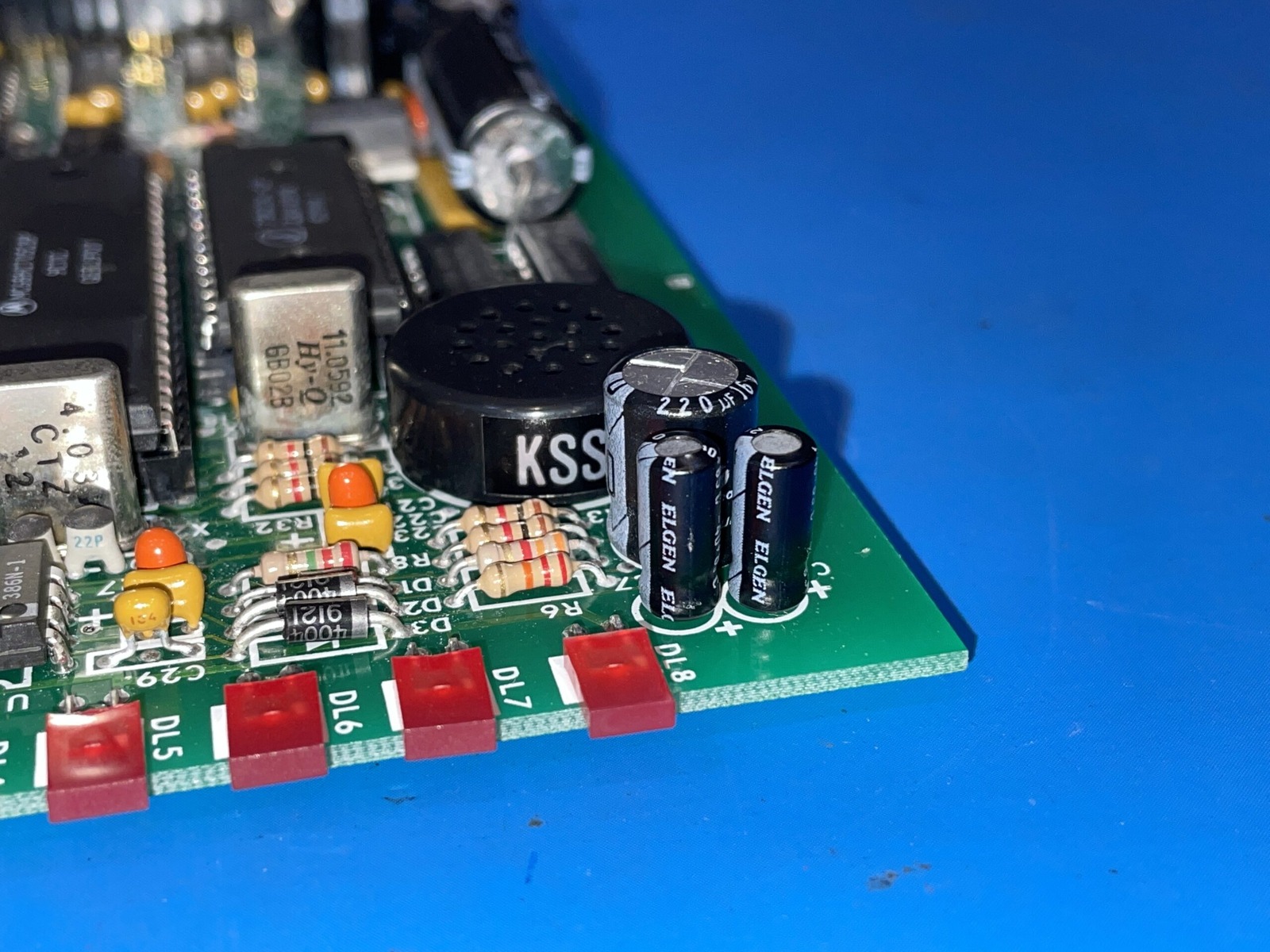
Elgen and Daewoo branded capacitors, brands before my time. All I know about Daewoo is that their cars used to be sold here in Australia for a period.
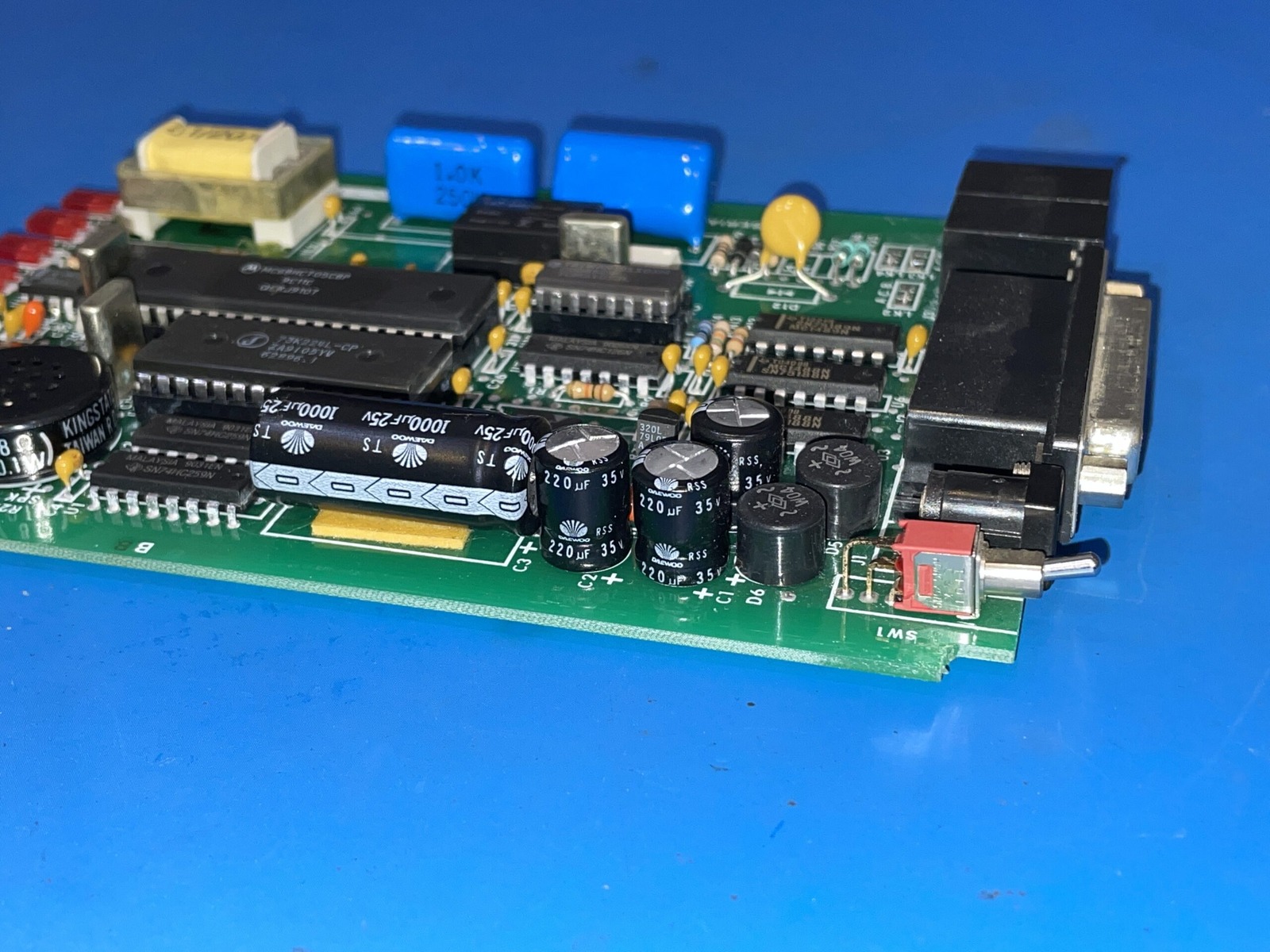
Geez, that Daewoo one doesn’t look too good. Haven’t seen a Daewoo car in years either, maybe they used the same capacitors in their cars. Lasting only a mere *does math* 1992 -> 2022 - that’s thirty years and they didn’t leak at least. Not a bad run I guess!
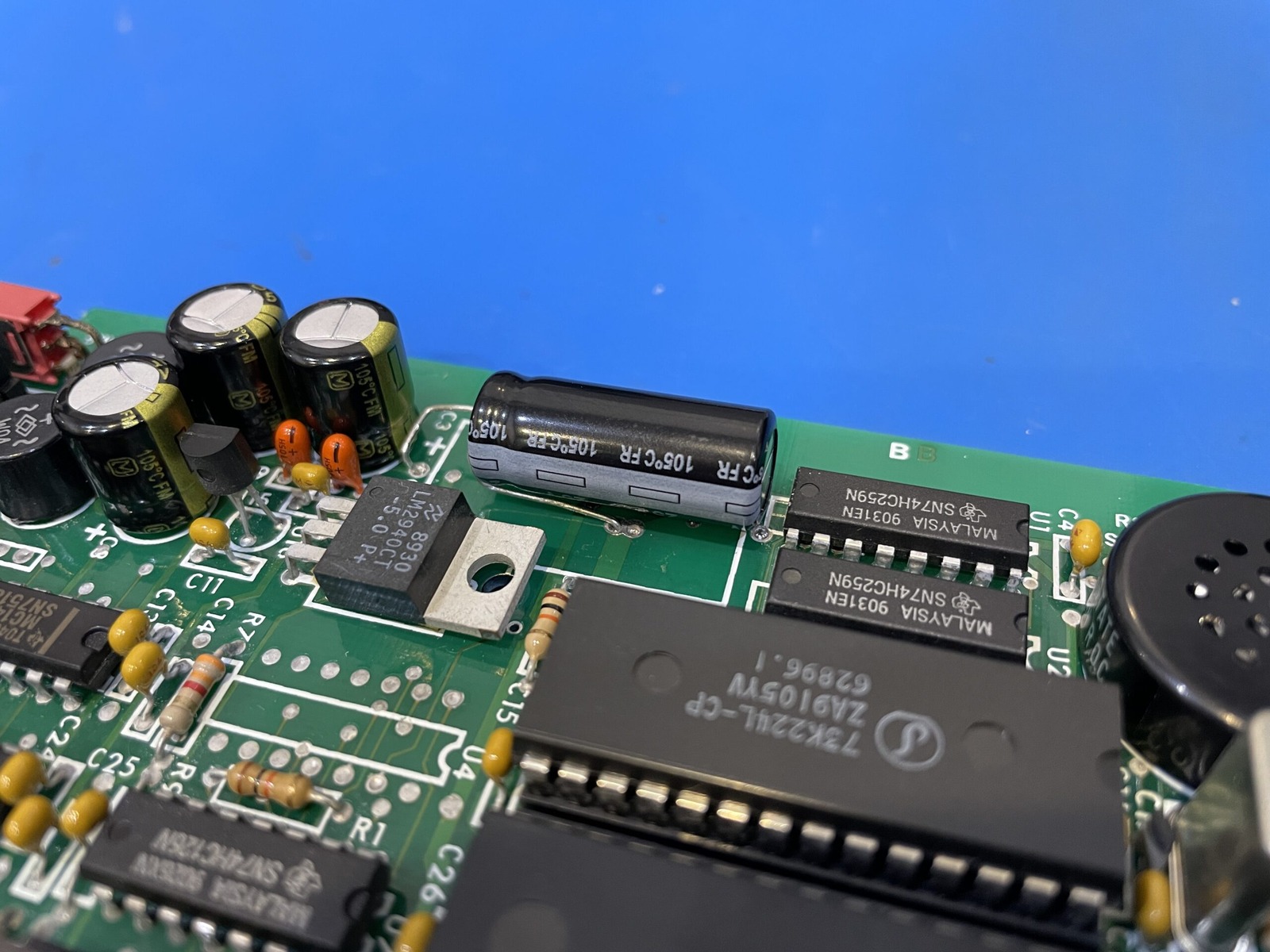
I didn’t keep very good notes on this one regarding capacitors. I’d put more photos in the photo gallery, though the gallery is currently offline. It looks like we replaced the failing caps with ones we had on hand in May 2022 - FM and FR series Panasonics.
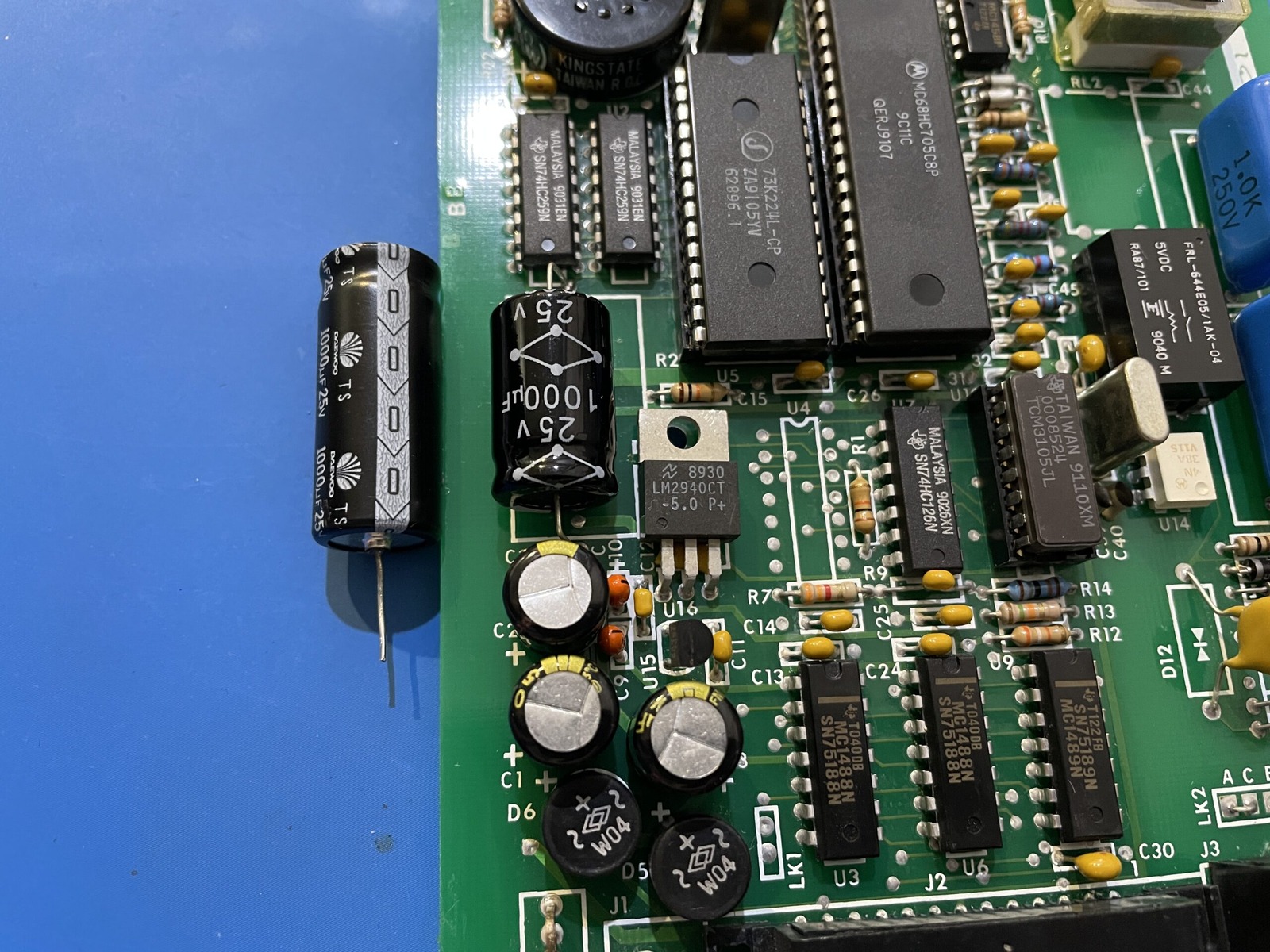
Then in July 2022 we went and replaced the FR series 1000uF with something a little more traditional (i.e. Axial). One big old MultiComp Pro MCAX25V108M13X22.
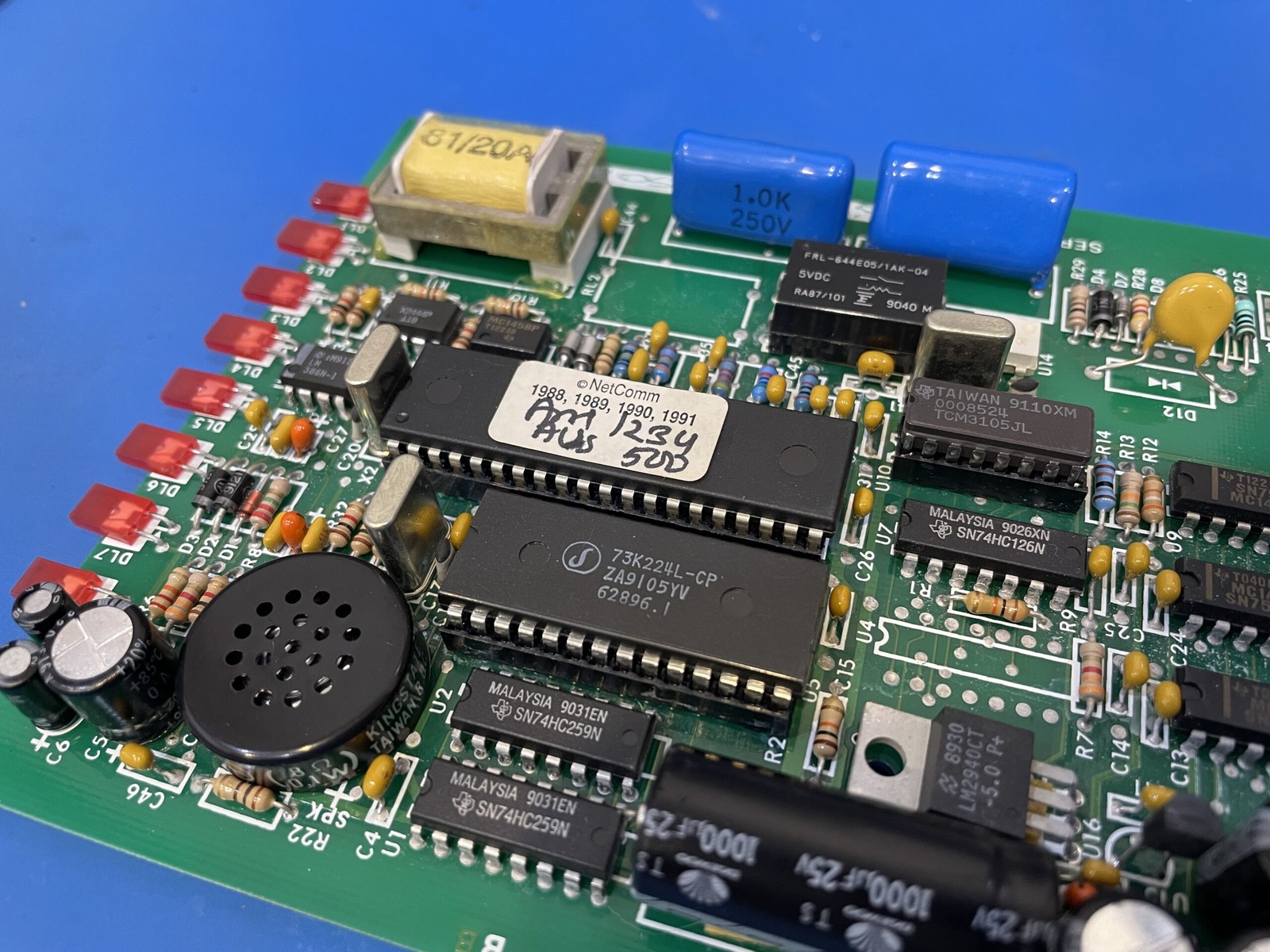
During testing the initialisation string used was AT&FS0=0V1X3. ATI9 identified the modem as AutoModem 1234PCi Vers 500m (C) NetComm 1991. This matches what the handwritten BIOS/firmware label said before it fell off… forever.
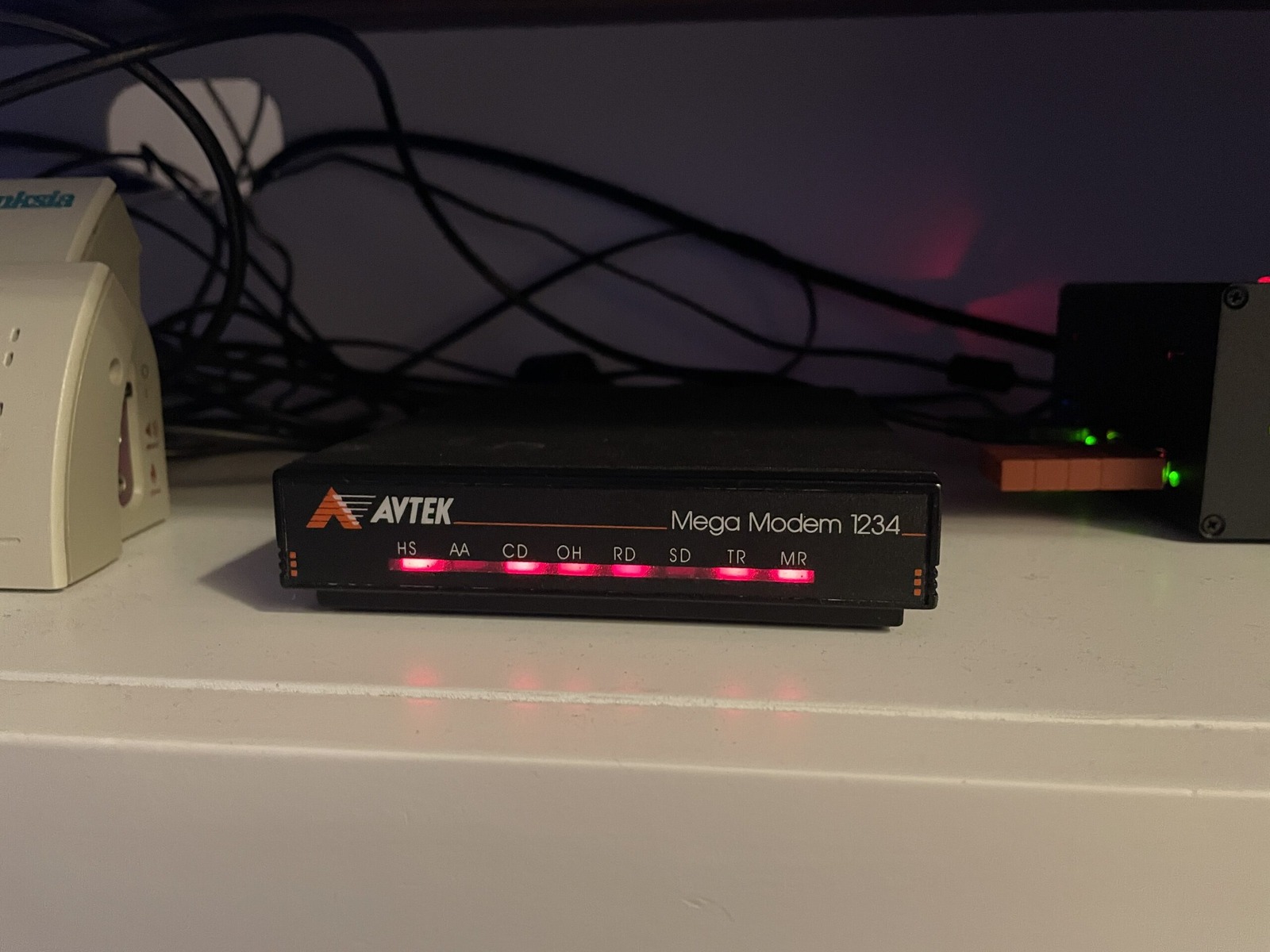
Interestingly, I couldn’t find an external model number beyond “Mega Modem 1234” on the front. At least that label survived, unlike the handwritten firmware sticker.
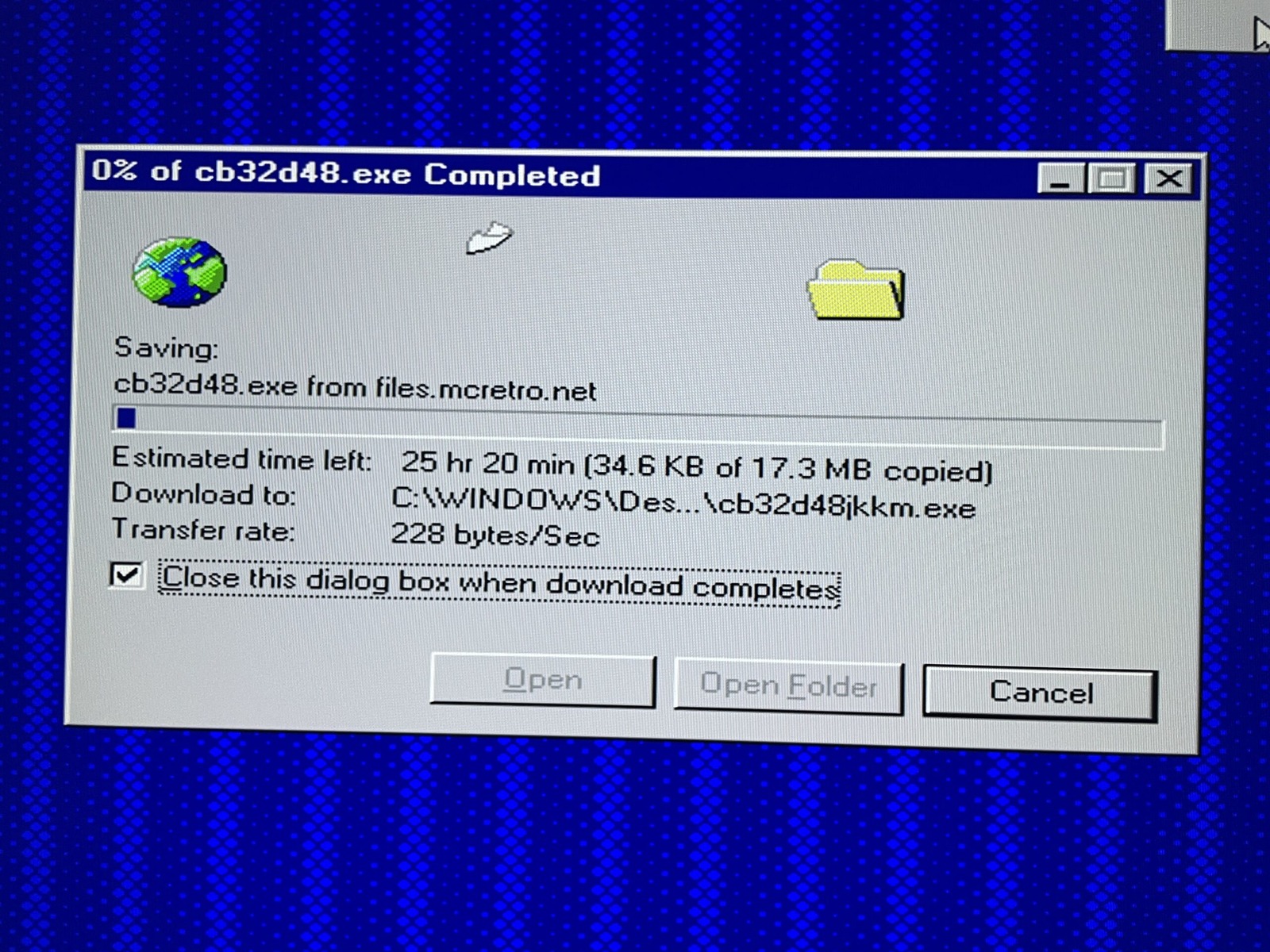
I had been calling it AM1234 because that looked consistent with some later NetComm naming, but I do not have evidence that AM1234 was this modem’s official model number. Better to preserve the label I can actually see: Avtek Mega Modem 1234.
Here’s a slightly older video showing the modem performing a blind dial and then a stable connection once the VoIP was configured… correctly, better, less worse. 😅 Slow and steady.
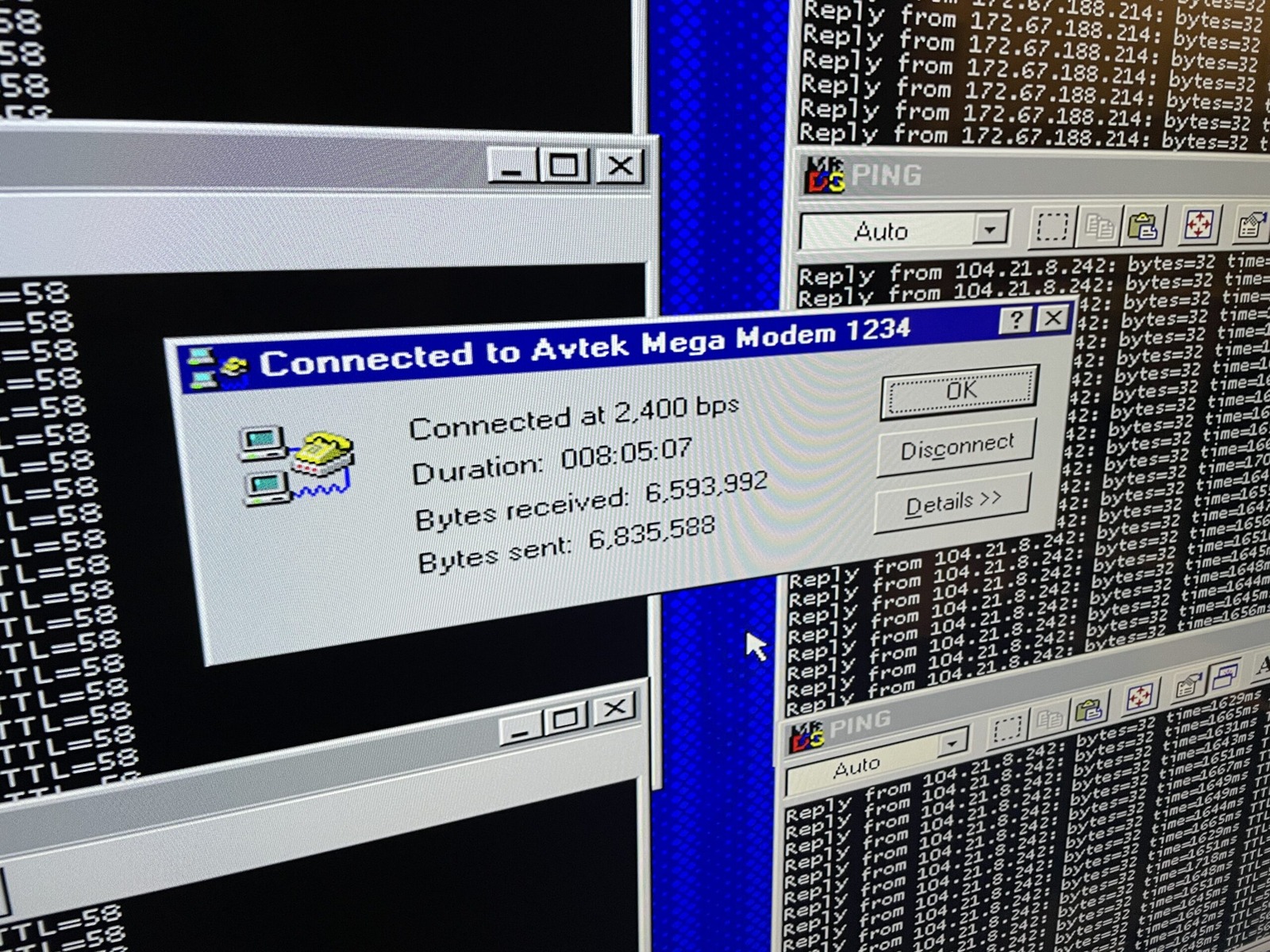
But geez, with a bit of patience I managed to clock roughly six megabytes in each direction during extended ping testing. No small feat for 2400 bps.
One important lesson this modem taught me: its 9 V AC input really wanted AC. With DC, some logic came alive, but the modem wouldn’t dial. It looked as though part of the analogue or line circuitry was missing the supply it needed. That’s what happened with this unit, not permission to try either DC polarity on every AC-input modem. The correct adapter for this one remains 9 V AC with a barrel-type plug.
Up last we have the logs from querying the modem.
---------- 2022-06-11 18:02:54 +1000: Logging Started ----------

ATZ
OK

AT&FS0=0V1X3
OK

ATI0
243
OK

ATI1
243
OK

ATI2
OK
OK

ATI3
243
OK

ATI4
243
OK

ATI5
243
OK

ATI6
243
OK

ATI7
243
OK

ATI8
243
OK

ATI9
AutoModem 1234PCi Vers 500m (C) NetComm 1991
OK

ATI10
243
OK

ATI11
243
OK

ATI12
243
OK

ATDT1234567890
CONNECT 2400
This modem has been donated to the Australian Computer Museum Society (ACMS). Hopefully it isn’t pilfered, left in a field or waterlogged… time will tell.