 Nix McRetro
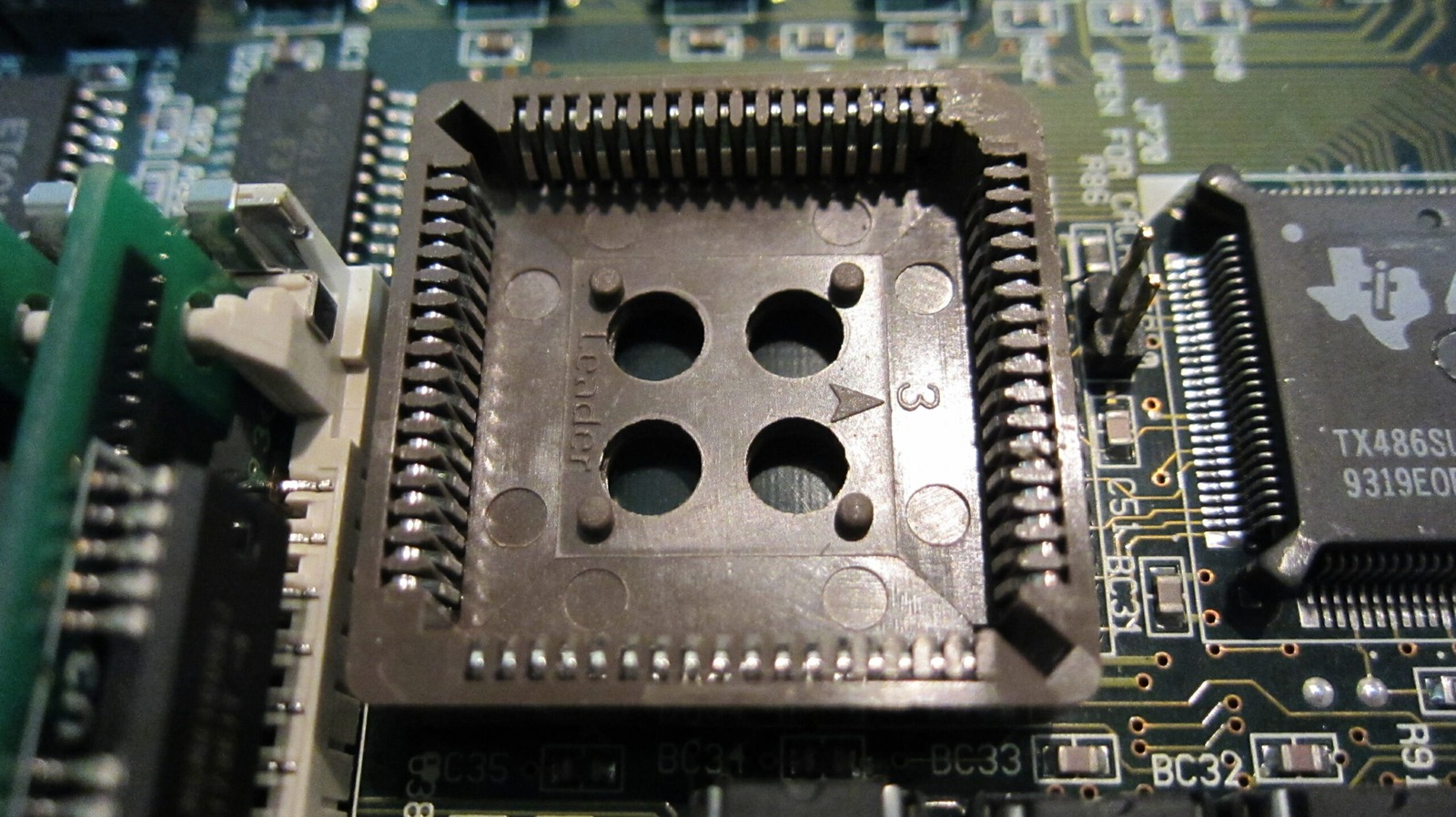
Or, more specifically, math coprocessors for the Amstrad Mega PC and my 486SLC upgrade.
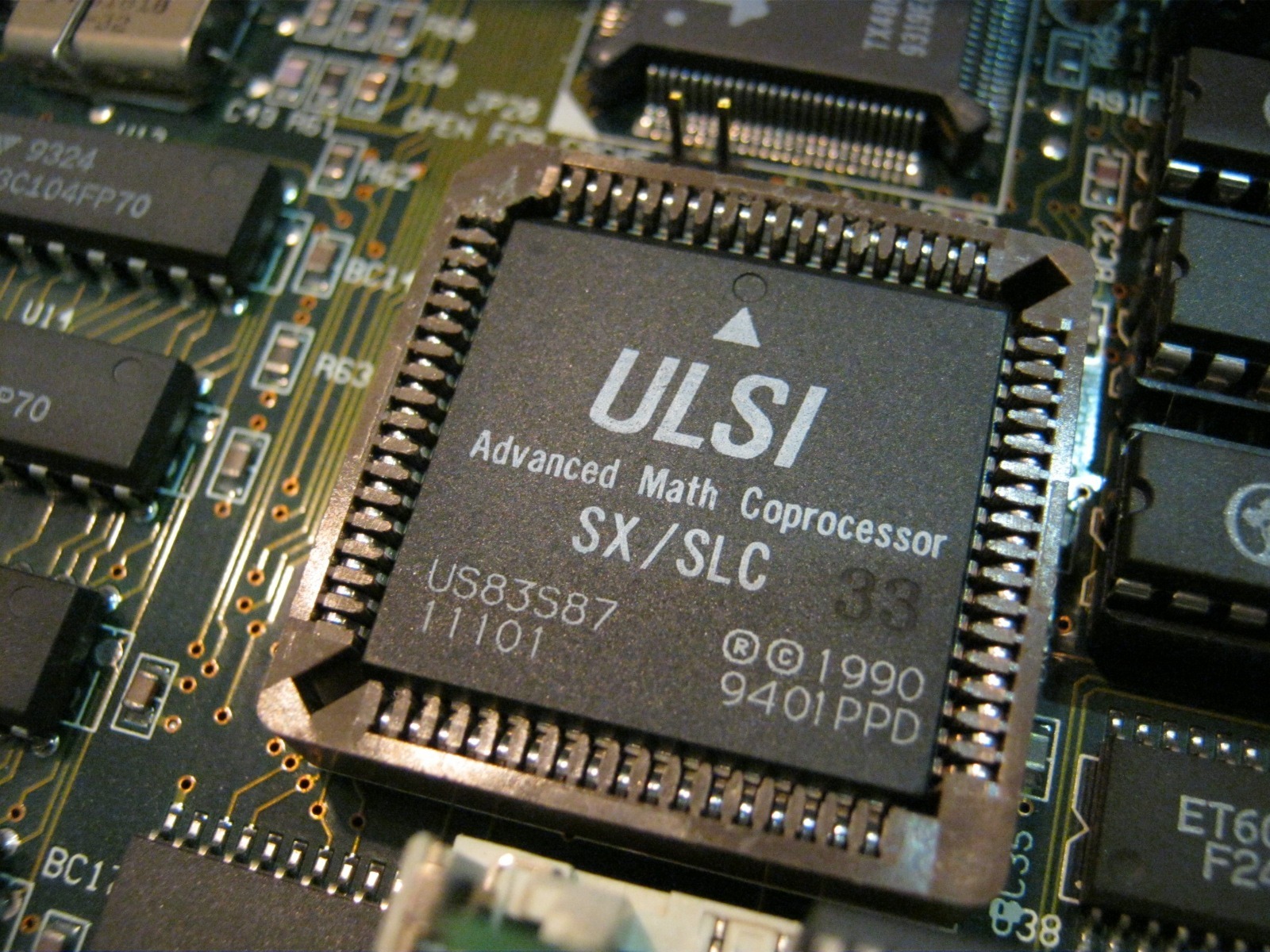
The ULSI US83S87 Advanced Math Coprocessor is intended for 33 MHz SX/SLC systems. This one has a 9401 date code and comes in a 68-pin PLCC package.
387SX-compatible math coprocessors use the sort of external interface expected by 386SX-class systems, and compatible parts were also used with 486SLC machines. Epson’s documentation for a 486SLC-33 system, for example, specifies an 83S87-33 coprocessor. A 387DX-type coprocessor is not a drop-in replacement for a 387SX-compatible part because the interfaces and packages differ.
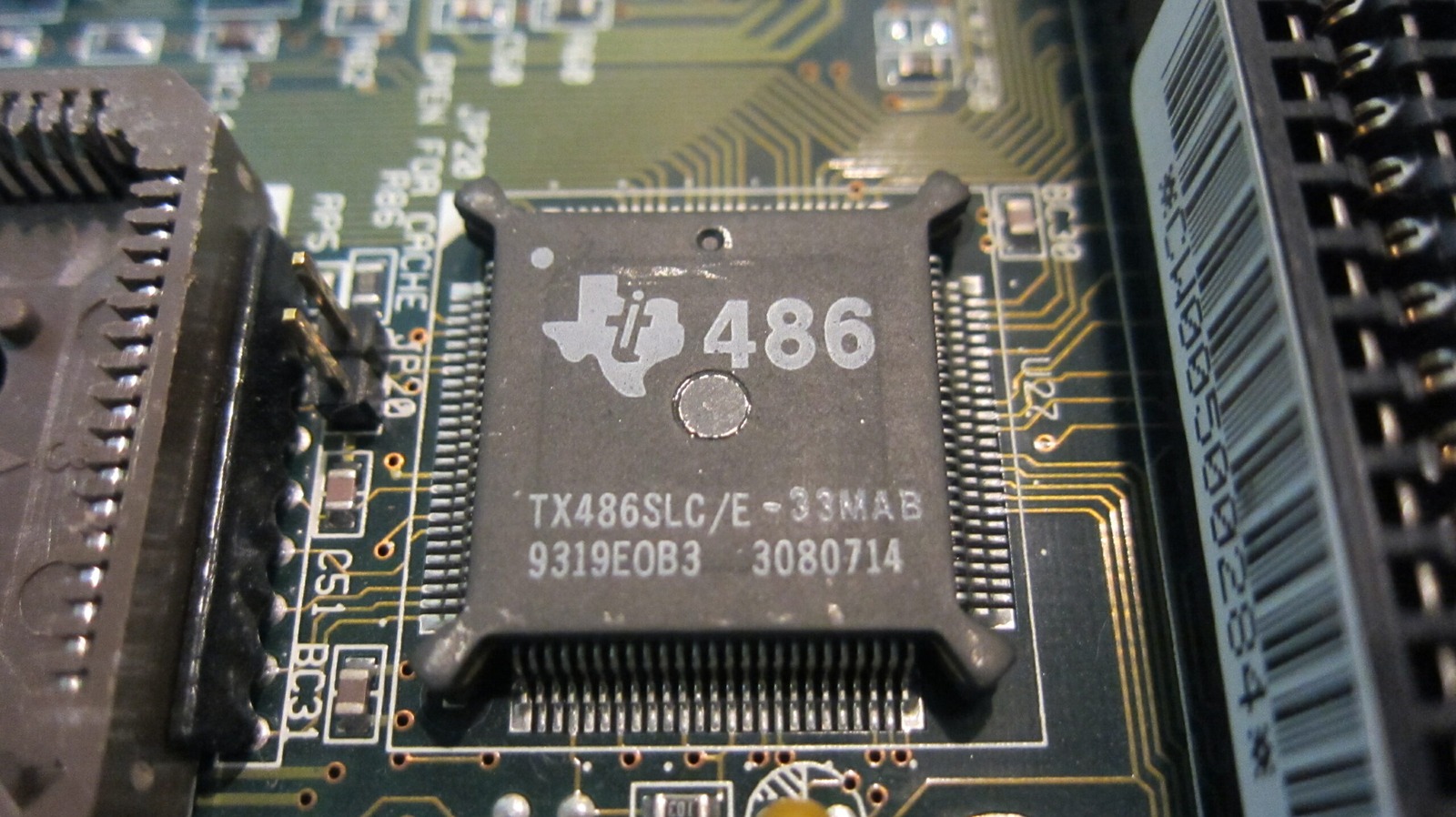
For the original 386SX-based motherboard I went with a ULSI Math Co SX Advanced Math Coprocessor rated at 25 MHz, and it seems to work well. A lower-rated coprocessor may physically fit, but running it in a faster system can clock the part beyond its specified rating. Matching the coprocessor rating to the system clock is the safer approach.
In summary, get one if you can. They are getting rarer as the days tick on by. They were most useful in software that actually performed substantial floating-point work, but I mostly wanted to fill the empty socket anyway!
Related posts
Sources
- Norbert Juffa - Everything You Always Wanted to Know About Math Coprocessors - identifies the ULSI 83S87 family, package types and SX/DX coprocessor distinctions.
- Epson ActionTower 2000 user manual - documents 486SLC systems using clock-matched 83S87 coprocessors.
- DOS Days - Math Coprocessors - background on software that benefited from x87-compatible floating-point hardware.