 Nix McRetro
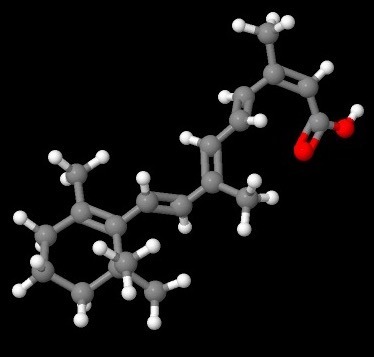
These were notes I made while preparing to start prescription isotretinoin in 2016. The original article was titled Side Effect Prevention and tried to build a supplement stack around potential adverse effects, but I did not have evidence that the supplements below would prevent them. This should not read as a treatment plan for somebody else.
What I was experimenting with
I had gone into full spreadsheet-brain mode before starting treatment. I was already eating salmon every day. According to the label I was using at the time, that gave me:
| EPA | DHA | Total EPA + DHA |
|---|---|---|
| 511 mg | 783 mg | 1294 mg |
The fish-oil capsules I had were labelled with the following quantities. The 2x and 6x columns record my arithmetic:
| Quantity | 1 capsule | 2 capsules | 6 capsules |
|---|---|---|---|
| EPA | 180 mg | 360 mg | 1080 mg |
| DHA | 120 mg | 240 mg | 720 mg |
| Total EPA + DHA | 300 mg | 600 mg | 1800 mg |
I was taking two capsules with each meal, so six per day. By my 2016 arithmetic that gave me 1800 mg from the capsules plus 1294 mg from the salmon, or 3094 mg of EPA + DHA per day.
Why was I doing this? I had found an older study showing that fish-oil supplementation reduced isotretinoin-associated increases in triglycerides and cholesterol in the patients studied. Where I got carried away was jumping from that result to preventing tenderness or stiffness in my bones, joints or muscles. The study did not establish that. I had also borrowed an omega-3 quantity from arthritis guidance, which did not prove that the same amount would prevent isotretinoin joint symptoms either.
My recorded blood results at the time were cholesterol around 3.4 mmol/L and triglycerides around 0.5 mmol/L. Those are part of the historical record of what I was looking at, not evidence that my supplement plan was necessary or safe for somebody else.
Because apparently the fish oil alone was not enough experimenting, I also added 1500 mg glucosamine sulfate (heck, it was on special) and Swisse Ultiboost Hair Skin Nails+, which included milk thistle. I hoped these might reduce joint, hair, nail, skin or liver-related problems, but I do not have evidence that the combination prevented those isotretinoin effects. Supplements can have their own adverse effects and interactions, so the quantities above document what I did in 2016, not a recommended dosing plan.
What the medicine information actually supports
Isotretinoin is a prescription medicine with significant monitoring and safety requirements. Current Australian medicine information says:
- take it exactly as prescribed
- standard isotretinoin capsules should be taken with food
- avoid vitamin A supplements because isotretinoin is related to vitamin A
- do not use it concurrently with tetracycline antibiotics
- do not donate blood during treatment or for at least one month afterwards
The blood-donation restriction is particularly important because isotretinoin is highly teratogenic. Dry skin, lips and other mucosal effects are common enough that the medicine information specifically discusses moisturising those areas. What could possibly go wrong? Nosebleeds, for example, did not sound fun at all.
I had assembled a personal supplement experiment while preparing for treatment, and some of my reasoning was much more confident than the evidence justified.
Sources
- Australian Commission on Safety and Quality in Health Care - Roaccutane
- PubMed - Effect of dietary fish oil on hyperlipidaemia due to isotretinoin and etretinate